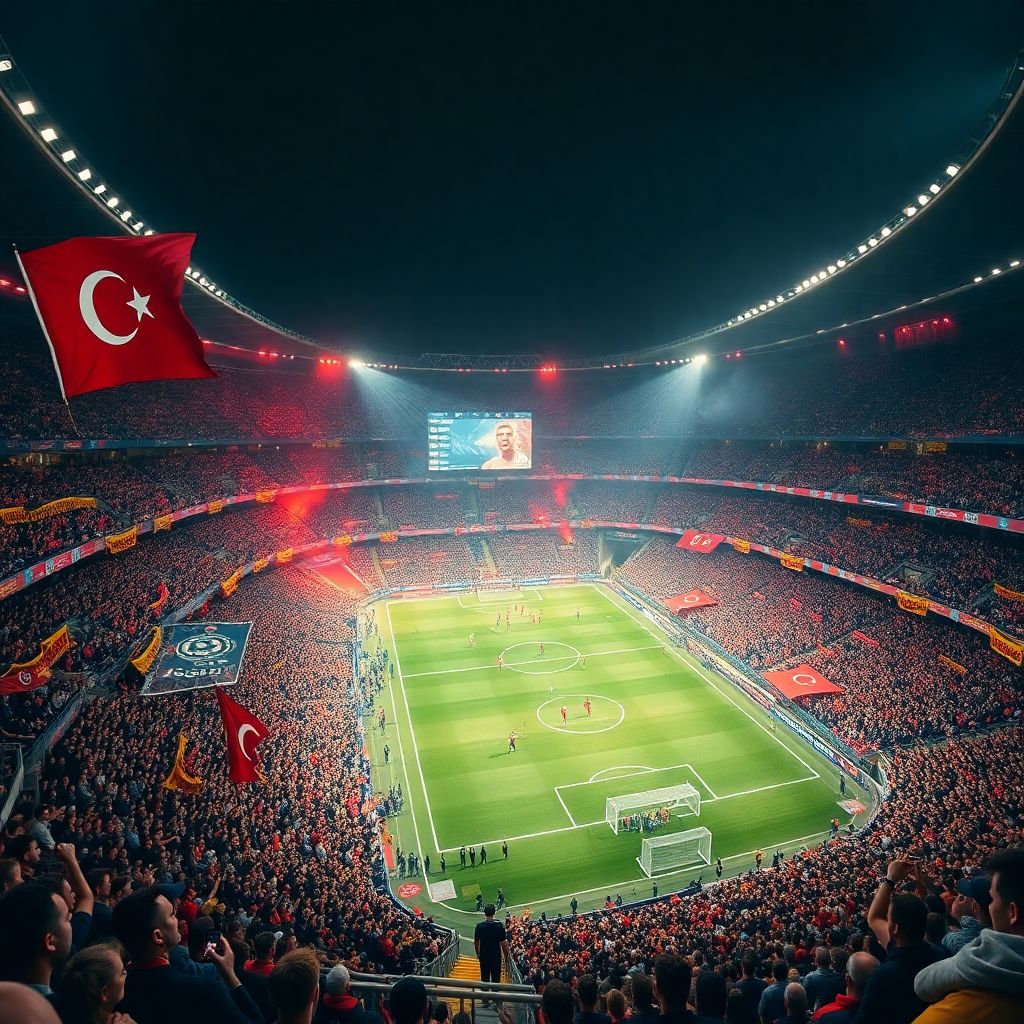
Historical background: how Turkish fan culture became a force
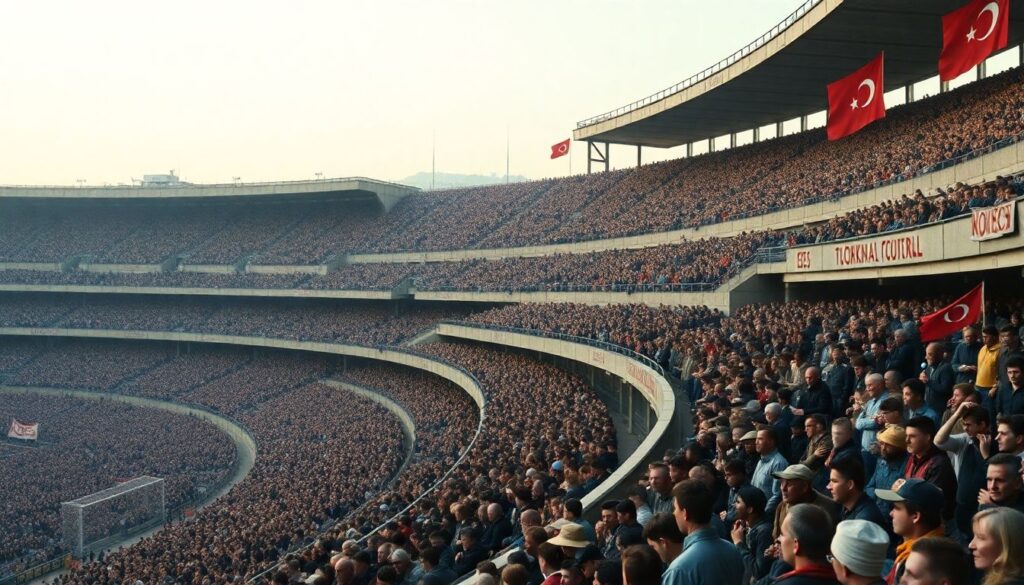
To understand the impact of fan culture and ultras on team performance in Turkey, you have to start with the stadiums of the 1960s and 1970s. Back then crowds were noisy but still relatively local and loosely organized. As Istanbul grew and football became a key part of urban identity, supporter groups around Galatasaray, Fenerbahçe and Beşiktaş started to turn into more structured “tribes”. What we now call football fan culture in Turkey really crystallized in the 1980s and 1990s, when economic and political tensions spilled into the terraces. Groups like UltrAslan (Galatasaray), Çarşı (Beşiktaş) and Genç Fenerbahçeliler brought choreographies, banners, and more systematic chanting, borrowing from Italian and Balkan ultras while adapting everything to Turkish street culture. By the 2000s, improved broadcasting, European competition and social media pushed this subculture into the global spotlight, and by 2026 it’s widely accepted that Turkish ultras influence on team performance is not just folklore, but a measurable phenomenon that coaches and clubs quietly factor into their planning.
Basic principles: what makes Turkish ultras different
At the core of Turkish fan identity lies a fusion of local neighborhood loyalty, political symbolism and almost family-like belonging. Unlike many Western crowds that behave more like event-goers, many Turkish supporters build their week around training sessions, away trips and group meetings. The best Turkish football clubs with passionate fans – chiefly Galatasaray, Fenerbahçe, Beşiktaş, but also Trabzonspor and Bursaspor in their peak eras – rely on this constant presence. Psychologically, the ultras serve three main functions. First, they act as an emotional amplifier, turning routine league matches into high‑pressure events that can lift players’ adrenaline and concentration. Second, they enforce informal norms: players who don’t fight for the shirt get booed or called out in banners, which in turn shapes on‑pitch intensity. Third, they create a “fortress” illusion; visiting teams keep mentioning in interviews that Turkish stadiums feel claustrophobic, loud and unpredictable, which increases anxiety and error rates under pressure.
How fan culture affects performance: mechanisms and examples
If we break it down, the connection between ultras and results in Turkey goes beyond vague talk about “12th man”. You can think of it through several practical channels that coaches and analysts in 2026 quietly admit they monitor:
1. Home advantage modulation. Statistical models on Super Lig data show that home teams with fuller, more vocal sections concede fewer shots after scoring the first goal, suggesting the crowd helps maintain intensity instead of letting the team relax.
2. Referee pressure. Even though VAR reduced some bias, referees in loud Turkish stadiums still show a slightly higher tendency to award marginal fouls to the home side, particularly in the first 20 minutes, when ultras are at peak volume.
3. Player risk‑taking. For attacking players, roaring approval for dribbles and forward passes encourages higher‑risk, higher‑reward decisions, which can break defensive blocks, especially in derbies and title deciders.
4. Momentum control. After conceding, Turkish teams with tightly organized supporter groups tend to regain ball possession quicker. Players often say that chants switching to “never give up” songs right after a setback prevent mental collapse.
5. Squad cohesion. Ultras’ off‑pitch rituals – welcoming buses, visiting training, even confrontational meetings after poor runs – create external pressure that binds squads together, because criticism from outside often strengthens internal solidarity.
Derbies, rituals and concrete case studies
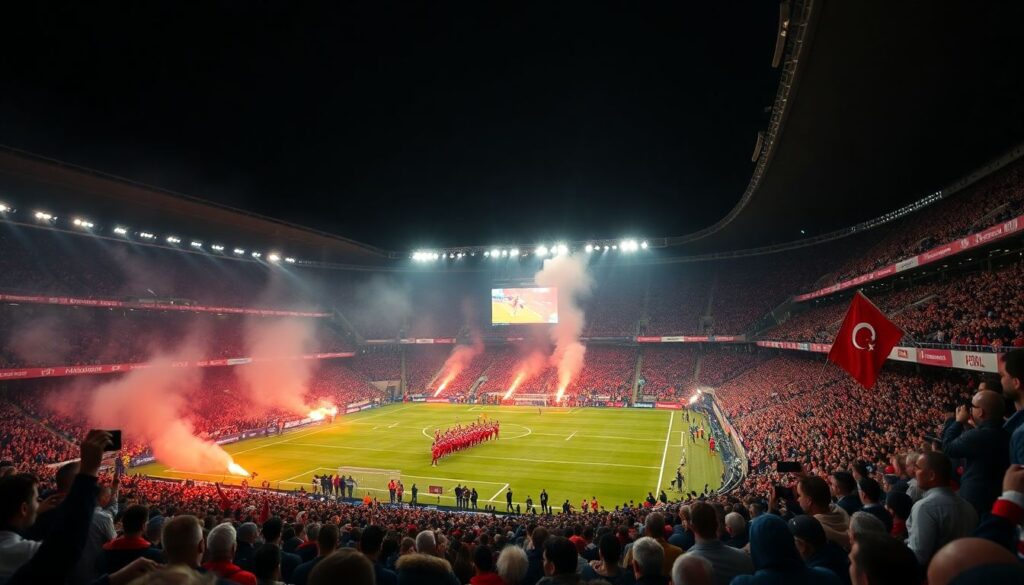
Nothing illustrates this dynamic better than the Istanbul clashes. The Galatasaray Fenerbahce derby atmosphere tickets are regularly marketed worldwide as an “experience” rather than just a match, and there is a reason international fans buy tickets for Turkish football derbies months in advance. Inside the stadium, choreographies, pyro (where allowed) and deafening chants begin well before kickoff, exposing away players to a kind of sensory overload. Over the last couple of decades, both major sides have had seasons when they struggled away yet remained almost unbeatable at home, and players repeatedly point to the psychological lift from the ultras. A similar story plays out in Trabzon, where local identity and a strong sense of regional pride turn the stands into a pressure cooker; visiting teams speak openly about how they adjust game plans – slowing the tempo, feigning calm – purely to cope with the crowd. Even European giants visiting Istanbul have admitted that they changed warm‑up routines and communication methods, because once whistles and drums start, verbal instructions become nearly impossible to hear, forcing squads to rely more on pre‑planned signals and patterns.
Economic and strategic dimensions of fan culture
By 2026, clubs have stopped treating ultras purely as a “problem” or a “decoration” and begun to see them as a strategic variable. Strong fan culture boosts season ticket sales, merchandise and international visibility, which in turn feeds transfer budgets and infrastructure upgrades. The global curiosity around football fan culture in Turkey means that foreign supporters and tourists increasingly plan trips around big fixtures, especially in Istanbul, and attempt to buy tickets for Turkish football derbies not just for the football quality but for the spectacle. This revenue side feeds back into sporting performance: investment in better training centers, analytics staff and deeper squads is partly justified to sponsors and boards by the global brand power of intense stands. At the same time, clubs must constantly negotiate boundaries with ultras – what is acceptable protest, what crosses into violence or political risk – because sanctions, partial stadium closures and fines can wipe out part of that economic advantage and even neutralize the home edge for key matches.
Common misconceptions and uncomfortable truths
There are several persistent myths about Turkish supporters that oversimplify reality. One widespread belief is that louder ultras automatically guarantee victories. In practice, overstimulation can backfire: young or recently transferred players sometimes tense up in their first big Istanbul game, misplacing passes and avoiding responsibility precisely because the stakes feel overwhelming. Another cliché claims that fan groups care only about chaos, but many organized Turkish groups spend significant time coordinating banners, legal support, and charity actions, trying to protect the club’s long‑term interests as they see them. A third misconception is that more hostility towards opponents means more impact; in reality, extreme aggression can distract the home side, lead to stoppages, and expose the club to disciplinary action that damages competitiveness. Finally, people outside the country often imagine a single homogeneous “Turkish ultras” archetype, but regional cultures, political leanings, and club histories produce very different styles – from the more politically expressive Çarşı to more strictly football‑focused groups elsewhere. Recognizing this diversity is key to understanding how, when, and why Turkish ultras influence on team performance is powerful, and when it turns into a double‑edged sword.