“I Nearly Went Blind”: Ilia Topuria Opens Up About the Aftermath of His Loss to Justin Gaethje
Former UFC lightweight champion Ilia Topuria has described the emotional and physical toll of his defeat to Justin Gaethje, recalling how he kept his family out of his room in the hours after the fight.
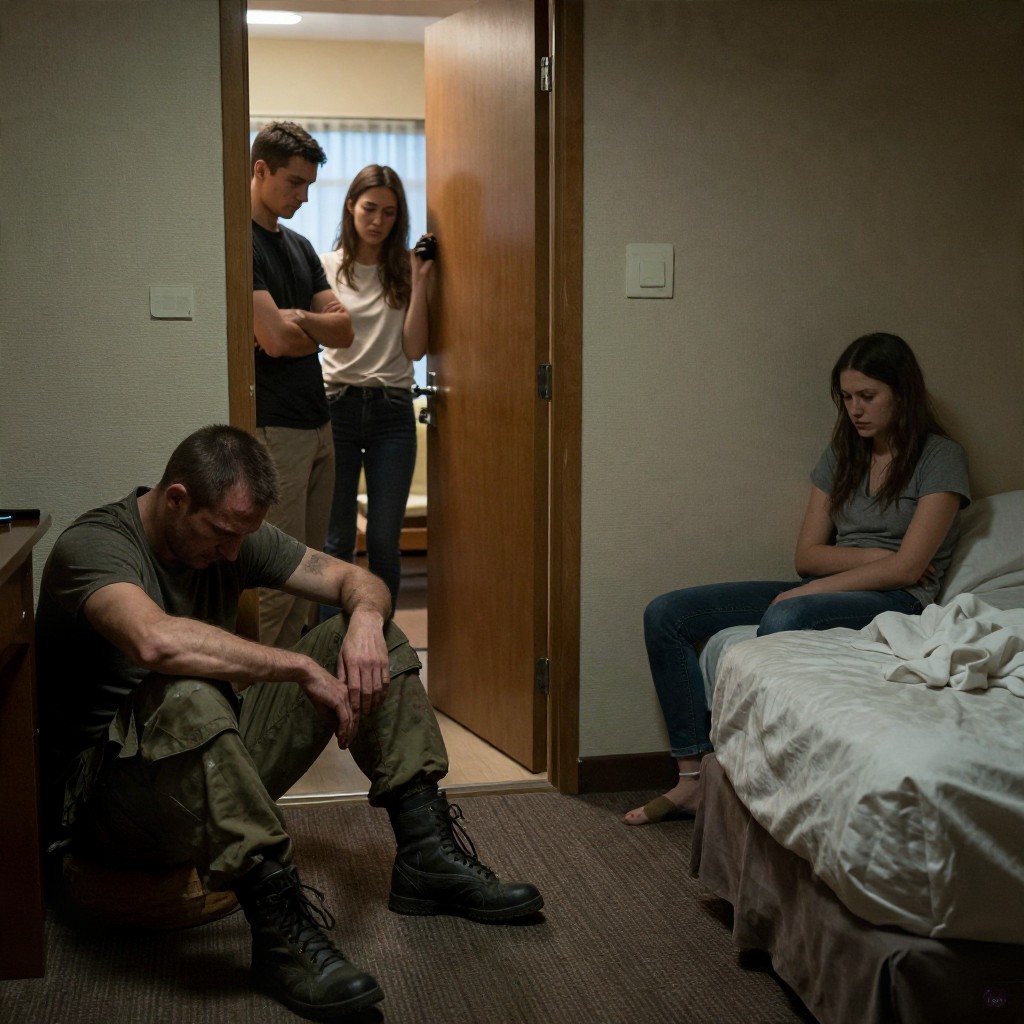
Topuria said the morning after the bout was especially difficult. His parents were nearby, but at first he would not let anyone come in. He did not want his mother to see him in that condition and told everyone he needed to rest. Eventually, his team explained that his family was worried and wanted to check on him. Topuria then agreed to let them enter.
He said he tried to lighten the mood once they were together. The people around him seemed deeply concerned, and he could sense that some were close to tears. Topuria made jokes in an effort to ease the tension, explaining that he did not want his family to see him looking devastated or crying.
The fighter also said that, despite how painful the experience was, he did not feel overwhelmed by sadness. He described the loss as something that had happened and was now in the past. In his view, there was little point in pretending it had not taken place or remaining caught up in it.
Topuria’s account also highlighted the severity of the physical distress he experienced during the contest. He recalled being in front of the President of the United States, with a large crowd around him and millions more watching through cameras. Amid that attention, he said, the pain became so intense that he struggled to breathe and was “nearly blind.”
He called the experience strange, but said he was glad he had gone through it. The fight, he explained, reminded him that life continues regardless of how hard a person is hit by circumstances. That lesson, he suggested, mattered beyond the result of a single bout.
A difficult moment beyond the final result
A defeat is often reduced to a score or a headline, but Topuria’s recollection describes what can happen after the lights go down. For a fighter, the immediate aftermath may involve exhaustion, pain and the need for privacy, alongside the emotional pressure of knowing that family members are waiting nearby.
His decision to ask for time alone was not a rejection of his parents. As he explained it, he was trying to spare his mother the sight of him in a vulnerable state. The moment also shows how a fighter’s instinct to protect loved ones can remain strong even when the fighter himself is the one in need of support.
Topuria eventually allowed his family into the room after hearing how concerned they were. That change suggests that support does not always mean demanding immediate conversation. Sometimes it begins with giving someone space, then making clear that help and company are available when they are ready.
The way he used humour also offered a glimpse into how people may respond differently to distress. Topuria said he tried to make those around him laugh because the mood had become so serious. Humour did not erase the pain, but it gave the family a way to share the moment without allowing worry to dominate every interaction.
His remarks about not feeling crushed by sadness should not be taken to mean that a loss is insignificant. Rather, Topuria framed the result as something he had accepted. In high-pressure sport, that distinction can matter: acknowledging what happened is different from letting one setback define an entire career.
Pain, recovery and perspective
Topuria’s description of struggling to breathe and nearly losing his sight conveys how intense the physical experience felt to him. It also underlines why recovery after a fight is important. Severe pain or changes in vision should be taken seriously, and athletes experiencing such symptoms need appropriate medical attention rather than relying on toughness alone.
The public nature of the contest added another layer to the experience. Topuria was competing in front of a prominent audience, with cameras capturing the event and a vast number of viewers following it. That visibility can make a difficult moment feel even more exposed, particularly when a fighter is accustomed to being seen as confident and composed.
Still, Topuria’s reflection was not solely about the immediate hardship. He said he valued the experience because it taught him that life goes on, even after a painful setback. The lesson does not make defeat easy, but it can help put the result in perspective and provide a starting point for moving forward.
For athletes, a loss may lead to a period of reassessment: reviewing what happened, recovering physically and deciding what comes next. Topuria did not describe those future decisions in his account, but his comments made clear that he was not treating the defeat as the end of his story. His focus was on accepting the moment and continuing beyond it.
By speaking about his family, his pain and his response to the loss, Topuria presented a side of competition that rarely appears in a result summary. Behind the public spectacle, he said, was a difficult personal experience-and the conviction that even the hardest moments do not stop life from moving forward.