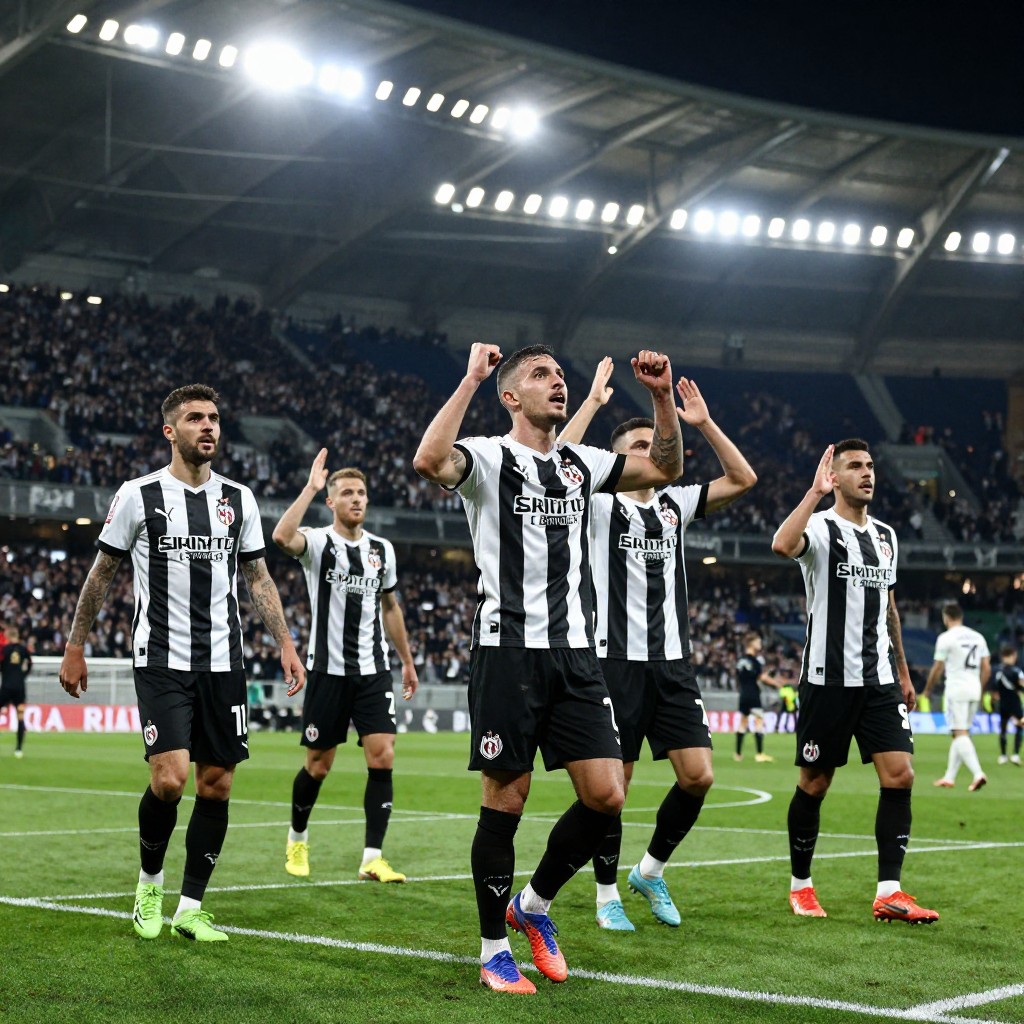
Writers’ Reactions to the Trabzonspor-Beşiktaş Derby
Trabzonspor beat Beşiktaş 2-0 in the eighth round of the Trendyol Süper Lig, earning a home victory through a disciplined defensive display and well-timed attacks. The result reflected a match in which Beşiktaş had spells of pressure and several clear chances, but Trabzonspor proved more effective when opportunities opened up.
The post-match analysis focused on the contrast between the teams’ approaches. Trabzonspor were willing to concede possession, protect their own half and wait for openings, while Beşiktaş struggled to turn its spells with the ball into a steady flow of dangerous attacks.
Cem Dizdar noted that Trabzonspor, under Thomas Reis, have moved away somewhat from a possession-first style. In the first half, the team appeared ready to exploit mistakes in Beşiktaş’s build-up rather than dominate the ball. Dizdar highlighted the combination between Ernest Muçi and Aral Şimşir as an important part of that plan, saying their link-up helped produce a goal and created further danger.
After the break, Trabzonspor became even more cautious, drawing back into a compact defensive shape and looking for chances to counter. As the home side crowded its own half, Beşiktaş found it increasingly difficult to make the most of the space in front of goal. Dizdar pointed to a Leandro Trossard attempt around the 70th minute as a moment after which Trabzonspor found the opening it had been waiting for. Earlier, Murillo had hit the post; this time, the chance ended with Salah scoring.
Uğur Meleke observed that Beşiktaş did create opportunities at several stages: during the opening 15 minutes, near the end of the first half and early in the second. Yet the visitors lacked some of the fluidity they have shown elsewhere this season. Meleke suggested that the side seemed to miss Orkun and raised the possibility of a tactical adjustment in midfield.
He also questioned whether Trossard and Miretti might have been more effective in different roles. Moving Trossard into a central position and Miretti out to the left, Meleke argued, could have helped Beşiktaş connect its lines more effectively. The idea reflected a wider concern: the team’s attacks did not consistently link midfield play with the forwards.
Güntekin Onay focused on Beşiktaş’s defensive structure, asking whether Emirhan and Agbadou are suited to defending large spaces as central defenders. Although Beşiktaş conceded twice, goalkeeper Nübel made three or four important saves, all against chances created on the counterattack. That pattern underlined the risk of leaving space behind the defence when pushing players forward.
Onay concluded that Beşiktaş had fallen into the type of match Thomas Reis wanted. Trabzonspor allowed the visitors to have the ball, defended deep and then attacked the space left open. Rather than trying to control the game through possession, the home side made its defensive organisation the foundation of its performance.
The result also showed why possession statistics alone do not always determine the outcome of a derby. Beşiktaş had promising passages and found ways to reach scoring positions, but its attacks lacked the sharpness needed to convert pressure into goals. Trabzonspor, by contrast, were more composed when their chances arrived.
For Thomas Reis, the victory offered evidence that his team can be effective without relying on extended spells of possession. A compact shape, patience and quick transitions gave Trabzonspor a clear route to goal. The challenge will be to maintain that balance in future fixtures, particularly against opponents who are more reluctant to commit players forward.
Beşiktaş will have to examine both ends of the pitch. The missed chances and the difficulties in breaking down a crowded defence were significant, while the counterattacking goals conceded point to questions about defensive cover and the amount of space left open. Adjustments in midfield and better coordination between the lines may help address those issues.
Ultimately, the derby was decided by the difference between creating chances and using them. Beşiktaş threatened at several points but could not sustain its attacking rhythm. Trabzonspor were content to defend, stayed alert to openings and made their opportunities count in a 2-0 win.