
Why Turkish grassroots football matters more than ever
Grassroots football in Turkey is not just kids kicking a ball around dusty pitches. It’s the living pipeline that feeds the Süper Lig with talent, attitude and local identity. From tiny neighborhood cages in Istanbul to village fields in Anatolia, today’s street players are tomorrow’s derby heroes. In 2026, with more investment, social media exposure and better coaching, the gap between “amateur kickabout” and “pro pathway” is getting smaller. But it still takes structure, patience and smart choices: where you play, who trains you, how early you enter an academy system, and how you handle school, family and pressure along the way.
Step 1: From street games to your first organized team
Everything usually starts with unstructured street football: no tactics, no GPS vests, just instincts. That chaos actually builds creativity, quick decision‑making and toughness, which Turkish coaches value a lot. The first real step, though, is joining a local amateur club, a school team, or even a community sports center. That’s where you learn positions, simple systems and basic discipline. A typical route: you’re the best kid on the block, a PE teacher or local coach notices you, invites you to training, and suddenly you’re playing weekend leagues instead of just parking‑lot tournaments with friends.
Common beginners’ mistakes at this stage
Many talented kids stall here because they think “being the best in the neighborhood” is enough. They skip training, don’t listen to coaches, or play only with older friends instead of learning basics properly. Some parents push too early for turkish football academy trials without checking if the child actually enjoys regular, structured work. Others do the opposite: they fear injury or bad grades and limit football to once a week, which kills development. The key is balance: take local training seriously, but don’t obsess about contracts and scouts before you can even control a pass under pressure.
Step 2: Finding the right academy environment
Once you’ve outgrown the casual local level, the question becomes: how to join turkish football clubs youth academy without getting lost in hype and false promises? Serious clubs look for technical base, attitude and “coachability,” not just viral clips. True academies focus on physical testing, tactical understanding and long‑term development, often starting from age 8–10. In Istanbul, Izmir, Ankara and Bursa, competition for spots is fierce, but that’s healthy: it forces kids to raise their standards, not just rely on raw talent. When the environment is right, you feel both challenged and supported, not simply shouted at.
How to choose a real academy and avoid traps
Not every place that calls itself an “academy” is worth your time or money. Some are just businesses selling kits and dreams. Before signing anything, ask about coaching licenses, links to pro clubs, and age‑group leagues they actually play in. Talk to older players and parents: do kids improve, or just repeat the same drills all year? Serious setups often have connections with professional football scouts in turkey, regular internal evaluations and clear communication about strengths and weaknesses. If everything is about “pay this fee and we guarantee a European trial,” walk away. No one can promise that ethically.
Red flags to watch out for
– Cash demands for “guaranteed selection” or “direct line to Süper Lig clubs”
– Coaches who insult kids, ignore injuries or don’t warm up properly
– No official league games, only “showcase tournaments” with extra fees
– Pressure to skip school constantly “because football is all you need”
Step 3: Big-city hubs – Istanbul and beyond
If we talk about serious talent magnets, Istanbul still dominates. The best football academies in istanbul for kids are tied to historic Süper Lig clubs plus a few strong private setups with modern facilities. But in 2026 the map is changing: Trabzon, Konya, Antalya and Gaziantep are investing heavily in youth infrastructure. That means you don’t necessarily have to move to Istanbul at 12 to have a shot. Still, major derbies and youth tournaments in the city remain huge scouting events. A strong showing there can fast‑track a call from a bigger club’s youth director or regional coordinator.
How the environment shapes playing style
Urban cages and tight concrete pitches breed quick thinking, close control and aggression. Coastal cities often add a bit more flair and risk‑taking, while Anatolian regions produce physically tough, disciplined players used to difficult conditions. Süper Lig clubs increasingly try to mix these profiles in their academies: a street‑smart dribbler from Kadıköy, a tireless midfielder from Konya, a brave center‑back from the Black Sea. Understanding where you come from and what that gives you is a hidden superpower. Instead of copying a European star blindly, build on the strengths your local football culture gave you.
Step 4: Trials, scouts and making yourself visible
At some point, if you’re good enough, you’ll face trials. Official turkish football academy trials can look intimidating: dozens or hundreds of kids, clipboards, whistles, coaches filming everything. Remember that staff mainly watch decision‑making, movement without the ball and attitude when you lose possession. You don’t need to dribble everyone; you need to show you understand the game. Visibility also comes from regional leagues, school tournaments and federation competitions. In 2026, match footage on platforms like YouTube or shared with coaches privately can help, but only if it reflects real competition, not staged highlight reels.
Smart ways to stand out (without showboating)
– Communicate constantly: talk, organize, encourage teammates
– React after mistakes: sprint back, win the ball, don’t complain
– Keep it simple under pressure: two touches, good angles, head up
– Show adaptability: play different roles if the coach asks
Step 5: How scouts actually work in Turkey
There’s a lot of myth about talent spotting. In reality, professional football scouts in turkey operate on networks and trust. They attend youth games, regional tournaments and federation events with long lists of players to monitor, not just to discover “the next big thing” randomly. They tend to follow kids for months, sometimes years, checking consistency, behavior with parents, even body language on the bench. In 2026 data analysts also play a role: GPS stats, physical test results, and video reports matter, but they’re supporting tools. If your mentality isn’t right, no spreadsheet will save your chances.
What turns scouts off instantly
– Arguing with referees or teammates at every call
– Blaming others instead of owning mistakes
– Obvious fitness issues from poor lifestyle choices
– Parents yelling instructions constantly from the stands
Step 6: From youth contract to Süper Lig debut

Landing a youth contract is not the finish line, it’s the start of a harder journey. The jump from U17 or U19 to the Süper Lig is brutal: pace, physicality, media pressure, and tactical complexity go through the roof. Many players first go on loan to 1. Lig or 2. Lig to get minutes. In 2026, more clubs use B teams and reserve leagues to bridge that gap. The success stories you see on TV usually include years of quiet work in gym sessions, tactical meetings and away trips on rough pitches before stepping into a packed stadium for the first time.
How grassroots habits help at pro level
The resilience you built on bad pitches, with borrowed boots and mismatched balls, becomes your mental armor. Street footballers are used to solving problems creatively: weird bounces, cramped spaces, older opponents. Coaches in the Süper Lig often say they can “feel” a player who grew up in real games, not just perfect training facilities. That inner drive helps you face new challenges: substitute appearances, criticism on social media, and the constant fear of losing your spot. Ironically, the more polished the environment becomes, the more valuable those rough beginnings are.
Step 7: Fans, stadiums and the money cycle
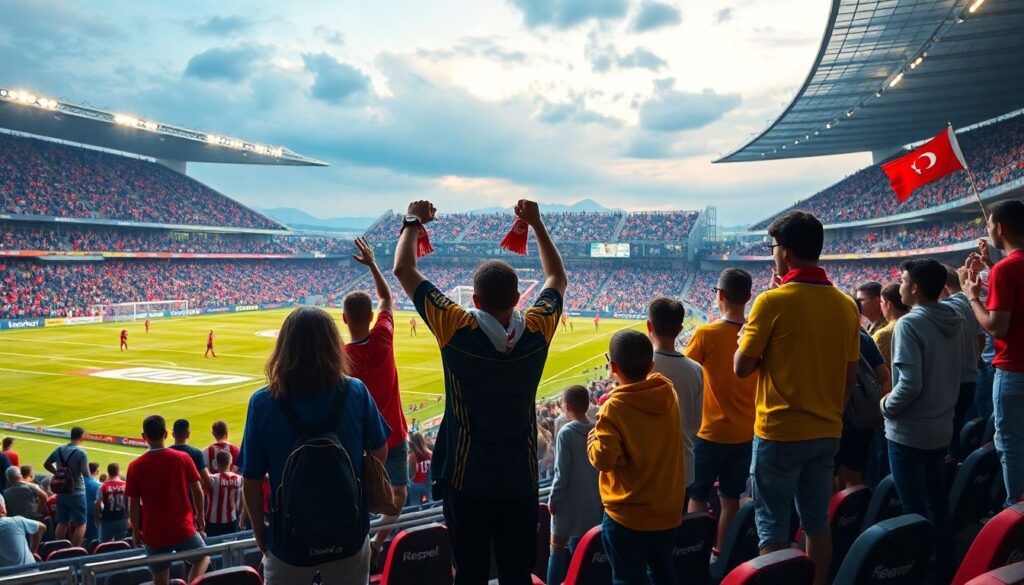
Grassroots football doesn’t just send players upwards; it also feeds passion back into the stands. Kids who once chased autographs now fill ultras sections, buy shirts and drag friends to games. Easy access to turkey super lig tickets online in 2026 helps: families can plan trips, youth teams go to matches together, and seeing a live game becomes part of football education. The money fans spend returns (when used well) to academies, facilities and regional programs. That’s how a real ecosystem works: players, supporters and clubs constantly fueling one another.
For beginners: simple habits that make a big difference
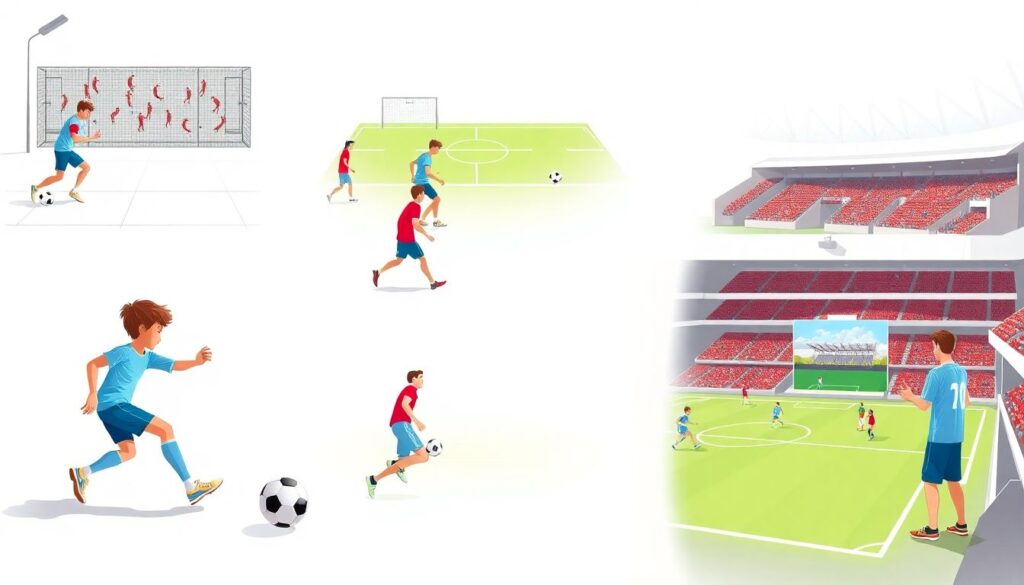
– Play as often as you can, but vary formats: street, futsal, 7‑a‑side, 11‑a‑side
– Watch full games, not just highlights, to learn positioning and tempo
– Combine football with basic strength, flexibility and injury‑prevention work
– Respect coaches and teammates; good reputation travels faster than you think
2026–2035: where Turkish grassroots football is heading
Looking ahead, the next decade in Turkey will likely bring even more structured grassroots systems, digital scouting and international cooperation. Regional training centers are expanding, women’s and mixed‑gender programs are growing fast, and clubs are partnering with schools to keep kids in education longer. Expect more data‑driven coaching but also renewed love for the “street player” who can decide a game on his own. If these two worlds blend properly—analytics and asphalt, labs and local cages—Süper Lig clubs could rely less on expensive foreign transfers and more on homegrown stars shaped from streets to stadiums.