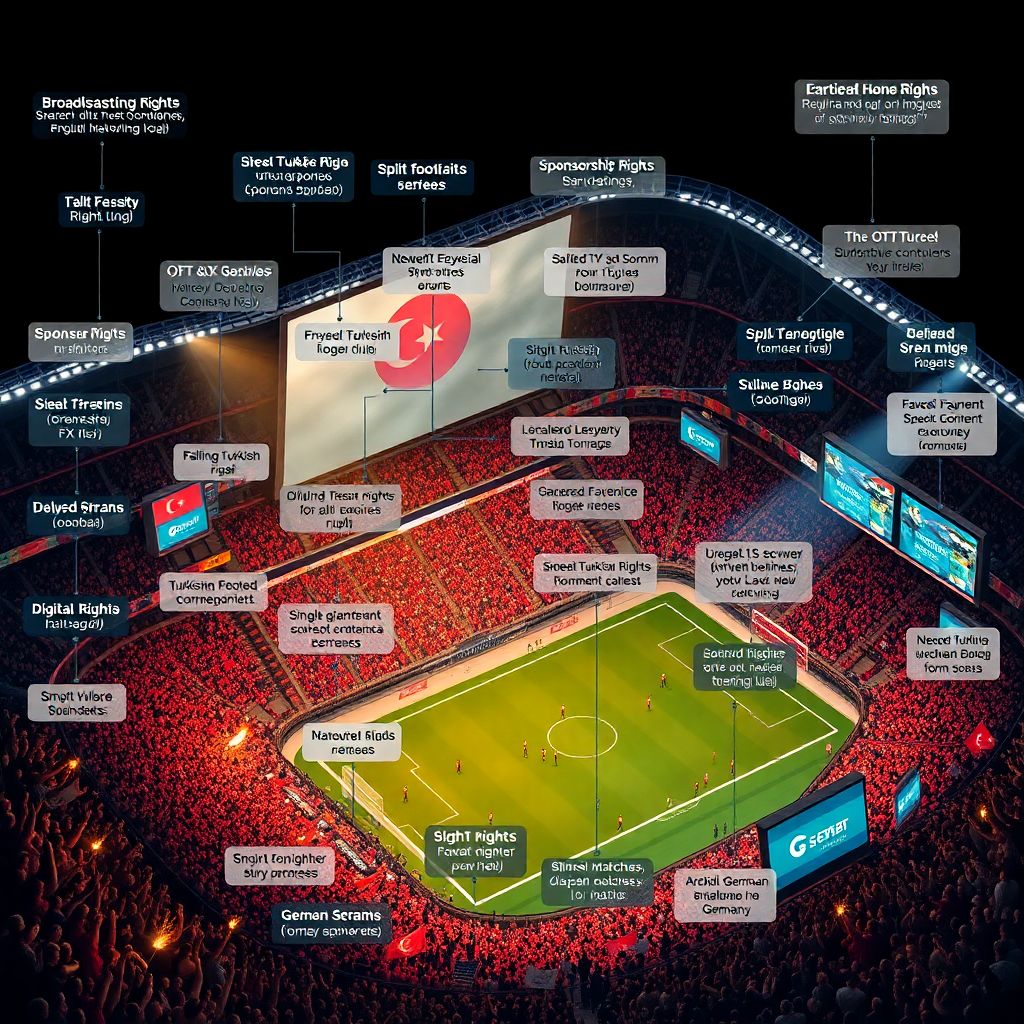
Why the money side of Turkish football is more chaotic than match day
You see the full stadium, you hear the chants, and it’s easy to think: “Clubs must be swimming in cash.” In reality, the business side of Turkish football is closer to a permanent fire drill. Broadcasting rights get renegotiated, sponsors change last minute, and digital strategy is often an afterthought.
If you want to work, consult, or invest in this space, you need to understand not just where the money comes from, but also where it regularly goes missing.
—
Broadcasting rights: the unstable backbone of Turkish clubs
How the TV money really flows (and why it’s never enough)
The core of the Turkish football broadcasting rights market is the central sale of league media rights, mainly for the Süper Lig. Historically, one big broadcaster took almost everything: live games, highlights, OTT, sometimes even international rights. That brought scale, but also created a single point of failure: when that one broadcaster struggled, everyone suffered.
In Turkey, many club budgets assume “TV money will solve it.” That’s the first rookie mistake. TV income is volatile: devaluation of the lira, renegotiated contracts, unpaid installments, and legal disputes regularly hit cash flow. On paper, a rights package can look huge; in practice, the real, inflation-adjusted value can shrink mid‑season.
Real case: why over-relying on TV money backfires
Several Süper Lig clubs built wage bills as if broadcasting revenue was guaranteed, in euros. Then:
1. The lira dropped.
2. The broadcaster pushed for discounts citing economic conditions.
3. Some payments were delayed.
Result: clubs paid salaries in foreign currency, while TV money arrived late and worth less. To close the gap, they sold key players under pressure, often below market value. That’s the hidden cost of misunderstanding media rights risk.
A simple risk rule that most beginners ignore: if more than 50% of your planned cash flow depends on a single broadcaster contract in a fragile currency, you’re not running a club, you’re running a lottery.
Non‑obvious solutions clubs started using
Stronger clubs and smarter smaller ones began to de‑risk:
– Indexing contracts internally: Some clubs now model their budgets in euros or dollars, not lira, even if the TV deal is nominally in lira. It doesn’t change reality, but forces management to see currency risk early.
– Scenario budgeting: Instead of a single revenue forecast, finance teams work with three scenarios: base TV income, minus 10%, minus 25%. Transfer plans and salary offers are tied to the conservative scenario only.
– Micro‑rights packaging: A few clubs realised they could carve out content not covered by the central deal (behind‑the‑scenes, training, non‑match shows) and sell or monetize these assets separately on digital.
These are not glamorous tricks, but they turn a wildly unstable income stream into something at least manageable.
—
Streaming, international reach, and the digital rights puzzle
From satellite dishes to apps: who owns what?
The real battleground now is not just who shows live games on TV, but who owns Turkey football digital media rights across OTT, clips, and social platforms. Contracts have become more layered: one entity might hold domestic broadcast rights, another might license international streaming, while short‑form content lives under a separate deal with a tech or media platform.
This complexity creates opportunities for those who can read the fine print — and nasty surprises for those who don’t. Rookie executives often assume “digital is included” in the TV contract or, worse, give away digital rights for peanuts just to get visibility.
Super Lig streaming platforms and TV rights: what people miss
When talking about Super Lig streaming platforms and TV rights, most newcomers focus only on who shows the live 90 minutes. But serious money increasingly hides in:
– Real‑time data and stats feeds
– Archive usage (classic matches, player documentaries)
– Short‑form highlights optimized for TikTok, Instagram, YouTube
– Language‑specific feeds for diaspora audiences
Clubs that negotiated carve‑outs here can launch their own subscription products or premium content bundles, especially for fans abroad. Those that signed everything away in old blanket contracts are now stuck watching others monetize their own history.
—
Sponsorships: more than a logo on a shirt
Why classic sponsorship packages are losing value
The old model of Turkish Super Lig sponsorship deals was simple: put a brand on the shirt, training kit, stadium board, maybe some hospitality, and send an annual invoice. That still exists, but advertisers today expect:
– Data: who saw the brand, where, for how long
– Lead generation: sign‑ups, app installs, sales
– Digital storytelling: content that actually gets watched
Beginners in club marketing often over‑promise (“we’ll reach millions, we’re a big club”) and under‑deliver on measurables. That’s another common error: pitching emotion, selling “passion,” but forgetting measurable outcomes.
Real cases: hidden gold in second‑tier inventory
One Süper Lig club couldn’t secure a top‑tier front‑of‑shirt sponsor at their asking price. Instead of caving, they re‑structured inventory:
– Split sleeve sponsor into domestic and international digital exposure.
– Sold warm‑up bib branding specifically for TV warm‑up windows.
– Added branded mixed‑zone interview backdrops only for prime‑time games.
By slicing the product this way, they onboarded three mid‑range partners instead of a single “hero” sponsor and ended up above their original target. Non‑obvious insight: in a league where global exposure fluctuates, diversified mid‑sized partnerships can be safer than chasing one “whale” sponsor.
—
Digital growth: from follower counts to actual revenue
Why “we have millions of followers” means almost nothing
Many Turkish clubs love to boast about follower numbers. It feels good on slides. But if those followers don’t watch long‑form content, don’t click, and don’t buy, they are a vanity metric.
Newcomers in digital often fall into three traps:
1. Content for the algorithm, not the business: Short viral jokes with no link to ticketing, e‑commerce, or partner visibility.
2. Duplicating content across platforms: Same video everywhere, ignoring that YouTube, Instagram, and TikTok reward different formats and behaviours.
3. No owned audience: Relying entirely on social platforms and neglecting email, apps, and loyalty programs where you actually own the data.
This is where Turkey is still catching up with leading European clubs, which have already turned content into a direct sales machine.
Alternative methods of monetizing digital
When everyone is chasing sponsorship and ad revenue, the more sophisticated clubs experiment with:
– Membership tiers: Paid digital memberships with exclusive content, early access to tickets, and meet‑and‑greets.
– Localized content for expatriates: Turkish‑language content for domestic fans, but English, German, or Arabic commentary and overlays for diaspora audiences willing to pay more for access.
– Co‑created content with sponsors: Rather than slapping logos onto videos, clubs co‑produce series with brands (e.g., “inside the academy” powered by a telecom company) sharing production costs and upside.
These alternatives may start small but create recurring revenue independent of league‑level deals.
—
Investment perspective: how to enter the game without burning cash
How to invest in Turkish football clubs without romantic illusions
If you’re wondering how to invest in Turkish football clubs, you must accept a hard truth: many are not companies in the classic sense; they’re social and political institutions with football attached. That doesn’t make them un‑investable, but it changes your strategy.
Common beginner errors:
– Treating a club like a stock: Buying shares and hoping for appreciation, without influence over governance or spending.
– Ignoring political risk: Municipal support, public land use, and federation decisions can dramatically swing a club’s finances.
– Over‑valuing the badge: Paying a “brand tax” just because the club is popular, while its balance sheet is a mess.
Smarter investors look for specific entry points instead of full club takeovers:
1. Project‑based partnerships: Stadium naming rights, academy funding, or facility upgrades, tied to clear KPIs and revenue‑sharing.
2. Digital joint ventures: Co‑owned OTT platforms, e‑commerce operations, or content studios where the club brings brand and IP, and the partner brings tech and capital.
3. Player‑development pipelines: Structured agreements with clubs around academy investment and sell‑on mechanisms, with strict governance around scouting and data.
This way, you gain exposure to upside (talent development, digital growth) without inheriting every historical liability.
—
Real‑world hacks for professionals working with Turkish clubs
Lifestyle “tricks” that actually move the numbers
The word “лайфхак” sounds like something from productivity blogs, but in Turkish football business, practical hacks really matter. A few that seasoned operators use:
1. Contract translation double‑check
Always compare the Turkish and English versions of media and sponsorship contracts line by line. Subtle wording differences, especially around “global rights,” “non‑exclusive,” and “derivative content,” can decide who controls future digital formats.
2. Index key deals to inflation and FX where possible
Whenever you can, peg long‑term income (naming rights, premium sponsorships, digital subscriptions) to either CPI or a hard currency. This partially protects you when TV money crashes in real terms.
3. Build your own data layer early
Don’t wait for a league‑wide CRM solution. Start collecting first‑party data via your ticketing, app, Wi‑Fi, and merch. Later, this data lets you negotiate better partnership terms and launch your own products independent of the league.
4. Negotiate content windows, not just rights
When dealing with broadcasters or platforms, push for specific windows where you can use footage on your channels (e.g., 2‑minute highlights on club platforms after X hours). This is critical to building your own digital audience.
5. Separate “political” sponsors from commercial ones
In Turkey, some sponsors are there for political or relationship reasons, others for pure ROI. Don’t mix them in your reporting. Manage each group with a tailored strategy so serious commercial sponsors don’t feel you’re playing by unclear rules.
—
Common rookie mistakes you want to avoid
The fastest ways to waste time and money
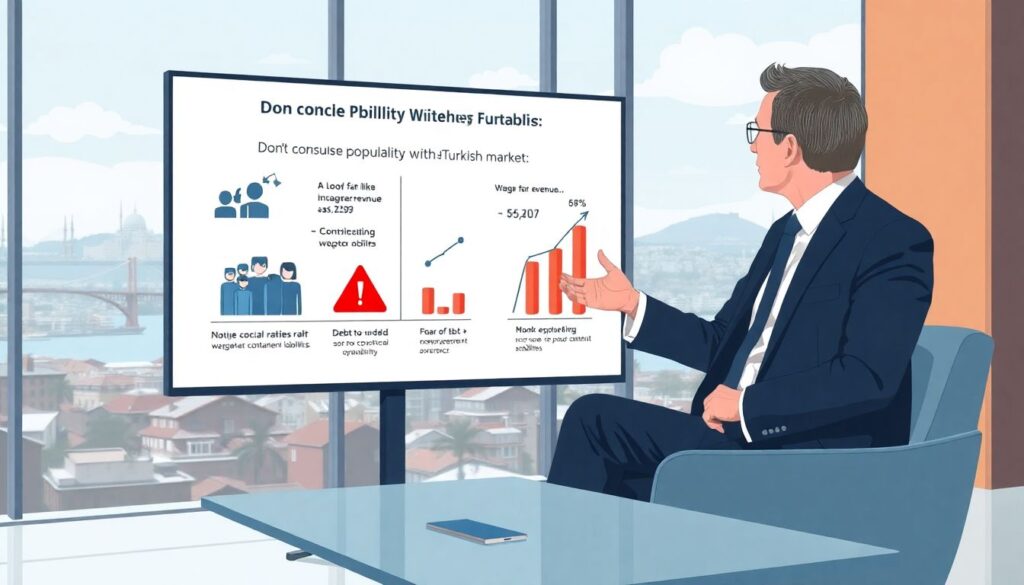
To wrap it up, here are the patterns that repeatedly hurt newcomers to the Turkish market:
1. Confusing popularity with profitability
A noisy fan base doesn’t guarantee financial health. Always check wage‑to‑revenue ratios, debt levels, and contingent liabilities before any deal.
2. Underestimating regulatory changes
Salary caps, foreign player limits, and financial controls change more often than many outsiders realise. Ignoring these can kill transfer or investment strategies overnight.
3. Over‑focusing on match days
Business‑wise, 90 minutes on the pitch are just one product touchpoint. Training content, women’s football, esports, and youth leagues all offer monetizable attention if managed correctly.
4. Signing long deals without digital flexibility
Locking in a 5‑year sponsorship or media deal without a clause to renegotiate digital exposure is asking to lose money. Platforms and formats will change; your contract must allow for that.
5. Assuming what works in Western Europe will copy‑paste
Subscription prices, fan purchasing power, and media consumption behaviour in Turkey and the diaspora are different. Test locally instead of importing a model wholesale.
—
Where the smart money is going
Turkey’s football ecosystem is messy but full of leverage points: smarter packaging of media rights, more creative Turkish Super Lig sponsorship deals, better use of data, and targeted digital products for domestic and diaspora fans.
Those who take the time to understand the structure of the Turkish football broadcasting rights market, the evolving nature of Turkey football digital media rights, and the complexity of Super Lig streaming platforms and TV rights will be in a much better position than those who just see full stadiums and big derbies.
Treat the game not as a fairy tale, but as an imperfect, evolving industry — and you’ll spot opportunities where others only see chaos.
Комментарии