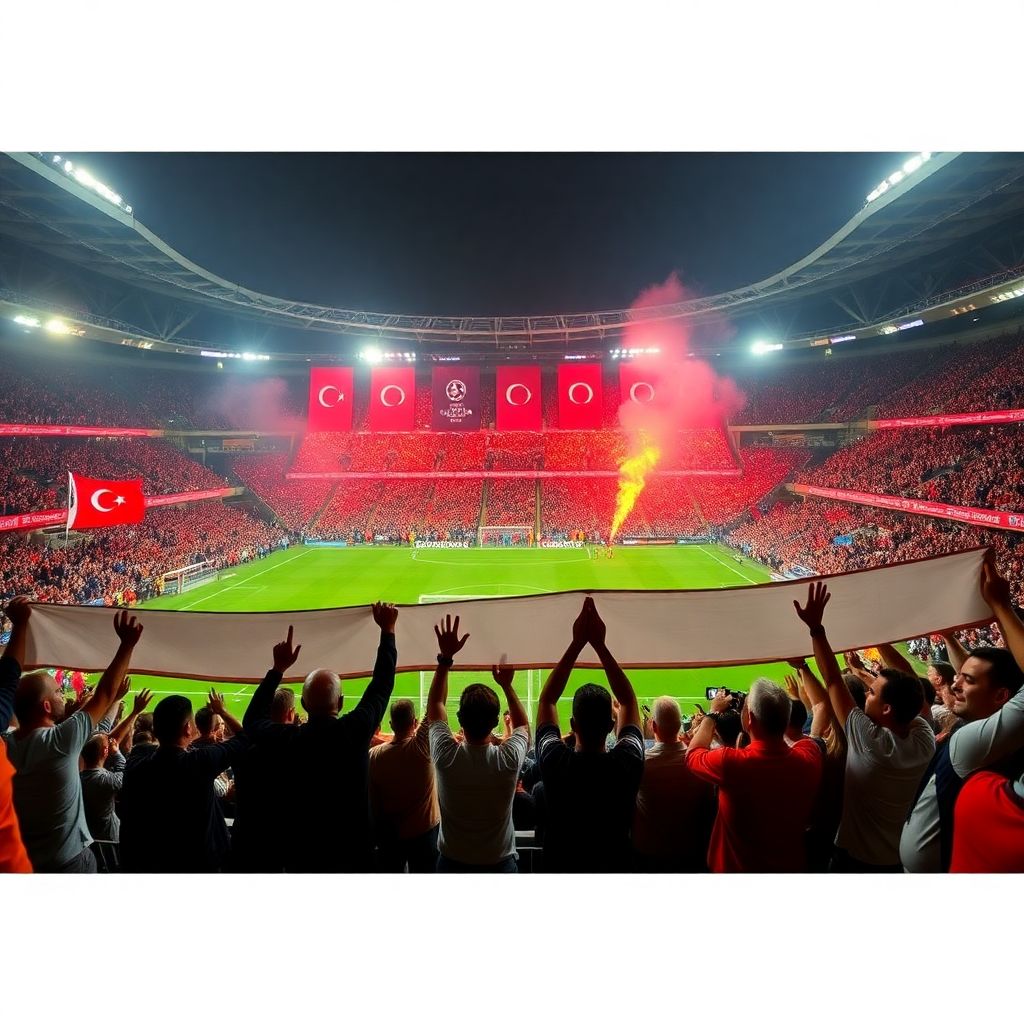
Iconic nights in European competitions for Turkish clubs are matches where performance, atmosphere and context combine to change reputation: for a player, a team, or even the league. They are not just surprise wins, but games that reshape expectations, tactics, transfer decisions and how the wider world follows Turkish football.
Myths and realities about Turkish clubs’ iconic European nights
- Myth: They are only about big three Istanbul teams; reality: smaller clubs have delivered defining European statements that shaped Turkish clubs in European competitions history.
- Myth: Iconic equals biggest scoreline; reality: context, resilience and timing often matter more than margin of victory.
- Myth: These nights are pure emotion; reality: clear tactical plans and in-game adjustments usually underpin the drama.
- Myth: Only knockout matches can be legendary; reality: group-stage comebacks, qualification play-offs and even losing efforts can be iconic if they change perception.
- Myth: Greatness is obvious in the moment; reality: some matches become legendary years later when careers and campaigns are reassessed.
- Myth: Fans cannot learn anything practical; reality: these nights are case studies for reading momentum, stadium management, ticket demand and media attention.
Shock results that rewrote expectations: landmark upset victories
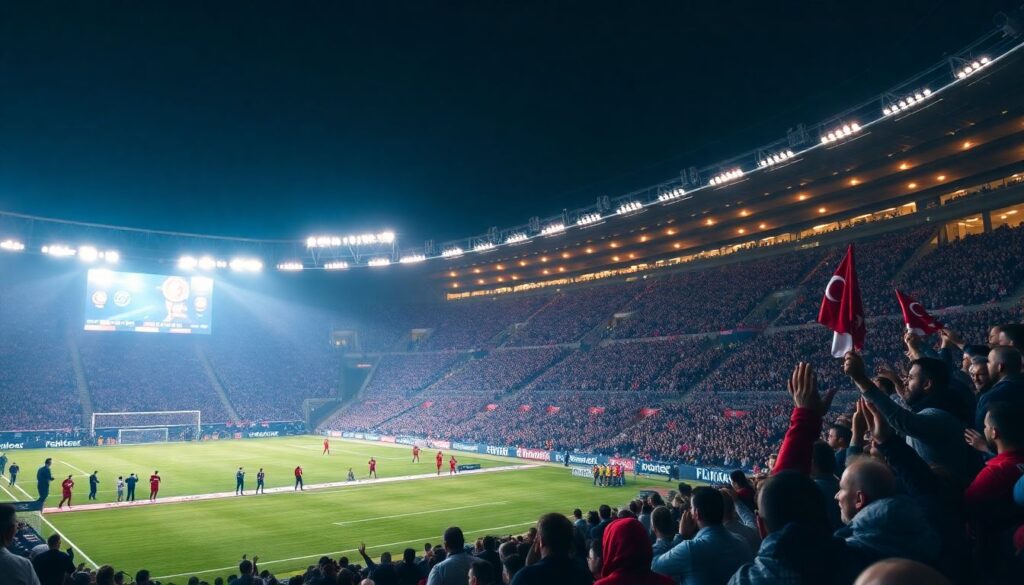
Landmark upset victories are European matches where a Turkish club beats a clearly favoured opponent and forces observers to rethink assumptions about quality, mentality and tactical sophistication. They are turning points in narratives, used as reference moments whenever people compare leagues or discuss Turkish clubs in European competitions history.
These shocks sit on a spectrum. At one end are total surprises, where neutral fans expected a heavy defeat and instead watched a disciplined, fearless Turkish side control the match. At the other end are matches where a competitive team still goes beyond its perceived ceiling, showing levels of pressing, game management and mental toughness that previously seemed unreachable.
In practical terms, such victories influence scouting focus on the Süper Lig, reshape transfer negotiations for standout players and coaches, and affect commercial decisions like international tours or merchandising of the best Turkish football club jerseys European competitions editions. They also drive demand for future away allocations and home tickets, as fans want to be present for the next shock result.
Deep runs and final appearances: campaign-by-campaign turning points
Deep European runs by Turkish clubs are not built on a single miracle match but on a sequence of controlled performances and key turning points. Understanding those turning points helps analysts, coaches and fans see how momentum and confidence accumulate over a campaign.
- Qualifying rounds as silent foundations: Early summer ties often look routine, yet they test squad depth, travel planning, and how quickly new signings adapt. Getting these right prevents fatigue and injuries later in the competition.
- First group-stage statement: One strong result early in a group sends a signal: players start believing, opponents stop underestimating, and media coverage intensifies. This is often when crowds and choreographies reach another level.
- Critical away performance: A disciplined away draw or narrow win in Europe proves that Turkish sides can manage tempo without the comfort of their home atmosphere. Coaches studying Galatasaray best matches in UEFA Champions League often focus on these controlled away displays.
- Knockout adaptability: Over two legs, successful Turkish teams show flexible game plans: one approach at home, another away. Substitution timing, set-piece routines and pressing triggers become more important than pure emotion.
- Handling adversity moments: Red cards, conceded penalties, or hostile crowds reveal whether a team’s European identity is built on resilience or volatility. Deep runs usually feature at least one game where survival under pressure becomes the real achievement.
- Legacy-defining semi-finals and finals: Even when the trophy is not won, a balanced performance against Europe’s strongest can permanently upgrade a club’s brand, sponsorship profile and attractiveness to foreign players.
Small-club nights: when underdogs carried the nation’s flag
It is easy to focus only on major Istanbul clubs, yet some of the most instructive European nights came from provincial teams and rising underdogs. These matches show how limited resources can still produce iconic moments and how regional fanbases amplify national pride.
- Compact-stadium cauldrons: Smaller grounds with steep stands can create suffocating atmospheres. When an underdog hosts a well-known European opponent, every duel feels amplified, teaching how infrastructure and acoustics compensate for lower capacity.
- Defensive masterclass games: Underdog Turkish sides often build legends on disciplined low blocks, counter-attacks and rest defence. Coaches later reference these nights when preparing to watch Turkish teams in UEFA Europa League live and study compact-team tactics.
- Single-star narratives: In some campaigns, one local hero’s run of form turns the club into a temporary national symbol. The player’s performance invites comparisons with bigger-club peers and often triggers future transfers to the traditional giants.
- Travel stories and shared identity: Away sections filled with fans from across Europe, not just the home city, show how diaspora communities rally behind even small Turkish clubs. These trips set new standards for supporter logistics and safety planning.
- Temporary brand explosions: A short European journey can boost shirt sales and social media followers for years, especially when the club releases one of the best Turkish football club jerseys European competitions has seen, celebrated by neutrals as well as locals.
Tactical blueprints: decisive strategies and in-game adjustments
Memorable European performances rarely come from improvisation alone. They showcase deliberate tactical choices tailored to opponents, stadium realities and refereeing tendencies. Understanding these blueprints helps coaches, analysts and serious fans replicate principles rather than chase nostalgia.
Strategic advantages often seen on iconic nights
- Controlled aggression in pressing: Instead of wild pressing from the first minute, top Turkish sides target specific build-up players or lanes, forcing turnovers in areas where the crowd can immediately influence momentum.
- Asymmetric full-back usage: One full-back stays more conservative to prevent counters, while the other overlaps relentlessly, creating wide overloads that European opponents sometimes struggle to adjust to mid-game.
- Midfield staggering for second balls: Turkish coaches often position midfielders on different vertical lines to dominate rebounds and loose balls, a key aspect in high-tempo home matches.
- Set-piece specialisation: Unique routines, screens and near-post runs turn corners and free-kicks into primary weapons, especially against technically superior opposition.
- Substitution-driven tempo shifts: Introducing pace or physicality at specific minutes changes the match rhythm and keeps opponents uncomfortable, something repeatedly observed in Galatasaray best matches in UEFA Champions League campaigns.
Limitations and risks behind these strategies
- Over-reliance on crowd energy: Game plans that depend on emotional spikes can collapse in calmer away environments where referees are less influenced and momentum swings are slower.
- Physical burnout: High pressing and constant overlaps require conditioning that not every squad has; overuse in Europe can damage domestic league form later in the season.
- Predictability of set plays: Once opponents analyse corner and free-kick patterns, failing to refresh routines can turn a former strength into a neutral factor.
- Inflexible star dependency: Building the entire plan around one forward or playmaker may work on an iconic night but creates fragility if that player is injured or tightly marked in future rounds.
- Mismatch with long-term identity: Ultra-defensive or ultra-aggressive approaches that succeed in one high-profile match may not fit a club’s broader philosophy, academy style, or recruitment model.
Individual breakthroughs: performances that defined entire seasons
Many European nights are remembered through individual stories: a goalkeeper’s saves, a winger’s solo runs, a captain’s leadership. Yet focusing only on highlights creates misleading lessons. Separating myths from practical takeaways makes these performances more useful for players and coaches.
- Myth: Pure talent suddenly appeared: Iconic displays are usually the visible peak of long-term development, not unexplained explosions. The real lesson is how clubs created the conditions for talent to flourish on the biggest stage.
- Myth: One game changed everything: While a single night can accelerate transfers or national-team selection, scouts typically track consistency. Treating one match as decisive ignores many previous and later performances.
- Myth: Leaders are born in finals only: Captains and vocal players often show leadership in training and smaller games first. The European spotlight simply makes their communication and body language visible to a wider audience.
- Myth: Big players always rise to the occasion: Some stars struggle in noisy, high-pressure Turkish stadiums, while less-known teammates thrive. This reminds recruiters to value psychological profiles and adaptation skills, not just technical attributes.
- Myth: Fans cannot influence individual form: Intelligent support-songs timed to defensive phases, patient backing after mistakes-can stabilise nervous players. This is a practical area where fan groups prepare as seriously as teams do.
Aftershocks: how memorable European nights changed Turkish football
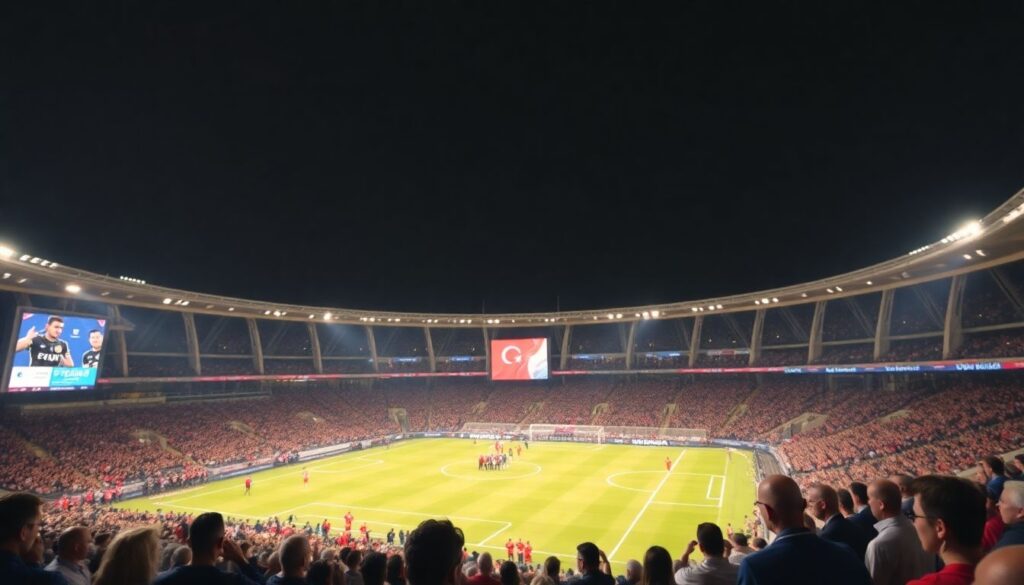
The real power of iconic European nights lies in their aftershocks. They alter how clubs are run, how fans behave, and how international audiences engage with Turkish football. One match can quietly reshape training methods, scouting priorities, and commercial strategies for years.
Consider a high-profile home win by a Turkish side over a famous European club. In the months that follow, the board may double down on the coach’s tactical model, invest more in sports science to repeat that intensity, and renew key contracts earlier. Local rivals react, adjusting their own tactical identities to compete with this new standard.
Off the pitch, demand rises for season tickets and especially for Fenerbahce memorable European nights tickets or similar high-stakes fixtures across other clubs. Broadcasters repackage highlights to attract neutral viewers, encouraging more people to watch Turkish teams in UEFA Europa League live and in other UEFA tournaments. Clubs release commemorative kits, which sometimes evolve into the best Turkish football club jerseys European competitions observers still discuss, blending nostalgia with modern design to monetise the memory.
In simplified pseudo-code, the process looks like this:
// Pseudo-process of an iconic European night impact
match_result = "iconic_night"
if (match_result == "iconic_night") {
    club_identity = club_identity + tactical_clarity + emotional_story;
    fanbase = fanbase + local_interest + diaspora_engagement;
    market_perception = market_perception + respect + curiosity;
    future_decisions = align_with(club_identity, fanbase, market_perception);
}
Understanding this chain helps stakeholders-from directors to ultras-treat legendary games not only as memories but as strategic assets that guide the next phase of Turkish clubs in European competitions history.
Practical questions about Turkish clubs’ greatest European performances
How can a neutral fan start exploring iconic Turkish European nights?
Begin with curated highlight packages from well-known campaigns, then read match reports to understand context. Focus on a mix of home and away games from different decades to see how style, atmosphere and tactics evolved.
What should I look for tactically when rewatching famous matches?
Track pressing triggers, full-back positioning, and how midfielders react to turnovers. Note substitution timing and whether the team changes shape when defending a lead versus chasing a goal.
How do these nights affect future transfer decisions for Turkish clubs?
Standout performances raise player profiles and accelerate sales abroad, but they also highlight positions where depth is lacking. Sporting directors often use European lessons to refine scouting profiles and contract priorities.
Why do ticket prices and availability change after an iconic European result?
Demand spikes as more fans want to be present for the next historic night. Clubs may adjust pricing, introduce mini-packages, or prioritise loyal season-ticket holders for high-profile European matches.
Do legendary European performances translate into better domestic results?
Sometimes they build confidence and tactical clarity, boosting league form. But increased fixture congestion and emotional fatigue can also hurt domestic consistency if rotation and recovery are not well managed.
How can supporters contribute positively during high-pressure European games?
Coordinated singing, avoiding negativity after early mistakes, and respecting pre-planned choreographies all help. Supporters’ groups that prepare like this can create more controlled, intimidating atmospheres without crossing disciplinary lines.
What is a practical way for young players to learn from these matches?
Instead of only watching highlights, players should analyse full replays with notebooks, focusing on movement off the ball, body orientation, and decision-making under pressure in specific positions similar to their own.