TFF 1. Lig is unpredictable and entertaining because promotion, play‑off and relegation battles stretch across the whole table, squads change quickly through loans, and tactical styles vary from cautious to all‑out attack. For fans, analysts and bettors, this means volatile results, shifting TFF 1. Lig odds and constant opportunities if you track information early.
Why TFF 1. Lig’s volatility matters
- Leads change hands often, so early‑season tables are unreliable for long‑term TFF 1. Lig predictions.
- Squads are rebuilt rapidly, creating value before bookmakers fully adjust TFF 1. Lig odds.
- Attacking, open games provide plenty of storylines, highlights and dramatic comebacks.
- Local rivalries and travel distances strongly affect performance, especially in midweek fixtures.
- Live data, including TFF 1. Lig live scores, becomes crucial to exploit in‑game swings.
- Fans can discover emerging clubs early, long before they reach the Süper Lig spotlight.
How the competition format fuels unpredictability
The league format itself is the first driver of chaos. You have a full round‑robin season, with every club facing each opponent home and away. At the same time there are multiple parallel battles: direct promotion, play‑off qualification and the relegation fight at the bottom.
This structure makes mid‑table comfort rare. A short winning streak can pull a team into the promotion conversation; a brief slump can drag the same club towards danger. That swings motivation levels week by week and makes classic European patterns (stable top three, predictable mid‑table) much less reliable here.
Because so many clubs still “have something to play for” deep into the season, you see aggressive tactical choices and emotional atmospheres in April and May that might feel more like a top division. For anyone working on TFF 1. Lig predictions, it is risky to assume any team will coast once safety looks close.
Promotion, play-offs and relegation: season-long high stakes
Understanding promotion and relegation dynamics is essential to read form correctly and to turn raw information into practical TFF 1. Lig betting tips. Think in terms of simple mechanisms that affect behaviour:
- Direct promotion spots: Clubs in the top positions often play with controlled aggression, trying to win without exposing themselves to heavy defeats that could swing goal difference and momentum.
- Play‑off qualifying places: Teams just outside the play‑off zone are usually the most desperate; they push hard in “six‑pointer” games against direct rivals, which increases match volatility.
- Play‑off preparation: Sides safely in the play‑offs might rotate heavily in late rounds, protecting key players for knockout ties and creating unexpected results against lower‑ranked opponents.
- Relegation pressure: Clubs near the bottom tend to adopt pragmatic, defense‑first approaches away and ultra‑emotional attacking styles at home, depending strongly on crowd energy.
- Mid‑season turning points: The winter break and January transfer window reset expectations; a team struggling before the break can look completely different after new signings and a mini‑preseason.
- Tiebreakers and head‑to‑head: Where head‑to‑head records matter, coaches may protect a one‑goal lead late in matches against direct rivals, changing how you interpret in‑play momentum.
Player movement, loans and the churn that reshapes squads

Squad turnover is extreme compared with many European second tiers. This constant churn is central to why the league feels so wild and why followers who react quickly gain an edge over those relying on last season’s impressions.
Here are typical scenarios you see repeatedly:
- Big‑club loanees arriving late: Süper Lig giants send promising youngsters on loan after pre‑season. That can instantly raise a mid‑table team’s ceiling, especially in creative or attacking positions.
- Short‑term foreign signings: Experienced foreigners arrive on free transfers, sometimes out of shape but with high quality. When they finally reach full fitness, the team’s level can jump almost overnight.
- Fire‑sale after relegation: Teams dropping from the Süper Lig often lose many key players quickly. Name recognition can fool people into overrating them, especially early in the season.
- Winter rebuilds: Struggling clubs might change coach and half the starting XI in January. You must treat pre‑window and post‑window data as if you are almost analyzing two different teams.
- Goalkeeper and centre‑back changes: Quiet signings in these positions can stabilise a side that previously looked chaotic, turning “over” matches into tighter, more controlled games.
- Academy promotions: Financially modest clubs push several youngsters into the first team; performance can be inconsistent but often brings high energy and surprise wins at home.
Tactical variety: from counterattacks to open, high-scoring games
On the pitch, TFF 1. Lig is a mix of contrasting philosophies. You will see compact, counterattacking sides one week and wide‑open pressing or expansive possession football the next. This tactical diversity is a core reason the division is so watchable via TFF 1. Lig streaming platforms.
Think of the tactical landscape in terms of practical advantages and clear limitations.
Where the tactical diversity becomes a strength
- Smaller clubs can tailor their style to specific opponents, using low blocks and fast transitions to frustrate technically stronger teams.
- Coaches willing to press high at home can create intense, chance‑heavy games that neutral fans love to watch.
- Set‑piece preparation is often strong; many underdogs focus on corners and free kicks as key weapons in tight fixtures.
- In‑game tactical shifts (changing formation, early substitutions) are common, which suits live bettors monitoring TFF 1. Lig live scores and match events.
Limits and risks created by this same variety
- Defensive organisation can collapse quickly when teams overcommit players forward, leading to sudden goal runs in both directions.
- Pressing structures are not always perfectly coordinated; once opponents break the first line, they can create high‑quality chances easily.
- Some coaches switch systems too often, making it harder for players to build automatic movements and stable partnerships.
- Pitch quality and weather can neutralise possession‑based teams, especially late in the season, so their expected style may not appear on specific weekends.
Economic dynamics that create surprise contenders
Finances in TFF 1. Lig are highly uneven, but money does not guarantee stability. Mismanagement at bigger clubs and smart planning at smaller ones are the main reasons for surprise promotion pushes and sudden collapses.
These are recurring mistakes and myths you should be aware of when interpreting form or building your own TFF 1. Lig predictions:
- Myth: “Big city equals big success.” Clubs from major cities often face political pressure, impatient boards and frequent coach changes, which can destroy continuity.
- Mistake: Chasing names over profiles. Some teams sign famous but declining players instead of role‑fit options, creating unbalanced squads that cannot press or defend transitions.
- Myth: Parachute money guarantees dominance. Recently relegated sides might start as favourites in TFF 1. Lig odds, yet dressing‑room morale issues and heavy expectations can make them fragile.
- Mistake: Underinvesting in staff and analysis. Smaller clubs that spend modestly on players but wisely on scouting and data often outperform better‑funded rivals over a full season.
- Myth: “Stability means keeping everyone.” Real stability is about clear roles and culture, not freezing the squad; failing to refresh key positions can lock a team into mid‑table mediocrity.
Supporters, local rivalries and the spectacle on matchdays
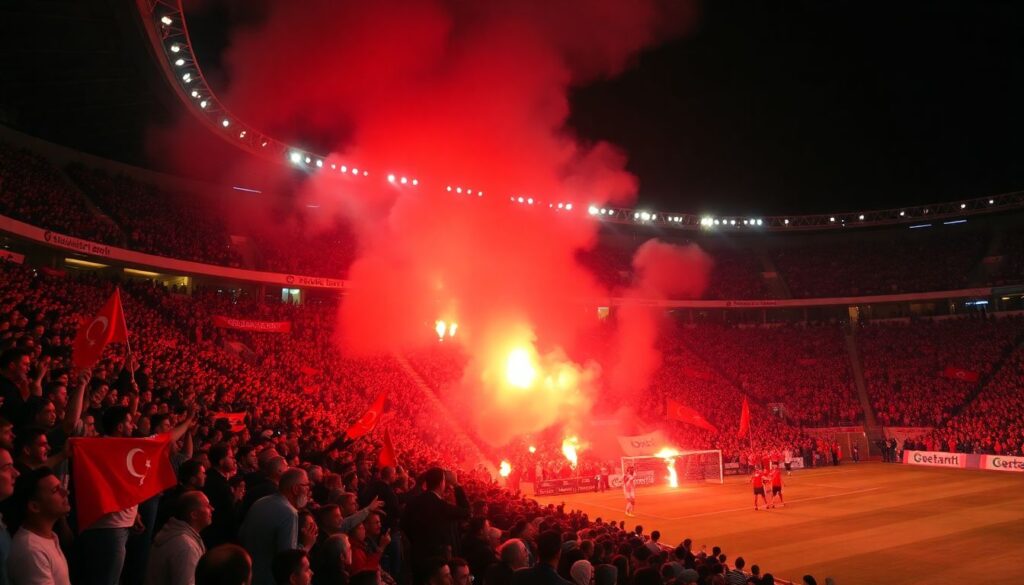
The emotional intensity of matchdays is another reason TFF 1. Lig feels unique. Many clubs have deeply rooted local identities, passionate ultras and stadiums that become intimidating, especially for long‑distance visitors arriving after difficult travel.
Consider a simplified mini‑case to guide your weekly preparation:
- Identify two fixtures with strong local or historical rivalry elements.
- Check recent crowd situations, news and disciplinary reports for both home and away sides.
- Compare their home and away trends before placing any wagers or drawing tactical conclusions.
- Re‑watch extended highlights via legal TFF 1. Lig streaming sources to evaluate pressing intensity and emotional swings.
- Update your notes for future TFF 1. Lig betting tips, flagging teams whose performance level changes radically with the atmosphere.
Handled this way, qualitative factors like fan culture, stadium environment and travel become structured inputs instead of vague “gut feelings”. That is how you turn the league’s chaos into an edge rather than a problem.
Quick self-check before the next matchday
- Have you updated your view of each team after recent loans, injuries and coach changes?
- Do you factor in promotion, play‑off or relegation pressure before trusting form lines?
- Are you cross‑checking TFF 1. Lig live scores with what you see on TFF 1. Lig streaming, not just final results?
- When you look at TFF 1. Lig odds, do you compare them with your own ratings rather than accepting them as truth?
- Are your TFF 1. Lig predictions written down and reviewed weekly so you can learn from both wins and mistakes?
Practical answers for fans and analysts
Why is TFF 1. Lig considered more unpredictable than many other second tiers?
Because promotion, play‑offs and relegation battles usually involve a large share of the table, small changes in form have big consequences. Combined with heavy squad turnover and varied playing styles, that produces frequent surprise results and dramatic swings in momentum.
How should I start building my own TFF 1. Lig betting tips?
Begin with basic information edges: track coach changes, key injuries, and new loans from Süper Lig clubs. Then separate home and away performance, focusing on motivation (promotion or relegation pressure) before you even look at prices offered by bookmakers.
What is the best way to follow matches in real time?
Use reliable TFF 1. Lig live scores to monitor goals, cards and substitutions, but do not rely on numbers alone. When possible, supplement with TFF 1. Lig streaming or extended highlights to judge tactical changes and energy levels that raw stats cannot show.
Why do TFF 1. Lig odds move so much before kick-off?
Team news breaks late, especially for clubs with frequent rotations and last‑minute fitness decisions. Once line‑ups appear, markets react quickly to unexpected absences or surprise selections, particularly for creative players and goalkeepers.
How can data help with consistent TFF 1. Lig predictions?
Track simple but powerful indicators: shots from inside the box, chances conceded after turnovers, and set‑piece efficiency. Use moving averages over several games rather than single‑match numbers, and always reset your expectations after major squad changes.
Is it worth comparing TFF 1. Lig to other European second divisions?
Yes, but treat it as its own ecosystem. Economic structures, travel demands, fan culture and loan patterns differ significantly, so models built only on other leagues can misjudge volatility and under‑ or overrate certain team profiles here.
What should casual fans focus on if they just want entertainment?
Look for fixtures between pressing, attack‑minded sides or intense local derbies. These matches tend to produce the most end‑to‑end football, loud atmospheres and late goals, even if you are not interested in betting or deep tactical analysis.