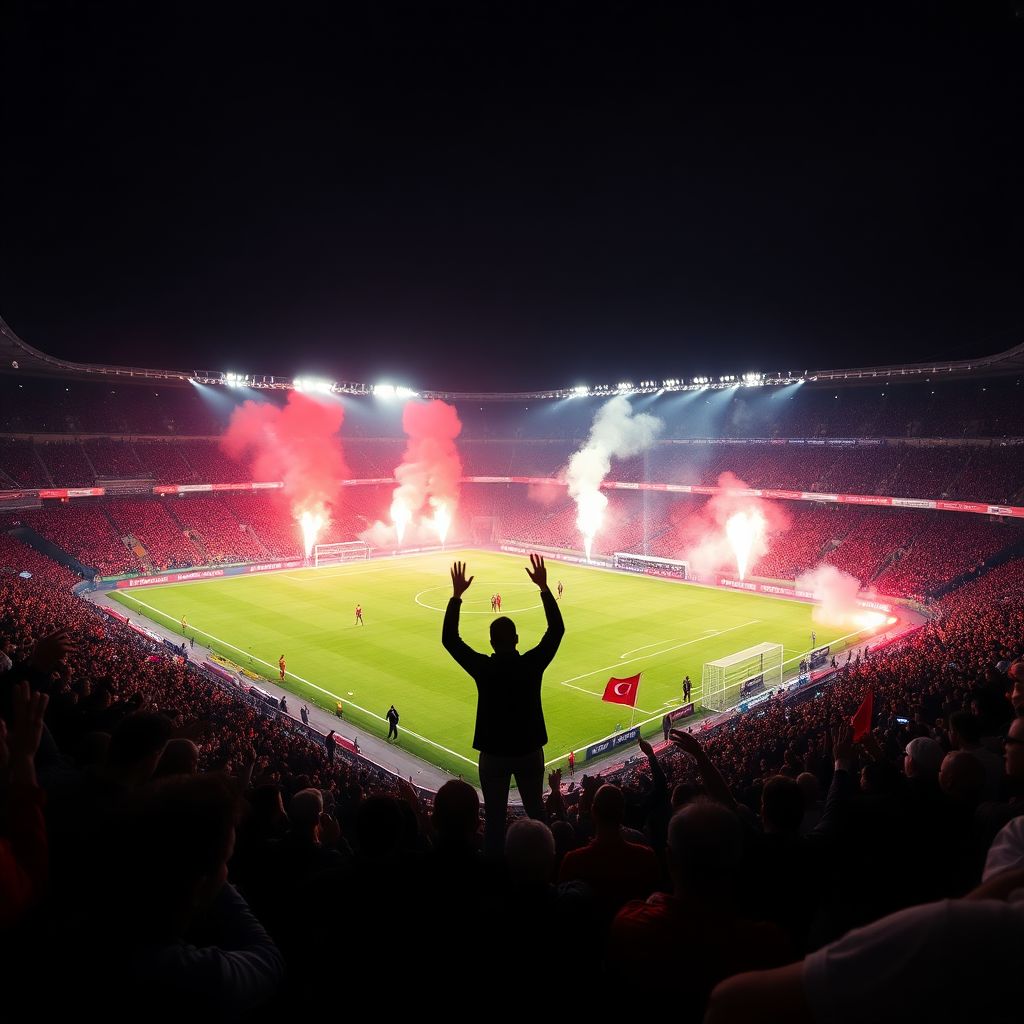
Turkish clubs’ most memorable European nights are high-stakes matches where Galatasaray, Fenerbahçe, Beşiktaş and others overturn expectations, defeat established giants, or create unforgettable atmospheres in Istanbul and beyond. These games blend noisy stadium culture, bold tactics and clutch performances, leaving a legacy that shapes how Europe views Turkish football.
Snapshot of Turkey’s Landmark European Nights
- Turkish clubs built respect in Europe through statement wins, not only as romantic underdogs.
- Istanbul’s stadium atmospheres turned many home legs into psychological tests for visiting giants.
- Coaches used smart pressing, compact defending and rapid transitions to close quality gaps.
- Star turns from goalkeepers, playmakers and strikers often defined entire eras for fans.
- Deep European runs improved club infrastructures, youth setups and international branding.
- Today’s demand for turkish football clubs european competitions tickets is rooted in those historic nights.
Debunking Myths: Were Turkish Clubs Always Underdogs in Europe
The common story says Turkish clubs were always outsiders in Europe, occasionally enjoying a lucky upset. That narrative ignores decades of gradual growth in tactical quality, squad depth and institutional ambition, especially from Istanbul’s big three and rising Anatolian clubs.
In early European campaigns, Turkish sides lacked resources, experience and consistent exposure to elite opponents, which naturally produced underdog results. However, as domestic professionalism improved, clubs started exporting players, attracting better foreign signings and hiring more sophisticated coaches. European competitions became long-term projects instead of bonus adventures.
By the time Galatasaray lifted a major European trophy and Fenerbahçe and Beşiktaş regularly reached knockout rounds, the “permanent underdog” label was no longer accurate. These teams could control games, press high, and manage two-legged ties strategically, forcing even traditional powers to respect Istanbul away days.
This shift is visible in ticket demand: fans now look for galatasaray champions league tickets istanbul or uefa champions league istanbul match tickets not just for the occasion, but because they expect Turkish sides to compete seriously with Europe’s best. The perception gap-between old stereotypes and modern capability-is the core myth that needs correcting.
Giant-Killing Nights: Upsets That Reshaped Respect for Turkish Football
“Giant-killing” in Turkish football is not random miracle work; it follows recognisable patterns that repeat across different clubs and eras.
- Psychological framing of the tie
Coaches and captains publicly frame European clashes as battles of equals, not survival missions. This reduces inferiority complexes and encourages brave pressing, especially at home. Visiting favourites suddenly face a crowd and opponent acting like they belong at that level. - Front-foot home legs in Istanbul
Instead of sitting deep, Turkish teams often push high early in Istanbul, using the crowd’s noise to suffocate opponents. Quick starts, aggressive duels and set-piece focus create chaotic spells where several decisive moments can occur. Many famous wins were built in these first 20 minutes. - Vertical transitions against slower defences
Upsets usually feature wingers and forwards attacking space behind advanced full-backs. Once possession is recovered, the ball goes forward fast, often with one-touch combinations. This directness punishes technically superior teams that underestimate the transition speed of Turkish sides. - Goalkeeper and centre-back heroics
Even in dominant performances, Turkish clubs concede chances against top European attackers. Memorable nights nearly always involve heroic shot-stopping and last-ditch blocks, turning what could have been a respectable loss into a historic win or qualification. - Game-state management after taking the lead
After scoring, teams rarely park the bus completely. Instead, they defend in compact blocks but keep counter-attacking threats on the pitch. This forces giants to respect the break and prevents one-way pressure. Foul management and tempo control become as important as tactical shape. - Two-leg planning across home and away
Coaches often design tie plans, not just match plans. A brave home performance in Istanbul is followed by stubborn, pragmatic away football. The “giant-killing” label hides the fact that many such successes came from coherent 180-minute strategies. - Supporter-driven momentum and travel culture
Even away, pockets of Turkish fans create noise out of proportion to their numbers. Packages similar to besiktas european matches travel packages helped fans follow the team, giving players emotional boosts in difficult environments and contributing to belief that upsets were achievable.
Home Advantage Narratives: Legendary European Matches in Turkish Stadiums
Home advantage for Turkish clubs is not just decibels; it is a repeatable scenario combining logistics, culture and tactical preparation.
- Intimidating pre-match build-up
From flares to coordinated chants, visiting teams often face a hostile atmosphere hours before kick-off. Warm-ups feel like mini-battles. This can rush their decision-making and tempt them into long balls or uncharacteristic errors once the match begins. - “Wave” pressure phases
Turkish sides commonly attack in emotional waves, especially after corners, fouls or refereeing controversies. The crowd senses momentum and amplifies it. Opponents struggle to slow the game down, leading to sustained pressure spells that produce iconic goals and comebacks. - Smart use of stadium dimensions and pitch conditions
Within regulations, clubs learn how their specific pitch behaves: where the turf is quickest, where the ball holds up, how wind or humidity affect crosses. Long-serving players exploit these micro-advantages better than visiting stars who only step there once. - Late-night Istanbul kick-offs
Evening European nights in Istanbul fit local rhythm; fans arrive energised after work or daytime routines. For some travelling teams, body clocks and travel stress make late kick-offs uncomfortable. This subtle edge benefits home pressing and intensity in the second half. - Ticket culture and match rituals
The high demand for galatasaray champions league tickets istanbul and uefa champions league istanbul match tickets reflects an audience that knows how to “play the game” with the team. Chants are timed to opposition goal kicks, set-pieces and referee decisions, turning crowd behaviour into a tactical tool. - Tourism meets ultras
Modern stadiums attract foreign visitors via istanbul football tour packages european nights, mixing tourists with hardcore ultras. While tourists might be quieter, the global attention and social media coverage increase the pressure on visiting teams and deepen the myth of Turkish home advantage.
Tactical Turning Points: Coaching Decisions Behind Memorable Wins
Behind every emotional European night for a Turkish club, there are specific coaching decisions that changed the tie. These decisions brought clear benefits but also carried risks that sometimes go unnoticed.
Strategic advantages from bold coaching calls
- Switching to compact mid-blocks against elite possession teams
Moving from naive high pressing to disciplined mid-blocks limited space between the lines, forced opponents wide and turned crosses into defendable situations. - Double pivot to stabilise transitions
Adding a second holding midfielder reduced counter-attacking vulnerability and allowed full-backs to step higher, creating overloads without losing central security. - Asymmetrical wide roles
Deploying one winger as a pure runner in behind and the other as an extra playmaker confused opposition full-backs and defensive midfielders, opening lanes for through balls. - Late-game striker substitutions
Fresh, physically strong forwards introduced around the 70th minute turned tired defences, won fouls and corners, and often scored decisive goals in front of home fans. - Set-piece specialisation
Dedicated training on corners and free-kicks, including screens and disguised runs, converted marginal territorial dominance into goals against taller or more experienced opposition backlines.
Limitations and risks of these tactical choices
- Over-defensive mid-blocks becoming passive
If line height drops too deep, Turkish sides struggle to counter and end up defending their box for long stretches, inviting the very pressure they tried to avoid. - Reduced creativity with double pivots
A second holding midfielder can protect transitions but sometimes removes a creative link in the final third, making it harder to break down stubborn visitors needing only a draw. - Predictable wing patterns
Once opponents identify asymmetric wide roles, they can double-mark the dangerous side and force build-up through weaker technical players. - Late striker changes losing rhythm
Substituting a well-connected striker for a fresh but isolated target can break attacking chemistry if midfielders are already fatigued and unable to support. - Set-piece overreliance
Banking too heavily on corners and free-kicks may leave teams without a plan B if referees allow more physical defending or opponents simply defend dead balls well.
Star Performances: Players Whose European Nights Became National Memory
Memorable European nights are often reduced to single heroes, but that simplification creates several myths and interpretive errors.
- Myth: One player “carried” the team alone
Reality: Big performances from strikers, playmakers or goalkeepers rest on coordinated pressing, covering runs and unglamorous work by teammates. Highlight reels hide the collective structure that allowed stars to shine. - Myth: Foreign stars always made the difference
Reality: While imported talent helped, many iconic moments involved local players who understood stadium culture, derby intensity and travel fatigue in Europe. Domestic leaders often set emotional tone and tactical discipline. - Myth: Veterans are always more reliable in Europe
Reality: Some of the boldest showings came from younger players with no fear of big names or famous stadiums. Youthful aggression and risk-taking sometimes broke tactical stalemates. - Myth: Individual brilliance beats tactics
Reality: Star performances usually align with a clear game plan: when to press, where to receive between lines, which full-back to target. Without that precision, even top players get isolated or crowded out. - Myth: Great nights guarantee long-term success
Reality: A hat-trick or heroic goalkeeping display can become folklore without translating into consistent European impact. Injuries, transfers and tactical shifts often prevent repetition of one legendary performance. - Myth: Only the big three produce European legends
Reality: Clubs outside Istanbul have also delivered standout European nights, even if they attract less global attention. For travelling fans using besiktas european matches travel packages or broader istanbul football tour packages european nights, it is worth tracking fixtures across the whole league.
Legacy and Infrastructure: How European Runs Changed Clubs Long-Term
European campaigns did more than fill highlight reels; they reshaped club structures, finances and even the matchday economy around Istanbul and other cities.
Repeated participation in European group stages brought broadcast revenue, prize money and increased brand visibility. Clubs upgraded stadiums and training facilities, professionalised scouting departments and invested more deliberately in academies. European nights taught boards the value of squad depth, rotation and sports science in handling congested calendars.
This new status fed back into fan culture and tourism. Interest in turkish football clubs european competitions tickets grew strongly, encouraging agencies to build istanbul football tour packages european nights that bundle flights, hotels and stadium visits. The matchday became a city-level experience-restaurants, transport and local businesses adjusted to midweek influxes of foreign fans.
To connect these big-picture changes with a practical way to understand a single match, use a short “result check” algorithm for any supposed legendary European night:
Step 1: Context
- Was the opponent clearly stronger on paper (budget, history, squad depth)?
- Was the tie high-stakes (knockout, decisive group match, final)?
Step 2: Performance
- Did the Turkish club outperform expectations tactically (pressing, transitions, control)?
- Were there 1-2 standout individual displays that changed the game?Step 3: Atmosphere and narrative
- Did the stadium environment visibly affect the opponent's composure?
- Are fans still talking about this match years later (songs, banners, social media)?Step 4: Legacy
- Did the result lead to a deeper run, trophy, or long-term club change?
- Did it influence later demand for uefa champions league istanbul match tickets or broader tours?If you can answer “yes” to most of these questions, you are probably looking at a genuinely transformative European night, not just a fun one-off win.
Clarifications on Turkish Clubs’ European Records and Context
Have Turkish clubs always been outsiders in European competitions?
No. They started as clear underdogs but gradually developed into competitive, tactically mature sides. Today, the top Turkish clubs can go toe-to-toe with many European mainstays, especially at home, and occasional deep runs are the result of planning rather than pure surprise.
Why are Istanbul home games considered so difficult for visiting teams?
Combination of intense crowds, travel fatigue, late kick-offs and aggressive tactical starts make Istanbul a uniquely demanding away trip. The atmosphere influences refereeing pressure, opponent decision-making and game tempo, often turning small advantages into decisive ones.
Do Turkish clubs prioritise Europe over the domestic league?
Priorities shift by season and club, but most ambitious sides aim to balance both. European success brings visibility and money, while domestic titles secure future qualification. Coaches often rotate squads to stay competitive on both fronts, with mixed success.
Are famous European nights mostly about individual stars?
Individual brilliance matters, but it usually sits on top of a strong collective structure. Pressing organisation, compact defending and rehearsed transitions allow stars to appear at the right moments rather than carrying the team alone.
How can a neutral fan experience a big European night in Turkey?
Plan around confirmed European fixtures, look for turkish football clubs european competitions tickets via official channels and consider travel packages that combine flights, accommodation and match access. Booking early is essential for high-demand matches involving the big Istanbul clubs.
Do European runs really change clubs in the long term?
Yes, repeated participation tends to improve facilities, scouting and financial planning. Even a single deep run can attract sponsors, upgrade training grounds and shift expectations among fans and management about what is realistically achievable.
Are tour packages a good way to attend these matches?
For visitors unfamiliar with local logistics, curated offers like besiktas european matches travel packages or broader istanbul football tour packages european nights can simplify transport, lodging and ticket access, though they may cost more than organising everything independently.
Комментарии