
The top 10 Turkish players who left a lasting mark on world football combined European club impact, national-team success and tactical innovation. From pioneers opening doors in Serie A to modern stars in La Liga and the Premier League, their legacy is visible in Champions League history, tactical trends and how scouts view Turkish talent today.
Standout Contributions at a Glance
- Early pioneers like Lefter Küçükandonyadis and Can Bartu proved Turkish players could excel in top European leagues long before global scouting was common.
- Defensive leaders and goalkeepers gave Turkey its reputation for resilience, crucial in World Cup and Champions League campaigns.
- Creative midfielders such as Tugay Kerimoğlu and Emre Belözoğlu reshaped perceptions of Turkish players as technically gifted playmakers, not only fighters.
- Forwards like Hakan Şükür and Nihat Kahveci delivered defining goals on the biggest European stages, influencing how the best Turkish football players of all time are ranked.
- The same players often became symbols for both club and country, shaping identity, fan culture and youth development models.
- Many later moved into coaching, punditry or administration, extending their impact beyond their playing careers.
Pioneers: Early Turkish Trailblazers in European Football
Early Turkish trailblazers in European football were players who left the domestic league when international transfers were rare and risky. They joined major clubs in Italy or other strong competitions, proving that Turkish talent could adapt tactically and culturally. These pioneers laid the foundations for later Turkish football stars who played in top European leagues.
Their influence was not only on the pitch; by adapting to new training methods and lifestyles, they brought back professional standards that raised the level of Turkish clubs. Many discussions about the top Turkish football legends in world football start with these names, because they changed how scouts and coaches evaluated Turkish players.
Lefter Küçükandonyadis – Elegant Forward and Early Icon
Lefter was one of the first famous Turkish footballers in European clubs, signing for Fiorentina and Nice in an era when such moves were exceptional. Known for his first touch and calm finishing, he showed that a Turkish forward could star in technically demanding leagues. Back at Fenerbahçe, he became a symbol of professionalism and longevity.
- Recognise Lefter as a bridge between local stardom and European credibility.
- Notice how his Serie A spell increased respect for Turkish forwards abroad.
- Use his career to understand early mobility patterns of Turkish players.
Can Bartu – The Versatile Export to Italy
Can Bartu moved from Fenerbahçe to Italy, playing for clubs such as Fiorentina and Lazio when Turkish players abroad were almost unknown. His ability to operate both in midfield and attack impressed Italian coaches. He helped show that Turkish players could interpret multiple roles in tactically complex systems.
- Study Bartu’s role changes to see how Turkish players adapted tactically.
- Connect his time in Italy to the wider acceptance of Turkish signings later.
- Compare his club impact with his national-team presence to gauge his legacy.
Metin Oktay – Goal Machine and Cultural Reference
Metin Oktay’s brief spell at Palermo, combined with his legendary status at Galatasaray, made him one of the best Turkish football players of all time in local and regional eyes. Even with a short stay in Italy, he proved a Turkish striker could attract interest from Europe’s major leagues. His scoring feats at home turned him into a benchmark for later forwards.
- See Oktay as the template for the high-scoring, charismatic Turkish striker.
- Connect his Palermo move to early international recognition of Turkish talent.
- Use his story to understand how local legends gain global attention.
Goalkeepers and Defenders: The Backbone of Turkish Success
- Shot-stopping reputation: Turkish goalkeepers like Rüştü Reçber built reputations for reflex saves in high-pressure Champions League and World Cup matches, giving Turkey an image of defensive resilience.
- Leadership from the back: Centre-backs and full-backs often captained club and country, organising lines and setting the aggressive yet disciplined style associated with Turkish teams.
- Big-game consistency: Defenders and goalkeepers were central in famous upsets against European giants, which is why some are counted among the greatest Turkish players in Champions League history.
- Adaptation to European tactics: Moving to foreign leagues forced defenders to refine positioning, build-up play and pressing triggers, accelerating tactical evolution back in Turkey.
- Psychological impact: Solid defensive figures gave teammates confidence to attack, shaping how Turkish clubs approached away games in Europe.
- Role in youth development: Many legendary defenders and goalkeepers later influenced academy coaching, reinforcing defensive fundamentals for new generations.
Rüştü Reçber – Iconic Goalkeeper on the Global Stage
Rüştü became globally known after standout performances at the 2002 World Cup and in European competition with Fenerbahçe. His aggressive style, face paint and command of the box made him instantly recognisable. A move to Barcelona underlined his place among famous Turkish footballers in European clubs.
- Associate Rüştü with Turkey’s transition from underdog to feared tournament team.
- Note how his Champions League showings boosted the league’s reputation.
- Track his career to understand the evolution of Turkish goalkeeping.
Bülent Korkmaz – Warrior Centre-Back and Captain
Bülent Korkmaz, a one-club man at Galatasaray, captained the side through historic European nights, including a major continental trophy run. His willingness to play through injuries turned him into a symbol of determination. As a leader, he anchored a back line that consistently faced Europe’s best attacks.
- View Bülent as the emotional core of Galatasaray’s strongest European era.
- Use his style to understand the stereotype of the fearless Turkish defender.
- Contrast his club success with a solid but less celebrated national career.
Alpay Özalan – Physical Presence in England and Beyond
Alpay’s time at Aston Villa placed a Turkish centre-back in the heart of the Premier League, a key step for Turkish football stars who played in top European leagues. Physically imposing and strong in duels, he proved that Turkish defenders could match the intensity of English football. His World Cup performances added to his profile.
- Link Alpay’s Premier League spell to increased scouting of Turkish defenders.
- Observe how his style differed from more technical, ball-playing stoppers.
- Use his career as a case study in adapting to English football’s demands.
Midfield Maestros Who Reshaped Tactical Approaches
Creative and intelligent midfielders changed how Turkish players were perceived tactically. Once seen mainly as physical battlers, Turkish stars in the middle of the pitch started dictating tempo, switching play and leading pressing schemes. Their performances in Serie A, the Premier League and La Liga proved they could excel in roles requiring vision and discipline.
Tugay Kerimoğlu – Deep-Lying Playmaker in England
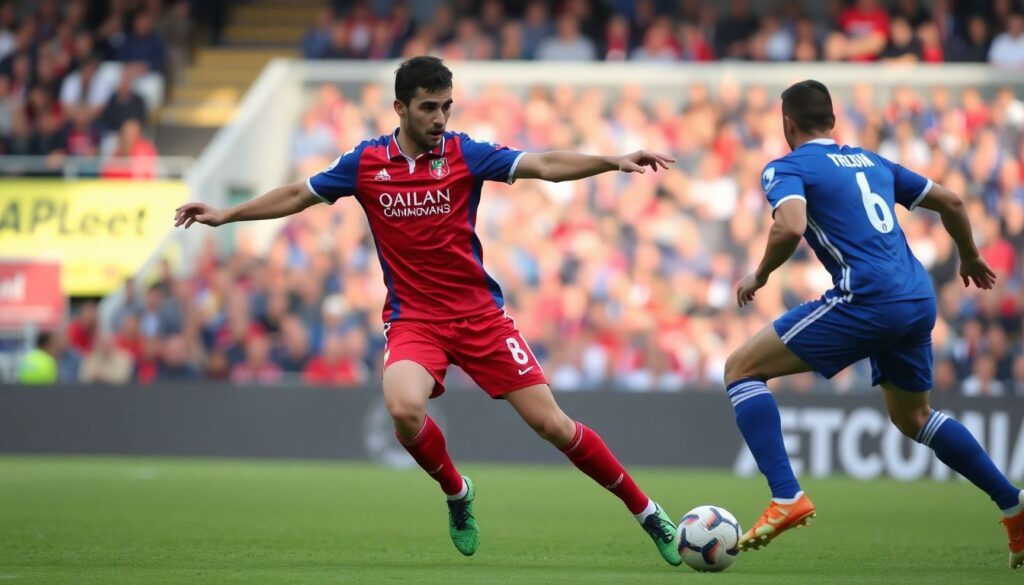
Tugay became a cult hero at Blackburn Rovers, where his long passing and composure contradicted clichés about purely physical Turkish midfielders. Often deployed deep, he controlled tempo and sparked attacks against top English sides. His longevity in England showed that Turkish technique and game intelligence could outlast raw athleticism.
- Study Tugay to understand the deep-lying playmaker role from a Turkish lens.
- Note how his Premier League success affected views of Turkish midfielders.
- Use his games as examples of controlling rhythm under pressure.
Emre Belözoğlu – Combative Technician Across Europe
Emre played for Inter, Newcastle United and Atlético Madrid, demonstrating that a Turkish midfielder could combine aggression with high-level technique. His ability to press, pass between the lines and shoot from distance made him a key figure in discussions of top Turkish football legends in world football. He helped normalise Turkish signings in multiple European leagues.
- Connect Emre’s career path to the diversification of Turkish exports.
- Analyse his pressing and passing to understand modern box-to-box demands.
- Contrast his club roles with his leadership duties in the national team.
Arda Turan – Creative Leader in Spain
Arda shone at Atlético Madrid, contributing to title challenges and deep Champions League runs before moving to Barcelona. As a wide playmaker who drifted inside, he showed that Turkish players could execute complex tactical roles in elite Spanish sides. His success placed him among the greatest Turkish players in Champions League history by influence.
- Use Arda’s Atlético period to study high-intensity pressing systems.
- Observe how he balanced flair with tactical discipline in La Liga.
- Relate his Champions League performances to Turkey’s growing global profile.
Forwards and Finishers: Defining Moments and Records
Turkish forwards built their reputations on decisive goals in title races, derbies and major tournaments. Their finishing under pressure helped elevate Turkish clubs and the national team to new competitive levels. These attackers forced European defences to respect Turkish teams as serious threats.
At the same time, their careers also show limitations: not all prolific domestic scorers translated their form abroad, and some moved to Europe late. Balancing heroic moments with consistency is essential when ranking the best Turkish football players of all time.
Hakan Şükür – Target Man and Tournament Hero
Hakan Şükür’s goals for Galatasaray in European competitions and his strikes at major tournaments made him a central figure in Turkish football history. As a classic target man, he dominated aerially and linked play effectively, especially in high-stakes matches. His role in a historic World Cup run ensured his global recognition.
- See Hakan as the reference point for evaluating later Turkish centre-forwards.
- Analyse his movement and hold-up play against elite European defences.
- Use his big-game goals as case studies in mental resilience.
Nihat Kahveci – La Liga Sharpshooter
Nihat made his name at Real Sociedad and Villarreal, where his movement and finishing troubled Spain’s biggest clubs. His goals in La Liga placed him among the most respected Turkish football stars who played in top European leagues. Injury setbacks limited his longevity, but his peak showed a Turkish forward could lead the line in a tactical league.
- Track Nihat’s best seasons to learn about off-ball movement in tight spaces.
- Compare his La Liga style with more physical strikers in England or Turkey.
- Use his career to understand how injuries can cap an otherwise elite trajectory.
Advantages of Turkish Forwards’ Playing Profiles
- Strong mentality in derby and knockout environments, often thriving under pressure.
- Blend of physicality and technique, enabling them to function as target men or mobile finishers.
- Willingness to work defensively, fitting the demands of modern pressing systems.
- Cultural adaptability, helped by prior pioneers who eased transitions to European clubs.
Constraints and Common Challenges for Turkish Forwards Abroad
- Late transfers to Europe, arriving past their physical peak and limiting long-term impact.
- Difficulty adjusting to different refereeing styles, leading to disciplinary issues.
- High expectations from domestic fans, sometimes creating pressure and short patience.
- Language and tactical communication barriers in complex systems, especially early in their moves.
Club Icons vs National Heroes: Comparative Impact
Many Turkish stars were dominant for their clubs but had more modest national-team careers, or the reverse. Understanding this distinction helps evaluate their true place among top Turkish football legends in world football. It also clarifies why fan rankings sometimes differ from international perceptions.
- Myth: Club success automatically equals global greatness. Some players built legendary status in the Süper Lig but had limited impact in continental competitions, so their global footprint stayed smaller than local hype suggests.
- Myth: Only European-based players matter. A few stars did most of their work in Turkey yet shone in national-team tournaments, impacting how foreign audiences saw Turkish football.
- Mistake: Ignoring tactical context. A player might look less influential for the national team simply because the system did not suit his strengths, not because of lower quality.
- Mistake: Overrating short European spells. One strong season abroad does not outweigh years of inconsistency; long-term Champions League impact is more telling.
- Myth: Leadership is visible only via armbands. Several Turkish greats led through tactical intelligence or work rate, shaping games without always being formal captains.
Enduring Influence: Coaching, Mentorship and Cultural Legacy
The influence of these ten players extends far beyond their final competitive match. Many turned into coaches, technical directors or pundits, shaping tactical debates and development pathways in Turkey. Their stories are now reference points for young players dreaming of careers in the biggest leagues and cups.
Coaches at Turkish academies often use clips of these legends to teach movement, pressing or game management. The shared memory of famous goals and saves binds fans together across generations, keeping interest alive in both the national team and domestic clubs. In this way, individual careers evolve into a collective cultural legacy.
Mini Case: From Star Player to Strategic Influencer
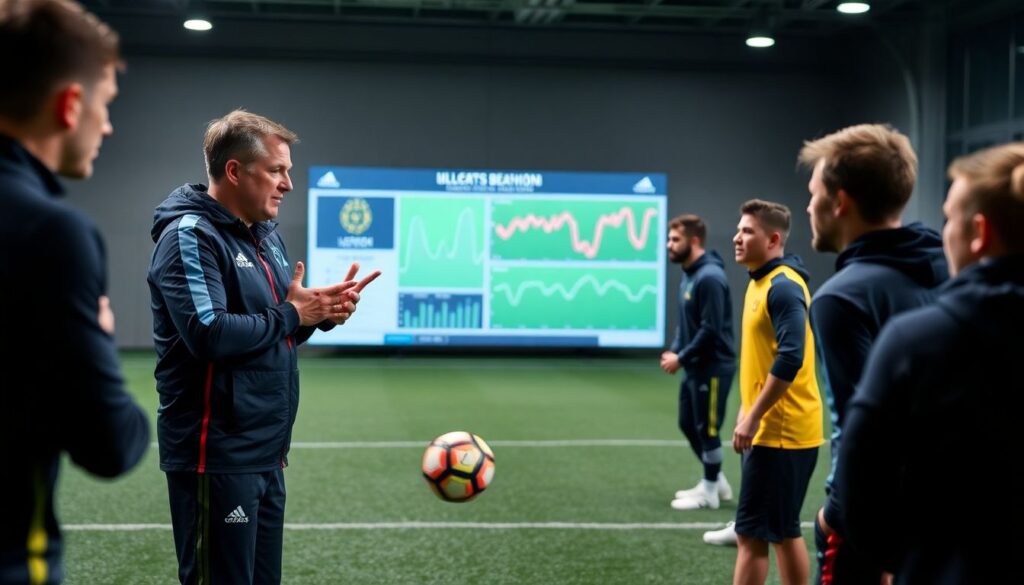
Consider a former national-team captain who moves into club management. Drawing on experiences against elite European opposition, he pushes for better sports science, data use and youth integration. Within a few seasons, the club sells several academy products to strong European teams, showing how one career can change an institution’s direction.
Quick Practical Tips for Following Turkish Legends Today
- Watch full-match replays of key Champions League ties featuring Turkish stars to understand their decision-making, not just their highlights.
- Compare domestic league performances with European nights to judge consistency and adaptability.
- Track how current Turkish players abroad are described by foreign media to see how perceptions have evolved since these earlier legends.
Self-Check: Are You Grasping Their True Global Impact?
- Can you explain the difference between early pioneers and modern exports in terms of risk, visibility and tactical roles?
- Do you distinguish clearly between club icons and national-team heroes when assessing legacies?
- Can you name at least three Turkish players whose Champions League performances boosted Turkey’s football reputation?
- Are you able to connect specific players to tactical trends (pressing, playmaking, defensive organisation)?
Clarifications and Practical Notes
How is “top 10” defined in this context?
Here, “top 10” focuses on players whose influence went beyond Turkey, shaping perceptions in major European leagues, continental competitions and international tournaments. It prioritises global impact and legacy over pure domestic statistics.
Why are some famous domestic scorers not included?
Some prolific scorers in the Süper Lig had limited exposure or impact in European competitions or foreign leagues. The list emphasises those who tangibly affected world football narratives, not only local record-holders.
Do modern players already match earlier legends?
Several current Turkish internationals are on that path, but their careers are still unfolding. Early pioneers and established legends have the advantage of completed careers, making their long-term influence easier to evaluate.
How important is Champions League performance for legacy?
Champions League impact is crucial because it offers a shared reference point for fans and analysts worldwide. Consistent performances there often carry more weight than isolated domestic achievements when assessing global standing.
Can a player be a legend without leaving Turkey?
Yes, but such a player’s legend is usually more national than global. To influence world football discussions, playing or excelling against top European opposition is a major advantage.
What should I watch to understand these players better?
Focus on complete matches from major tournaments, key European ties and decisive league games rather than only highlight reels. This reveals their off-ball work, leadership and tactical understanding.
How do these legends affect today’s young Turkish players?
They serve as role models and proof that Turkish players can succeed at the highest level. Their career paths influence academy training, transfer strategies and the ambitions of emerging talents.