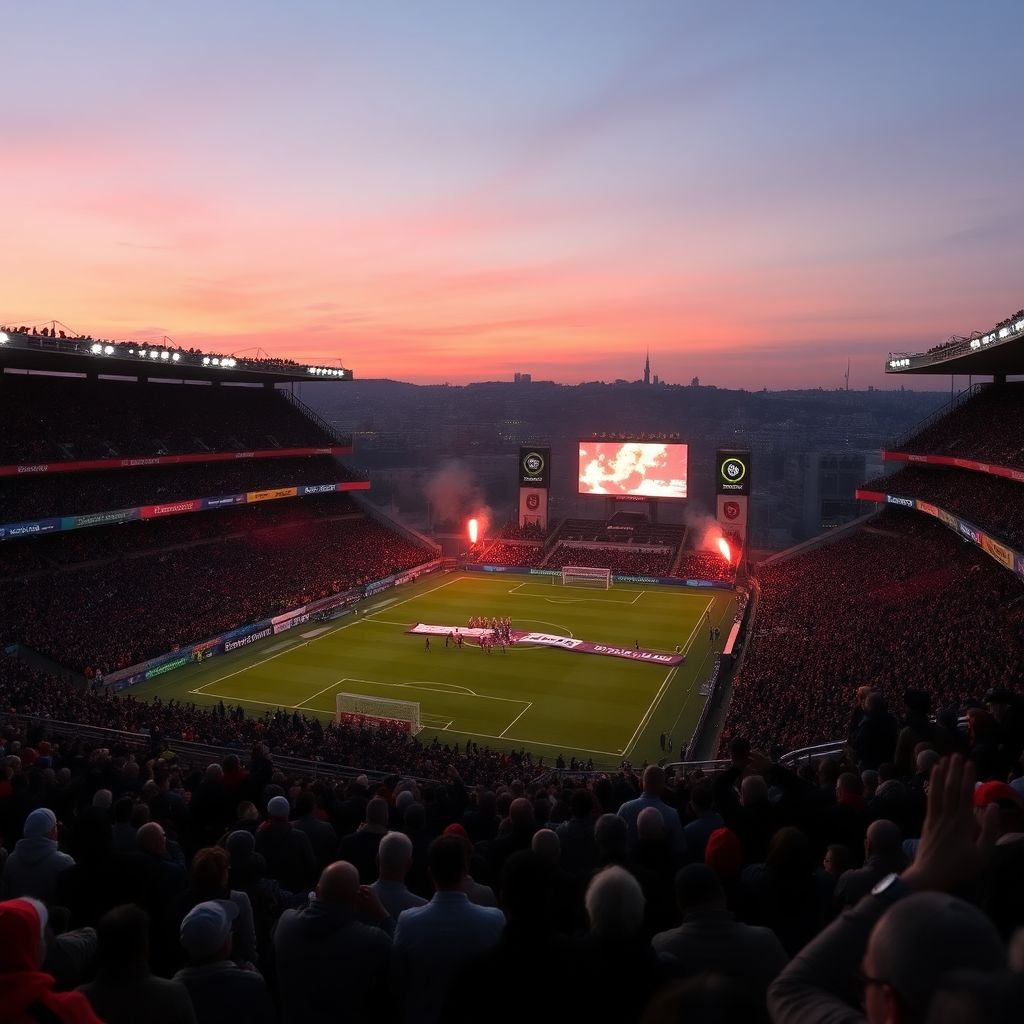
Turkish football rivalries are long-running competitions between clubs that mix sport, city identity and everyday life, with Galatasaray-Fenerbahçe at the centre and Beşiktaş, Trabzonspor and regional powers adding layers. Understanding how these derbies formed, what they symbolise and how they are experienced helps fans, travellers and analysts read Turkish football culture beyond ninety minutes.
Rivalry snapshot: what matters most
- Galatasaray-Fenerbahçe is the flagship derby, but Istanbul’s rivalry triangle with Beşiktaş and several regional clashes form a broader ecosystem.
- Politics, class, geography and education all feed into how fans choose sides and live these rivalries in Turkey.
- Derbies shape league titles, careers, media narratives and even daily conversations at work or in the café.
- Buying Galatasaray Fenerbahce derby tickets or arranging hospitality is not only logistics; it is entering a charged social ritual.
- Historical incidents, transfers and scandals constantly reframe how each fan base sees itself and its opponents.
- Outside Istanbul, rivalries help express regional pride, especially on the Black Sea and in central Anatolia.
Debunking myths about Turkish derbies
Turkish derbies are often reduced to pure hatred or chaos from the outside, but that view misses their structure and rules. A derby in Turkey is a repeated, emotionally loaded fixture, usually between clubs from the same city or region, with shared history and overlapping social worlds.
Myth one: “It is only about Galatasaray and Fenerbahçe.” In reality, the Galatasaray-Fenerbahçe clash is the most visible, yet it sits among a network of rivalries: Galatasaray-Beşiktaş, Fenerbahçe-Beşiktaş, Trabzonspor against the Istanbul clubs, and strong provincial tensions. Focusing exclusively on one derby hides how the Turkish Super Lig is woven from many local battles.
Myth two: “Derbies are always dangerous and should be avoided.” Risk exists, and security is tight, but most Galatasaray Fenerbahce derby tickets are used by regular families, students and office workers. Behavioural codes, police planning and club coordination have evolved, and for most attendees the day is intense but structured, not uncontrolled chaos.
Myth three: “You must be born into a side.” Many fans inherit club loyalties, yet people also switch or adopt a club when moving city, starting university or marrying into a different football family. For some international viewers who only ever watch Galatasaray vs Fenerbahce live stream broadcasts, allegiance can grow gradually, shaped by favourite players, style of play or even colours.
The making of Galatasaray-Fenerbahçe: origins and evolution
The Galatasaray-Fenerbahçe rivalry did not appear fully formed; it took shape step by step and changed with Istanbul itself. Key layers include:
- Founding stories and identities
Galatasaray SK grew out of an elite high school environment linked to the old city; Fenerbahçe SK emerged from a more local, Kadıköy-based community on the Asian side. These contrasting roots still colour fan stereotypes and chants today. - Early competition for local dominance
From the first decades, both clubs wanted to be Istanbul’s main football reference. Every derby became a statement of who represented the city’s football future, pushing the rivalry beyond a simple neighbours’ dispute. - National league and media age
With the creation of a central league and the rise of mass television, their meetings became nationwide events. Commentators, newspapers and later online platforms amplified each incident, turning individual matches into shared national memories. - European adventures and prestige
European campaigns added another dimension: results abroad were compared, and each side framed itself as Turkey’s “true” representative. This made derbies a referendum on prestige: not just who wins on Sunday, but who carries Turkish football’s image. - Commercialisation and matchday experiences
As the game commercialised, demand grew for everything from standard seats to Galatasaray Fenerbahce derby hospitality packages. Corporate boxes, premium lounges and branded fan zones turned the derby into a full-day experience for local companies, sponsors and football tourists. - Digital era and global audience
Online platforms now allow neutral fans across Europe and the Middle East to watch Galatasaray vs Fenerbahce live stream feeds legally. This global viewership influences kick-off times, broadcast styles and even how clubs communicate in English and other languages.
Mini-scenario – new fan in Istanbul: You move to Istanbul for study or work. Colleagues invite you to your first derby on the Asian side. Understanding this evolution helps you see why songs, banners and pre-match rituals matter as much as the final score.
Socio-political fault lines behind Istanbul rivalries
Istanbul rivalries are not party-political programmes, but they sit on real social and spatial divides that make every big game symbolically heavy.
- European vs Asian side identities
Galatasaray and Beşiktaş have deep roots on the European side; Fenerbahçe’s base is on the Asian side. Crossing the bridge on derby day is more than transport: it dramatises daily commutes, housing choices and where people feel they “belong”. - Education and class markers
Galatasaray historically carried an elite-school image; Beşiktaş is often seen as more bohemian or oppositional; Fenerbahçe mixes local neighbourhood pride with middle-class respectability. These images are not strict truths but provide powerful storylines that fans repeat and adapt. - State, establishment and dissent
Clubs are regularly framed in public talk as closer to, or further from, perceived “centres of power”. Over time, some fan groups have become symbols of protest, while others are associated with institutional continuity. This affects chants, banners and even media treatment. - Migration and neighbourhood change
Internal migration into Istanbul reshaped who lives near each stadium. New fans bring Anatolian customs, changing matchday atmospheres. This gives derbies a layer of negotiation between long-term locals and newcomers about what “authentic” support looks like. - Consumer choices and lifestyle
Buying kits, scarves or deciding to buy Galatasaray Fenerbahce merchandise online is not just shopping. It signals lifestyle preferences: some see themselves as traditionalists buying from local club shops, others use official e-commerce, and some choose street vendors outside the stadium.
Mini-scenario – workplace tensions: In a mixed office in Istanbul, derby week changes the tone of meetings. Knowing these fault lines helps a manager set ground rules: playful banter is fine, targeted insults or political references are not, protecting team cohesion after the final whistle.
Defining matches, records and a comparative table
Over time, certain Galatasaray-Fenerbahçe games have become shorthand for whole eras, and fans carry unofficial “records” in their heads: historic comebacks, title deciders, sequences of dominance. These memories keep the rivalry alive even in quieter seasons.
Because exact statistics change every season, it is more useful here to focus on how landmark matches function than on fixed numbers. The table below sketches different types of defining encounters and how they reshape fan narratives across the big three of Istanbul.
| Fixture type | Clubs involved | Typical competition context | What makes it defining | Long-term rivalry impact |
|---|---|---|---|---|
| Title-deciding derby | Galatasaray vs Fenerbahçe | Turkish Super Lig, late-season clash | One side effectively secures the championship directly against their main rival. | Becomes a reference point in songs; remembered whenever Turkish Super Lig big match tickets Galatasaray Fenerbahce Besiktas are discussed. |
| High-scoring thriller | Fenerbahçe vs Beşiktaş | League or domestic cup | Multiple lead changes, dramatic late goals, controversial refereeing. | Used to argue about “attacking DNA” and referee bias for years afterwards. |
| Symbolic “turning point” | Galatasaray vs Beşiktaş | Transition seasons, new coach era | New tactical style or coach becomes accepted thanks to a convincing derby win. | Fans reframe earlier doubts and retell the match as the start of a new cycle. |
| Regional statement game | Trabzonspor vs Galatasaray | League match in Trabzon | Black Sea crowd creates intense atmosphere; home win resists Istanbul dominance. | Strengthens idea of Trabzon as the capital of football outside Istanbul. |
| Cup upset at neutral venue | Any two of the big three | Domestic cup semi-final or final | Underdog on form eliminates a favoured rival at a shared stadium. | Reminds fans that form and motivation can override budget and squad depth. |
How defining matches help and where they mislead
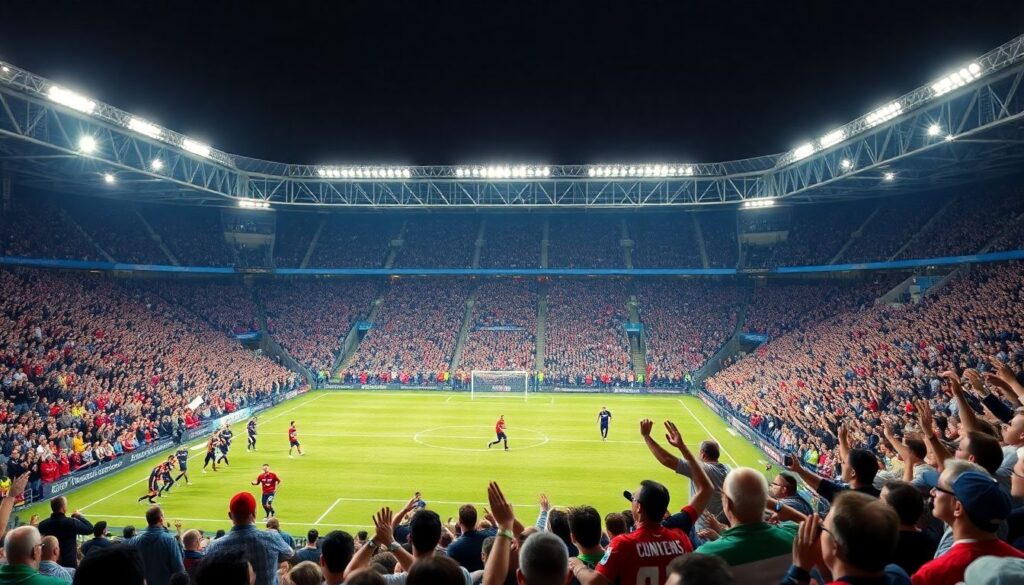
What these matches clarify:
- They crystallise club identities: brave underdog, dominant champion, comeback experts.
- They offer vivid teaching tools for tactics, mentality and crowd influence.
- They provide shared cultural references across generations of fans.
- They motivate clubs to invest in players, coaches and infrastructure to “respond” next time.
Where relying on them is limiting:
- Focusing only on a few famous games hides gradual tactical or financial changes.
- Media narratives from those nights can oversimplify complex social dynamics.
- Fans may freeze rivals’ images based on outdated matches, ignoring current realities.
- Ticketing, safety and hospitality around these blockbusters differ from ordinary games, so they are not a full guide to weekly fan culture.
Mini-scenario – planning a derby trip: You are choosing which Galatasaray Fenerbahce derby tickets to buy for a first visit. Instead of chasing only the “hottest” fixture, you balance atmosphere and comfort, maybe coupling a big match with a quieter league game to see everyday supporter life.
Transfers, scandals and off-pitch flashpoints
Not all rivalry-defining moments happen during play. Transfers, boardroom decisions and public arguments constantly shift how fans perceive each other.
- Crossing the divide as a player or coach
When a key figure moves directly between rival clubs, supporters feel betrayed or vindicated. These switches often create new nicknames, songs and gestures, and can overshadow actual on-pitch contributions for years. - Match-fixing allegations and governance crises
Investigations, court cases and federation decisions do more than alter tables; they recast who sees whom as “clean” or “protected”. Each fan base rewrites rivalry history through its own reading of these episodes. - Media wars and social media storms
TV shows, newspapers and fan accounts intensify small remarks into big controversies. A single interview, tweet or post can be replayed endlessly before the next derby, raising tension around stadiums and online forums. - Commercial battles and symbolism
Kit deals, stadium naming rights and campaigns to buy Galatasaray Fenerbahce merchandise online become arenas of competition. Fans compare shirt designs, sponsor prestige and sales buzz as another scoreboard. - Sanctions and fan bans
Closed-doors punishments or away-fan restrictions shape the lived experience of rivalry. Hosting a derby without rival supporters changes the match’s soundscape and alters what “home advantage” means.
Mini-scenario – social media moderation: You manage a bilingual fan page. During a scandal, you set clear rules: share verified information, avoid personal attacks, and separate criticism of institutions from harassment of ordinary fans, keeping the space usable before and after the derby.
Rivalries beyond Istanbul: regional narratives and identities
While Istanbul’s big three dominate attention, rivalries across Turkey create distinct local football cultures. These matches allow cities and regions to express pride, frustration and belonging in relation to the centre.
Common non-Istanbul patterns include:
- Regional capitals vs Istanbul giants
Clubs from major provincial cities often treat home matches against Galatasaray, Fenerbahçe or Beşiktaş as annual “finals”, with extra choreography, local sponsors and civic involvement. - Neighbourhood and city derbies
In some Anatolian towns, two local clubs contest identity: who truly represents the city, its history and its youth academies. - Historical and cultural links
Some rivalries lean on shared dialects, folk traditions or migration routes, turning away games into festivals where relatives host opposition fans.
Mini-scenario – building a matchday plan outside Istanbul:
Imagine you are a neutral fan travelling through Turkey. You have three days in a regional city and want to experience local football culture without the intensity of a mega-derby.
- You check the fixture list and pick a home game where the local side hosts an Istanbul club, using official channels similar to Turkish Super Lig big match tickets Galatasaray Fenerbahce Besiktas.
- You arrive early, walk around the stadium area, visit club museums or shops, and compare prices and designs before you buy Galatasaray Fenerbahce merchandise online later.
- You observe how local chants mention Istanbul teams, how banners refer to regional pride and how families, ultras and casual fans share the space.
- After the game, you reflect on how this atmosphere differs from the capital’s derbies and what it reveals about centre-periphery relations in Turkish football.
Quick answers to common rivalry puzzles
Why is Galatasaray-Fenerbahçe considered the central Turkish football rivalry?
It combines long history, geographic contrast between Istanbul’s European and Asian sides, frequent title implications and huge media coverage. This mix makes the derby a national event, even when the league table is tight with other contenders.
How can a visitor safely experience a major Istanbul derby?
Buy tickets only from official or club-approved sources, arrive early, follow police and steward instructions and avoid wearing rival colours in mixed areas. Staying with local friends or a guided group helps you read the mood around the stadium.
Is it possible to enjoy the rivalry only via TV and online platforms?
Yes. Many fans abroad follow Turkish derbies by choosing legal services to watch Galatasaray vs Fenerbahce live stream broadcasts, joining online communities and learning songs and stories. You still experience intense emotions, even without being in the stadium.
Do all Turkish fans support one of the big three clubs?
No. Many fans support regional teams first and treat Istanbul clubs as rivals or secondary interests. Some neutrals simply follow good football and big occasions such as the major derbies without strong long-term allegiance.
What is the role of merchandise in these rivalries?
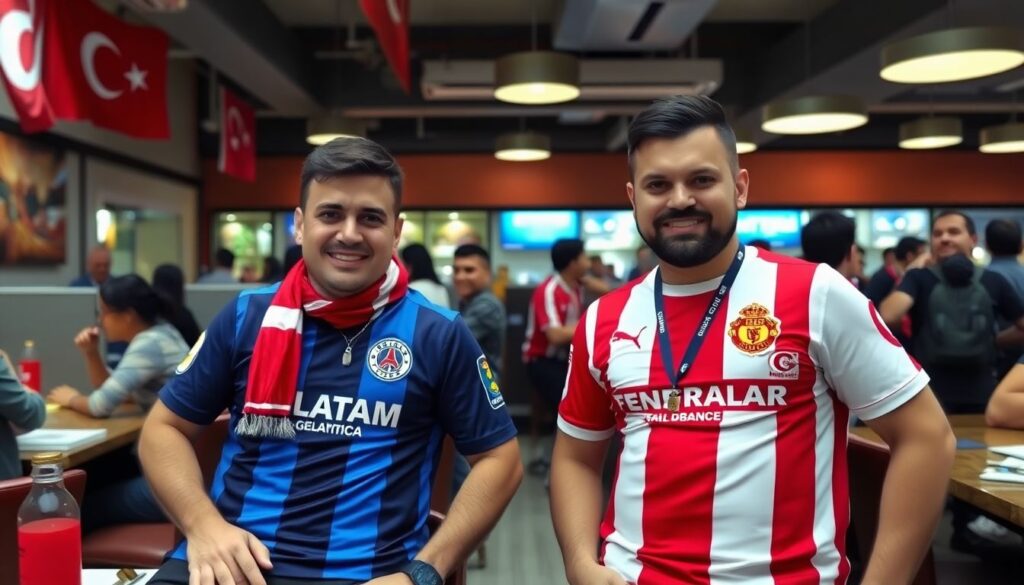
Merchandise signals identity and loyalty. Supporters buy official products in shops or choose to buy Galatasaray Fenerbahce merchandise online to display colours at work, school or in cafés, and collections often grow around specific derby wins or anniversary seasons.
Are hospitality packages only for corporate guests?
No. While many Galatasaray Fenerbahce derby hospitality packages are sold to companies, small groups of friends or families sometimes choose them for greater comfort, catering and safety, especially for their first big-match experience in Istanbul.
Do regional rivalries matter as much as Istanbul derbies?
For local communities they can matter just as much, sometimes more. Matches against Istanbul giants or neighbouring cities concentrate regional pride, and stadium atmospheres on these days can rival the capital’s big fixtures in intensity.