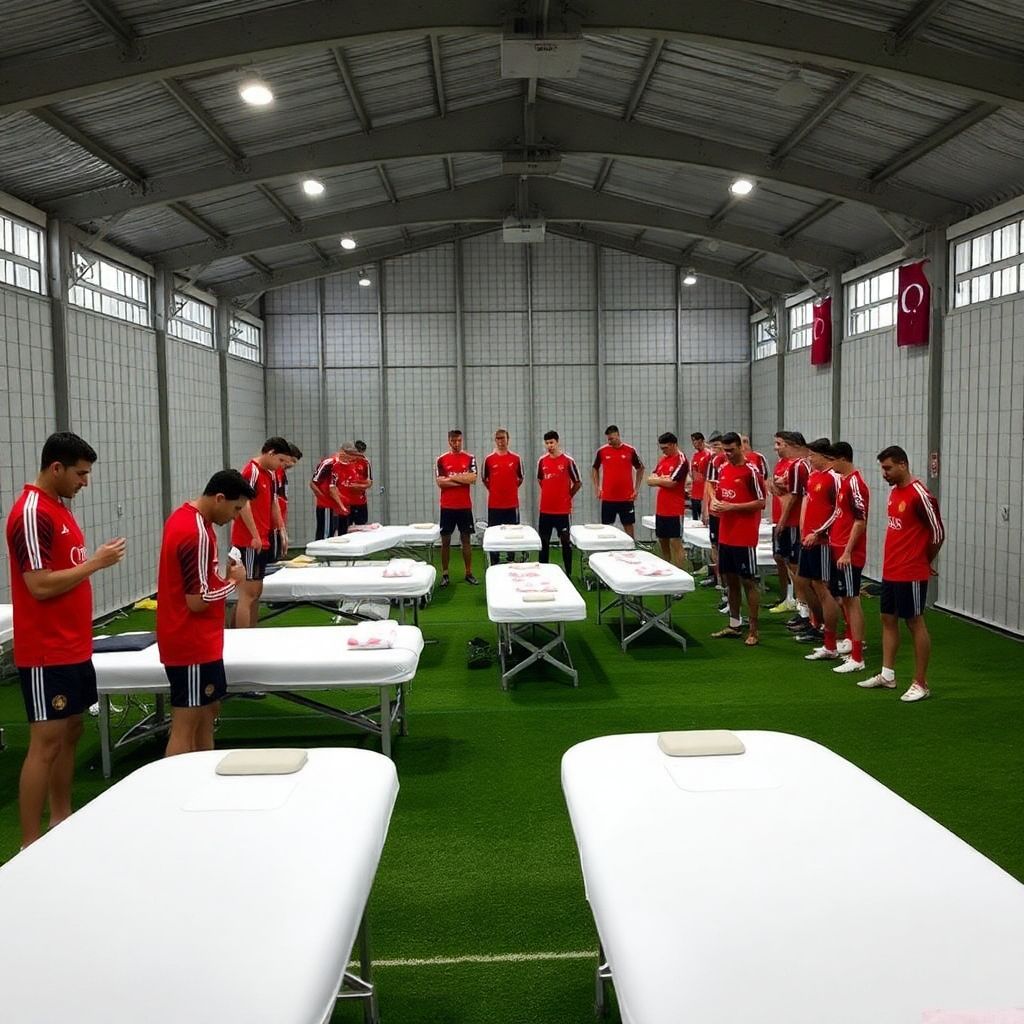
A Turkish national team camp is an intensive, closed‑door environment where the best available Turkish players gather to prepare physically, tactically, and mentally for specific matches or tournaments. Behind the scenes, every day is scripted around data, recovery, and team cohesion, balancing immense public pressure with professional, measurable routines.
Myths and Realities of a Turkish National Team Camp
- Myth: Invitations are decided in one phone call the night before; reality: selection follows long‑term scouting, data tracking, and systematic staff meetings.
- Myth: Players just “run and play”; reality: each Turkey national football team training camp follows a strict load, recovery, and nutrition plan.
- Myth: Tactics are improvised on matchday; reality: video, set‑piece drills, and controlled simulations dominate the schedule.
- Myth: Media pressure is handled individually; reality: there are coordinated communication rules and mental support practices.
- Myth: Logistics are secondary; reality: accommodation, food, sleep, and travel are treated as performance tools.
- Myth: Coaches simply give speeches; reality: leadership is structured through feedback loops, role clarity, and daily micro‑meetings.
How Players Are Chosen: Scouting, Metrics, and Politics
Myth: “The coach just picks his friends and big‑club stars.” In reality, selection for a Turkey national football team training camp is a long, layered process that mixes live scouting, data reports, and positional needs for each specific opponent or tournament window.
The process usually starts months before a major event such as Turkey national team Euro 2024 preparation. Club matches are tracked systematically: minutes played, injuries, game intensity, and positional versatility. Analysts feed this into regular staff meetings where a long list becomes a short list, then a final squad, plus standby players.
Metrics matter, but they are not only about goals and assists. Coaches look at high‑intensity runs, pressing actions, defensive duels, and how a player fits the team’s game model. Character is also evaluated: training habits, discipline, and how a player has behaved in previous camps or, when relevant, in Turkey national team players interviews and stories.
Perceived “politics” enter when difficult trade‑offs appear: for example, keeping a slightly out‑of‑form leader for dressing‑room stability, or preferring a young talent who fits the future project. These are football decisions more than pure favoritism, and they are openly debated in staff meetings, not decided by external pressure.
Training Blueprint: Periodization, Load Management, and Recovery
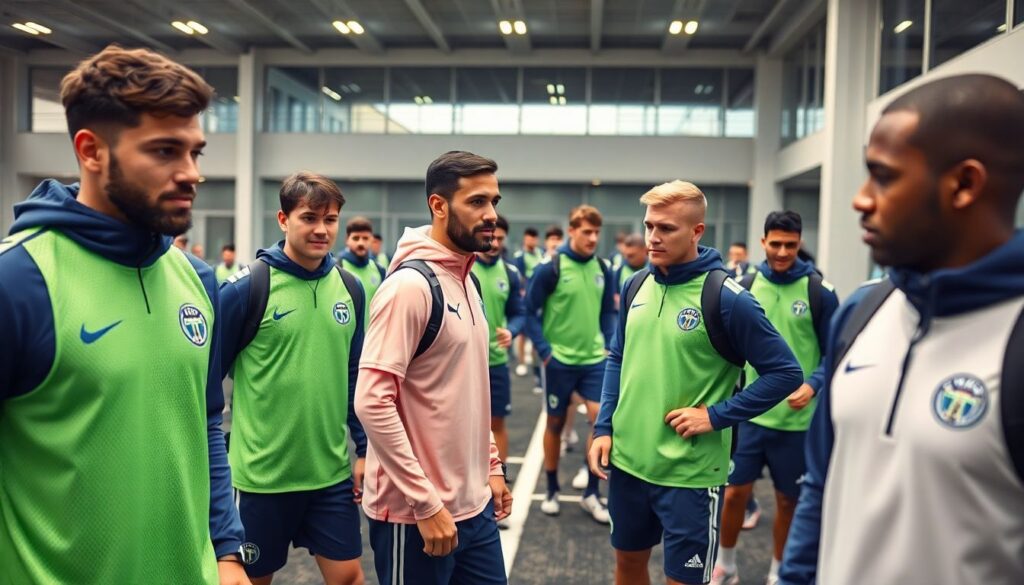
Myth: “Camp is just running until you are dead tired.” In practice, national‑team training is a compressed micro‑season, built on periodization so players peak on matchdays, not in the middle of camp.
- Entry and assessment day: Players arrive, complete medical checks, wellness questionnaires, and low‑intensity activation. Staff evaluate fatigue from club matches to set initial loads.
- Building rhythm: The next one or two days focus on short, sharp sessions with the ball, small‑sided games, and limited volume. This helps align tactical habits while protecting players who just played heavy minutes.
- Peak tactical and physical loading: Middle days feature the most intense work: full‑pitch tactical games, pressing drills, and unit work. GPS and heart‑rate data are monitored to keep players within target zones.
- Set‑piece and speed tuning: As matches approach, volume decreases but intensity remains high. Attention shifts to sprints, reaction work, and repeated rehearsals of corners, free‑kicks, and pressing triggers.
- Pre‑match tapering: The final session is short and controlled. Focus is on rhythm, confidence, and clarity of roles rather than fitness gains, which are impossible at this late stage.
- Recovery and regeneration: After games, there are tailored sessions: light work for starters, more intense top‑ups for substitutes. Ice baths, massages, and mobility sessions are standard.
- Continuous monitoring: Every morning, staff review data and player feedback to adjust individual loads, a detail often missed in simplified Turkish national football team news and analysis.
Tactical Workshops: Video Analysis, Set-Pieces, and Match Simulation
Myth: “The coach just draws arrows on a board before kick‑off.” Modern camps use structured tactical workshops, where video, field work, and match simulation build a shared mental picture of the game plan.
- Opponent video briefings: Analysts prepare short clips of the opponent’s build‑up, pressing, and key players. These are shown in team meetings, similar to what fans imagine when watching a behind the scenes Turkey national team documentary, but much more focused and data‑driven.
- Unit‑based sessions: Defenders, midfielders, and attackers often break into separate groups. Each unit works on specific patterns: defensive line behavior, midfield pressing traps, or movements for crosses and cut‑backs.
- Set‑piece laboratories: Corners, free‑kicks, and throw‑ins are rehearsed repeatedly. Roles are fixed: blockers, runners, screeners, and second‑ball players. Opponent trends (for example, zonal vs man‑marking) dictate the chosen routines.
- Match simulations: Training games are organized with specific constraints: starting from goal‑kicks, defending with one player less, or playing under high pressing. This tests the plan under stress similar to real competition.
- Individual clips and feedback: Some players receive private video sessions to correct body orientation, pressing angles, or decision‑making. These micro‑adjustments connect what is seen in video to what must be done on the pitch.
- Rapid tactical updates: During tournaments, new video and data arrive after every match. Game plans are updated quickly, and the next day’s meeting turns that information into clear, actionable rules.
Managing Pressure: Media, Expectations, and National Identity
Myth: “Players either handle pressure or they do not.” In reality, pressure around the national team is managed through structured rules and support mechanisms, especially in a passionate football culture.
- Strengths of structured pressure management:
- Clear media protocols: designated interview days and agreed spokespersons prevent distraction and reduce misunderstandings.
- Group messaging: staff repeat the same key themes about performance, effort, and unity, reinforcing a shared narrative about representing the country.
- Mental‑skills support: breathing routines, visualization, and pre‑match habits are taught, not left to chance.
- Structured contact with family and social media rules, to protect focus without fully isolating players.
- Limits and challenges of these methods:
- National identity can become a double‑edged sword: pride can turn into fear of failure if not framed correctly.
- External commentary from pundits, old legends, and constant Turkish national football team news and analysis cannot be fully controlled.
- Social media reactions reach players instantly, and even short Turkey national team players interviews and stories can be taken out of context.
- In major tournaments, such as during Turkey national team Euro 2024 preparation, the volume of attention multiplies, stretching staff capacity to respond.
Camp Logistics: Nutrition, Accommodation, and Daily Routines
Myth: “As long as the hotel is 5‑star, performance is guaranteed.” In reality, small logistical errors can undo good training, while simple routines can maximize recovery and focus.
- Misconception: All food in camp is equally performance‑friendly. Reality: buffet‑style eating leads to mistakes; players need portion guidance, timing plans, and clear options before and after sessions.
- Misconception: Any quiet hotel is fine. Reality: details like mattress type, blackout curtains, and noise control affect sleep quality, especially after late kick‑offs.
- Misconception: Long meetings show seriousness. Reality: overloaded meeting schedules increase mental fatigue; concise, well‑timed meetings improve retention and freshness.
- Misconception: Free evenings should be completely unstructured. Reality: light, shared activities help team bonding; fully unplanned time can fragment the group or encourage too much screen time.
- Misconception: Travel days are “rest” days. Reality: flights, buses, and time changes stress the body; movement snacks, hydration plans, and stretching blocks are required.
- Misconception: Media days do not affect performance. Reality: long filming sessions, even for a behind the scenes Turkey national team documentary, can drain energy if they clash with key recovery windows.
Coaching Dynamics: Leadership, Communication, and Building Cohesion
Myth: “The coach just motivates with one big speech.” Effective leadership in camp is built from many small, repeatable behaviors that create clarity, trust, and cohesion.
Coaching teams usually divide responsibilities: one focuses on defensive organization, another on attacking patterns, another on set‑pieces, supported by analysts and fitness coaches. Daily micro‑meetings align their messages so that the player hears the same logic from every staff member, not mixed instructions.
Communication is multi‑level. Group talks set overall direction, unit talks translate this into role‑specific tasks, and one‑to‑one conversations deal with emotions, expectations, or role acceptance. This layered approach helps players understand not only what to do, but why it matters for the team.
Short algorithm to check if a camp is working (simplified, but practical):
- Define clear performance goals before camp: physical targets, tactical principles, and minimum standards for behavior.
- Collect daily data: training loads, wellness scores, and short coach observations after each session.
- Compare match performance with planned identity: did the team show agreed pressing, compactness, and attacking patterns under real pressure?
- Review player feedback within 24-48 hours after the window: ask what helped or hurt their performance and cohesion.
- Adjust the next camp plan: keep what worked, redesign what failed, and align communication so media narratives reflect real progress.
When this loop runs consistently, even external observers following Turkish national football team news and analysis can start seeing patterns from one camp to the next, turning raw passion into repeatable performance.
Clarifying Misconceptions About National Team Camps
Do coaches really decide the squad at the last minute?
No. The long list is monitored for weeks, sometimes months, especially before big events. Fitness, recent form, and tactical fit are discussed in multiple meetings before the final Turkey national football team training camp squad is announced.
Are tactics actually different from what players do at their clubs?
Yes, but they are built on club habits. National‑team coaches adjust pressing heights, build‑up patterns, and set‑pieces to the specific opponent and available players rather than copying any single club model.
Is Euro or tournament preparation mostly about fitness camps?
No. In modern football, players arrive from their clubs already fit. For example, during any Turkey national team Euro 2024 preparation period, most work focuses on tactical cohesion, role clarity, and recovery from congested club calendars.
Do cameras in documentaries show the full reality of camp life?
They show selected moments. A behind the scenes Turkey national team documentary cannot include confidential tactical meetings, medical information, or sensitive conversations, so the overall picture is always partial.
Why do some training sessions look very light in videos?
Short or low‑intensity sessions often appear on public footage because they are safer to show. The most detailed tactical and set‑piece work is usually closed to cameras and fans.
How do players cope with constant media and fan pressure?
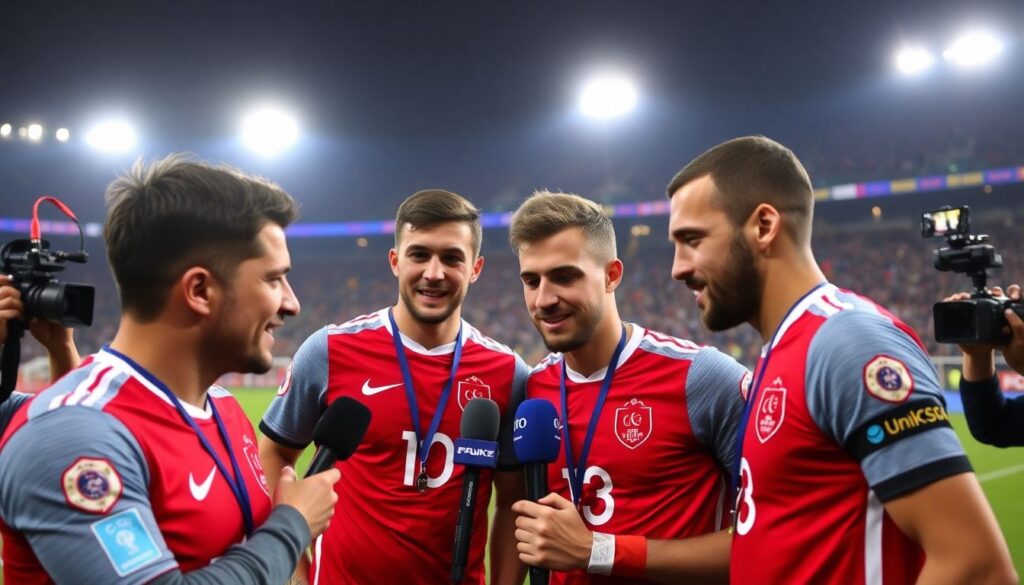
There are agreed media rules, mental‑skills routines, and support from staff. Still, individual resilience varies, and emotional impact can be seen later in Turkey national team players interviews and stories when players talk about decisive games.
Is passion enough to win at international level?
Passion is essential for national identity, but without structured planning, clear tactics, and smart load management, it turns into frustration. Modern success blends emotion with disciplined, repeatable processes.