Where women’s football in Turkey stands today

Women’s football in Turkey is in a transition phase: no longer a pure amateur niche, but not yet a fully mature ecosystem. The top league has semi‑professional characteristics, with uneven club budgets, patchy youth pipelines and fluctuating attendance. Big brands like Galatasaray or Fenerbahçe raise visibility, yet financial planning, sports science and governance remain fragile outside the largest cities. Compared with established markets in England or Germany, Turkey still lacks dense regional leagues and systematic talent identification, which slows performance gains and makes long‑term career planning risky for many players.
Global picture: accelerating growth, uneven foundations

Worldwide, women’s football has moved from a “social project” to a commercial product. World Cups break attendance records, women’s football tickets sell out for top fixtures, and major broadcasters compete for rights. At the same time, the global landscape is highly fragmented: the NWSL in the US and top European leagues are trending toward full professionalism, while many federations in Africa, Asia or Eastern Europe still operate with minimal budgets. This duality creates both an aspirational benchmark for Turkey and a warning about growing competitive gaps and player migrations.
Different development models: comparing approaches
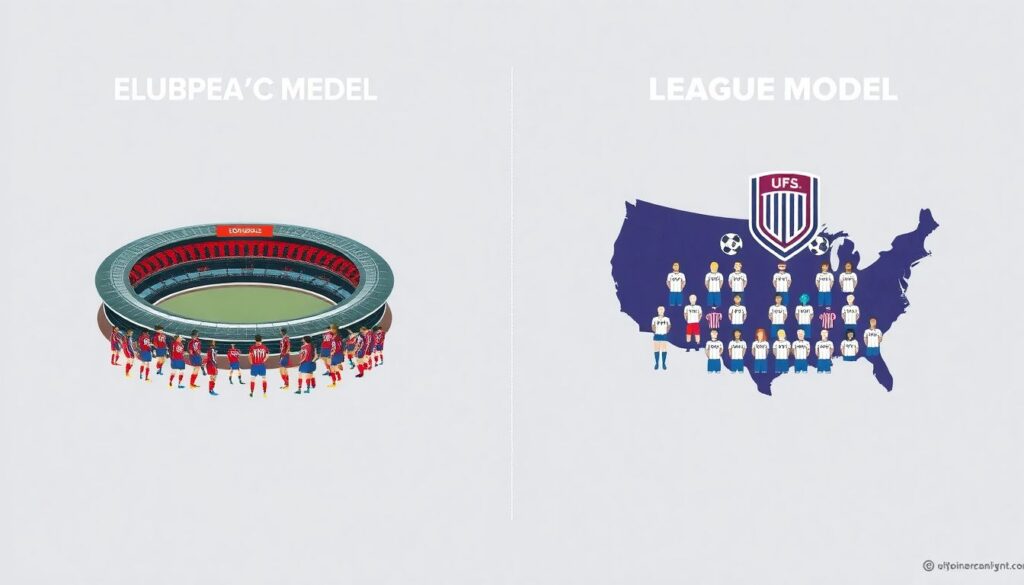
You can roughly see three dominant models. The “club‑driven” model, popular in Europe, bolts women’s teams onto powerful men’s brands, leveraging shared infrastructure and marketing to accelerate growth. The “league‑centric” model, as in the US, focuses on a stand‑alone professional league with its own identity and collective bargaining. Finally, the “federation‑led” model, more common in emerging markets like Turkey, relies heavily on national federation subsidies and regulations. Turkey currently mixes the first and third models, but the balance still tilts toward top‑down decisions rather than autonomous club or league strategies.
Turkey vs established leagues: what really differs
Compared with England’s WSL or Spain’s Liga F, Turkish clubs typically under‑invest in scouting, sports analytics and medical support, which limits return on even modest budgets. Revenue diversification is weaker: women’s football jerseys, sponsorships and match‑day activations are still treated as side projects, not strategic assets. Also, collective bargaining and players’ unions are less influential, so minimum standards on contracts, maternity policies or concussion protocols evolve more slowly. Paradoxically, this means Turkey can leapfrog some legacy issues by importing best practices, if stakeholders decide to move in sync.
Technology in women’s football: streaming, data and more
Technology is rapidly reshaping visibility and performance. Women’s football streaming on dedicated OTT platforms or club apps bypasses traditional TV gatekeepers and gives niche leagues global reach. On‑pitch, GPS trackers, video analysis and injury‑prevention algorithms refine training loads and tactical preparation. However, in Turkey many clubs still lack integrated data pipelines: GPS data may be collected but not systematically analyzed, and performance metrics rarely inform contract decisions. Without coherent analytics workflows, the tech becomes expensive decoration rather than a competitive advantage, especially for resource‑constrained teams.
Pros and cons of commercial tech: tickets, betting, fan data
On the commercial side, dynamic pricing for women’s football tickets, CRM systems and mobile wallets can grow revenue per fan, yet they also raise concerns around data privacy and algorithmic bias in marketing outreach. Women’s football betting markets, while adding visibility and sponsorship cash, bring integrity risks: smaller leagues with low salaries are more vulnerable to match‑fixing pressure. Regulators in Turkey will have to balance betting‑related income with strict monitoring, whistleblower channels and education programs, or technological monetisation could undermine public trust in women’s competitions.
Youth development: academies as the real growth engine
A sustainable ecosystem requires dense youth structures rather than a few star clubs. The concept of a specialized women’s football academy Turkey is crucial here: standardized coaching curricula, sports psychology, nutrition and dual‑career counseling can stabilize player pathways. Compared with Germany’s DFB‑run centres of excellence, Turkish academies are still heterogeneous in methodology and facilities. Investing in coach education, talent mapping in smaller provinces and school‑club partnerships is often more cost‑effective than chasing marquee signings, especially for federations with constrained budgets and political cycles.
Fan culture, merchandising and identity
Fan engagement in women’s football follows slightly different logics from the men’s game. Families, younger audiences and first‑time stadium visitors are a larger share of the crowd, which changes expectations around security, pricing and in‑stadium experience. If clubs design specific product lines of women’s football jerseys, scarves and digital collectibles, they can build a distinct brand narrative rather than copying men’s aesthetics. In Turkey, leveraging local symbols, regional pride and inclusive messaging could turn women’s teams into community anchors, rather than peripheral appendices to the men’s departments.
Recommendations: choosing the right strategic mix
For Turkey, blindly copying England’s hyper‑commercial model or the US franchise approach would be risky. A pragmatic mix makes more sense: federation‑set minimum standards to prevent a race to the bottom, club autonomy in commercial strategy, and league‑level governance to manage media rights and scheduling. Priorities should be: robust licensing criteria, transparent financial reporting, and incentives for investment in youth and sports science. On the tech front, clubs should first master basic data literacy and medical protocols, then gradually adopt more advanced analytics and automation tools.
Trends toward 2026: what to watch
By 2026, several trajectories are likely. First, further consolidation of media rights around global platforms will make women’s football streaming a key visibility driver; Turkish clubs that localize content and subtitles can expand beyond diaspora audiences. Second, pressure for pay equity and better working conditions will intensify, pushing federations to codify maternity, mental health and anti‑harassment safeguards. Third, AI‑driven scouting will widen the market for Turkish players abroad, but also intensify competition at home, forcing clubs to professionalize operations or risk permanent second‑tier status.