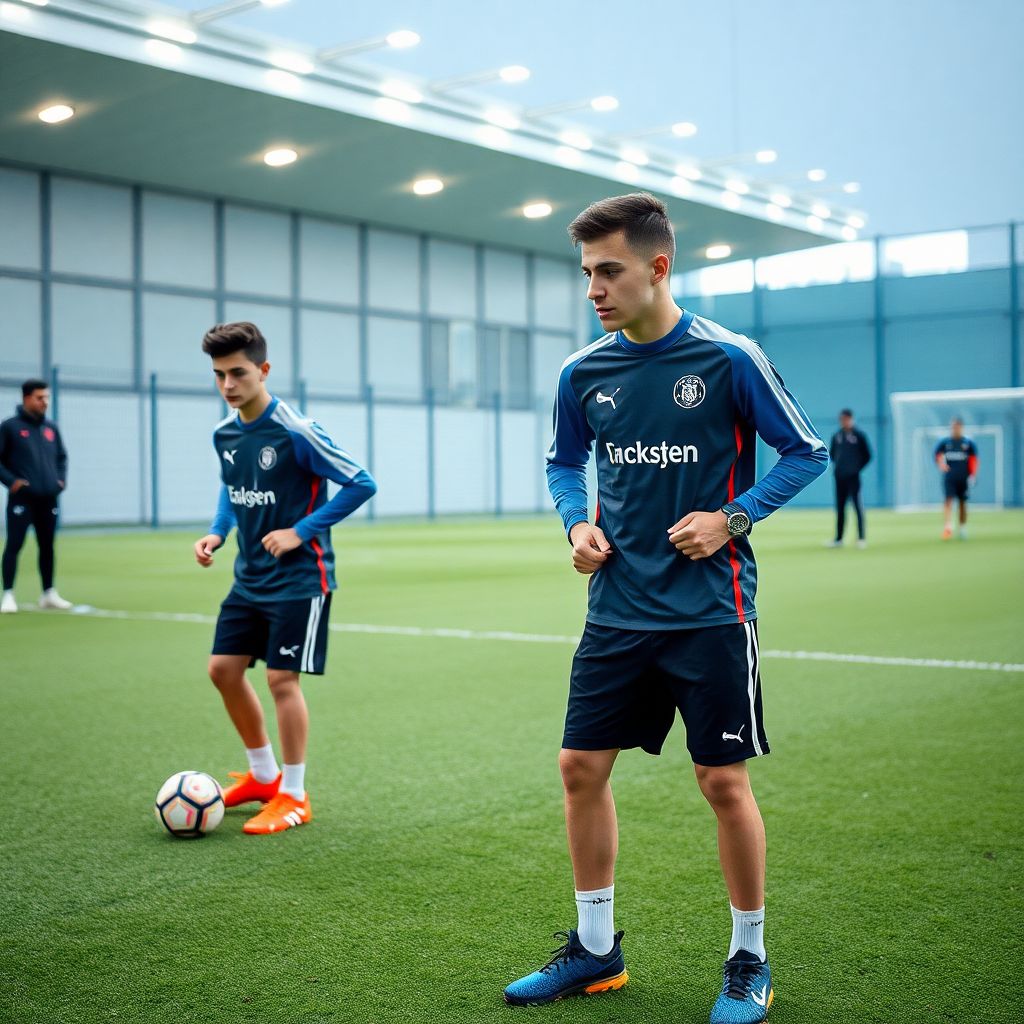
Turkey’s youth academies are reshaping European football by supplying technically strong, tactically flexible and relatively affordable players, supported by federation-led programs and better facilities. For European clubs, Turkish prospects offer a middle ground between top‑priced Western talent and higher‑risk emerging markets, combining solid coaching structures, strong motivation, and growing experience with international competitions and cross‑border development pathways.
What to remember about Turkey’s youth development model
- Turkey youth football development programs now blend club academies, federation initiatives and private schools into one national pipeline.
- Big Istanbul clubs set the benchmark, but strong regional academies reduce scouting costs for European teams.
- Modern coaching, video analysis and data tools lower adaptation risk for Turkish players abroad.
- Economic pressure forces Turkish clubs to sell earlier, creating value for European buyers.
- For European clubs, integrating Turkish academy graduates is relatively easy compared with more chaotic markets, but cultural and tactical adaptation must be managed.
Historical evolution of youth development in Turkey
Turkey’s youth development model shifted from ad‑hoc local talent spotting to more structured systems built around professional clubs, federation regulations and national training centers. Historically, most stars emerged from informal street football and local amateur teams before being picked by major clubs at a late age.
Over time, top Super Lig clubs recognized that relying on late recruitment was expensive and inconsistent. They started formal academies, introduced age‑group teams, and built clearer pathways into their first squads. This change allowed the best turkish football academies for youth to compete more directly with European standards in terms of coaching, facilities and education support.
Federation regulations and incentives then pushed smaller clubs to invest in youth development rather than focus only on foreign transfers. Today, turkey youth football development programs form a layered system: elite academies at big clubs, improving regional setups, and private schools feeding candidates into both domestic and turkey football academy trials in europe.
As more academy graduates moved to mid‑tier European leagues and succeeded, European clubs scouting turkish youth players began to see Turkey as a stable, semi‑local market: close in distance and culture to Europe, but with lower initial transfer fees and higher development upside.
Organizational models: clubs, federation programs and private academies
The current structure is a mix of overlapping models that can look complex from the outside but is relatively straightforward to navigate for European partners.
- Club academies (big‑club model) – Major Super Lig clubs run vertically integrated academies from early grassroots to U19, with unified playing principles and clear contracts. For European clubs, these are the most convenient partners: documentation is professional, video is available, and data on players is relatively robust.
- Club academies (regional and lower‑league clubs) – Smaller clubs invest less in facilities but often have strong community links and large local talent pools. Their players are cheaper to sign and often more open to moves abroad, but scouting information can be less complete.
- Federation‑run programs and regional centers – Federation initiatives identify promising kids early, invite them to centralized training camps, and track them through youth national teams. This creates a “quality stamp” that European clubs can use to reduce risk when evaluating unknown players.
- Private academies and football schools – Private centers focus on skills training, language learning and trial preparation. Many market themselves to families asking how to join professional football academy in turkey, acting as a bridge between raw talent and formal club structures. Convenience is high for families, but quality varies widely.
- School and university partnerships – Some academies connect with schools and universities to balance education with football. This makes long‑term adaptation easier for players who may later move to foreign leagues and need academic or language support.
- Agency‑driven satellite groups – Certain agencies manage groups of academy‑age players, arranging friendly matches, exposure tournaments and even turkey football academy trials in europe. This pathway is convenient for European clubs that prefer dealing with one structured intermediary rather than dozens of separate academies.
Coaching philosophy, scouting and talent-identification methods
Turkey’s academies increasingly mirror modern European coaching philosophies, but with their own tactical and cultural nuances that matter when evaluating fit.
- Position‑specific technical training – Many academies emphasize ball control, first touch and positional skills rather than only physicality. This approach reduces adaptation risk for European clubs, because players arrive with a skill set already compatible with possession‑based systems.
- High‑intensity, competitive mentality – Domestic derbies, strong fan culture and high media attention create pressure even at youth levels. Graduates are used to emotionally charged environments, which is useful for European clubs scouting turkish youth players for leagues with intense atmospheres.
- Data‑assisted scouting and video analysis – Top academies use video platforms and basic performance data for both internal evaluation and external showcasing. For European scouts, this improves convenience: matches can be reviewed remotely, and standardized clips make comparisons easier across players.
- Hybrid talent‑identification (street + structured) – Turkey still benefits from a strong informal football culture, while also operating organized youth leagues. Scouts often combine watching grassroots tournaments, school events and regional leagues, which increases the chance of uncovering late developers and non‑traditional profiles.
- Focus on versatility and role flexibility – Because academy teams often have mixed tactical demands and different coaches at each age level, players learn to cover multiple positions. In Europe, such versatility lowers risk: if a player cannot break in at his primary role, coaches can test him in alternative positions.
- Character and resilience screening – With more young players leaving abroad, some academies now evaluate language skills, family support and psychological resilience. This makes it easier for European clubs to assess which prospects will adapt to new countries and systems with minimal support.
Facilities, sports science and technology investments
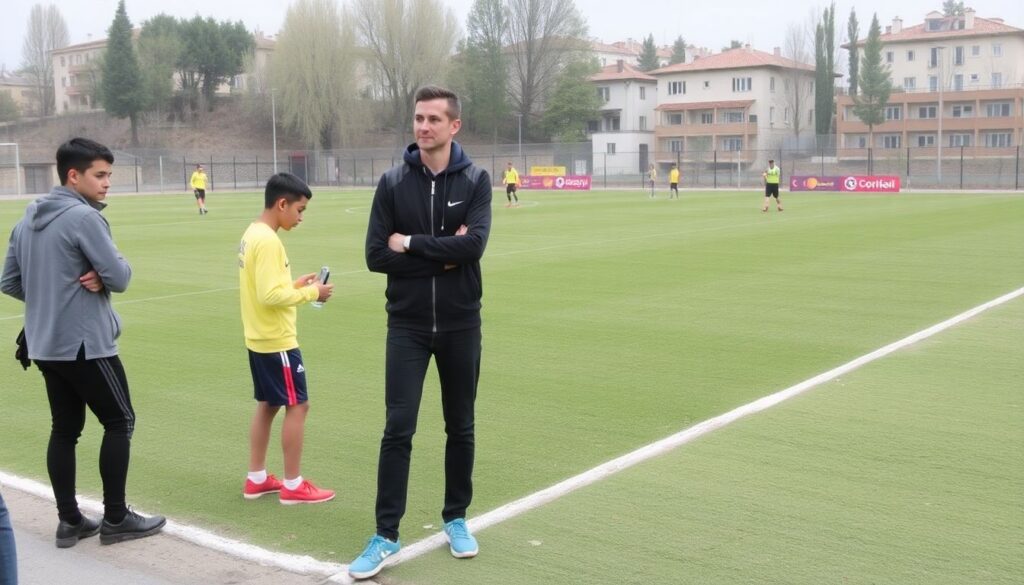
Infrastructure in Turkey is uneven: top academies approach European standards, while smaller clubs and private schools may still rely on more basic setups. From a European club’s perspective, this means both opportunities and risks when projecting long‑term development curves.
Strengths and advantages in the current setup
- Leading academies offer purpose‑built training centers, multiple pitches, gyms, rehab rooms and dedicated analysis spaces, allowing systematic physical and tactical development.
- Increased use of GPS trackers, video platforms and wellness monitoring aligns with European norms, making performance data easier to interpret and compare.
- Medical and physiotherapy support is improving, so injuries and workloads are tracked more carefully, reducing the risk of hidden chronic issues in potential signings.
- Investment in indoor facilities and artificial pitches means training continuity in winter, which supports consistent technical work for younger age groups.
Constraints, inconsistencies and risk factors
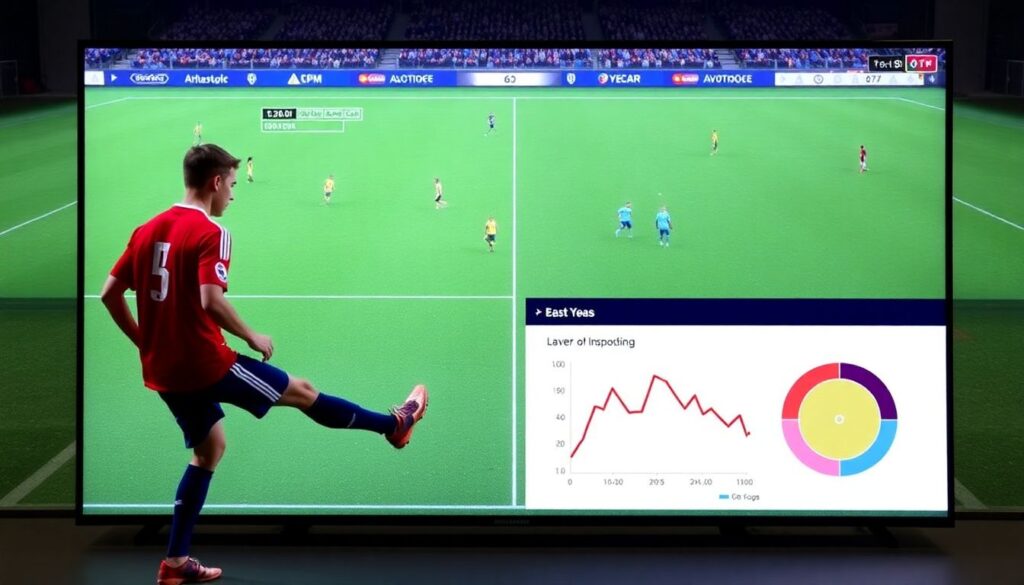
- Smaller academies often lack full‑time sports scientists, so conditioning programs can be less tailored, increasing uncertainty about a player’s long‑term physical ceiling.
- Some private academies market advanced technology but apply it inconsistently, so European evaluators must verify whether data reflects real training quality or only showcases.
- Facilities quality can vary widely even within the same city, which means two players of similar age and talent may have experienced very different training environments.
- Not all academies systematically track growth, maturation and injury history, making it harder to forecast physical development and future availability.
Pathways to European football: transfers, loans and strategic partnerships
Pathways from Turkish academies to European clubs have multiplied, but they come with recurring misunderstandings and myths that both sides must manage carefully.
- Myth: Turkish players cannot adapt tactically to Europe – Modern academy graduates grow up with exposure to European leagues, video analysis and mixed tactical styles. The real challenge is matching club philosophy and role, not a lack of understanding. Structured inductions and clear tactical roles greatly reduce adaptation risk.
- Myth: Only direct transfers from big clubs work – While high‑profile examples come from major academies, many successful moves start with smaller clubs or co‑ownership structures, then loans to stepping‑stone leagues. Over‑prioritizing “big name” academies may cause clubs to overpay and ignore better‑value options.
- Mistake: Rushing players straight into top‑five leagues – For some profiles, a gradual path through mid‑tier European competitions or partner clubs is safer. Strategic loans preserve confidence, ensure minutes and reduce the risk of early stagnation.
- Mistake: Ignoring off‑field adaptation plans – Clubs that treat transfers purely as technical decisions often see promising players struggle with language, lifestyle and family separation. European clubs that prepare mentoring, language support and integration programs usually unlock better performance from Turkish youngsters.
- Myth: Trials in Europe are always a shortcut – Many families chase turkey football academy trials in europe believing they are faster routes to success. In reality, without strong local development first, trials rarely lead to contracts. A strong base in a recognised Turkish academy plus targeted exposure is a safer, lower‑risk route.
- Mistake: Underestimating regulatory and visa issues – Even for nearby markets, work‑permit rules, non‑EU quotas and youth protection regulations can slow or block moves. Structured partnerships and pre‑planned loan options reduce this friction.
Economic effects on clubs and competitive balance in Europe
Turkish academies increasingly function as value‑creation engines, helping clubs stabilize finances while influencing transfer dynamics across Europe. When a club develops and sells an academy graduate, it can reinvest in facilities, coaching and scouting, reducing dependence on short‑term foreign signings.
From a European perspective, Turkish youth systems create a mid‑cost, mid‑risk market segment between expensive Western academies and less regulated environments elsewhere. Clubs can target technically developed players at reasonable prices, then use loans and performance‑based contracts to manage remaining uncertainty.
A simple way to think about the economic logic is:
Net value = (Transfer fee + future sell‑on) − (Training cost + integration risk)
Strong, well‑organized Turkish academies lower both training cost (for the buying club) and integration risk, which improves net value. As more European clubs scouting turkish youth players act on this logic, demand concentrates on the academies perceived as best turkish football academies for youth, encouraging further investment and raising the overall standard of turkey youth football development programs.
Quick self-checklist for European clubs assessing Turkish academy talent
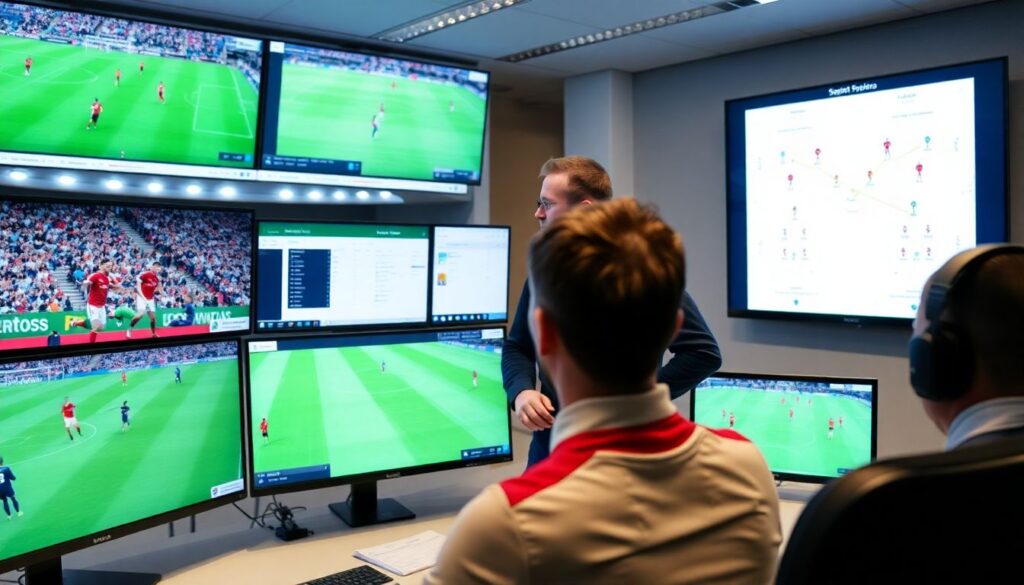
- Have you verified the academy’s coaching qualifications, facilities and sports‑science support, not just its reputation?
- Do you have recent match video and objective data for the player across at least one full season?
- Is there a clear tactical role for the player in your squad, with a realistic minutes plan?
- Have you prepared a concrete adaptation plan (language, mentor, housing, education) for the first 12 months?
- Do contract and pathway scenarios (loans, step‑up clauses, sell‑ons) realistically reflect both performance upside and risk?
Practical questions on integrating Turkish academy graduates
How reliable is the technical level of graduates from top Turkish academies?
Graduates from leading club academies usually have solid technical bases and familiarity with modern tactical concepts. Reliability improves when the player has consistent minutes in domestic youth leagues or second teams; always cross‑check with recent full‑match footage, not only highlight clips.
What should European clubs check first when scouting in Turkey?
Start with the academy’s structure, coaching staff and competition level, then verify age, injury history and training environment. Prioritize players with stable playing time, clear position profiles, and references from coaches who have worked with them for more than one season.
Are Turkish academy players better suited for certain European leagues?
Because they often combine technique, intensity and emotional resilience, many adapt well to physically demanding but tactically flexible leagues. Fit depends more on club style and role clarity than on country alone, so map the player’s strengths directly onto your tactical model.
How can smaller European clubs reduce risk when signing from Turkey?
Use structured trials integrated into your own training week, performance‑based contracts, and initial loans rather than immediate key roles. Cooperate closely with the original academy on adaptation and development plans to maintain continuity in the player’s progression.
What red flags should recruiters watch for in Turkish academy prospects?
Large gaps in match minutes, repeated non‑specific injuries, unclear position identity and unrealistic expectations from families or intermediaries are common warning signs. Also be cautious when data or video provided by private academies cannot be verified against official competition records.
How important is language ability when bringing a Turkish youngster to Europe?
Basic English or the destination language significantly speeds up tactical understanding and social integration. Lack of language is not a deal‑breaker, but clubs should plan targeted language support from day one and choose mentors who can bridge communication early.
Can direct applications from players or families be useful for recruitment?
Sometimes, but only when supported by verified club references, match footage and clear playing histories. Treat such contacts as initial leads, then move quickly to structured scouting, background checks and in‑house assessments before making any commitments.