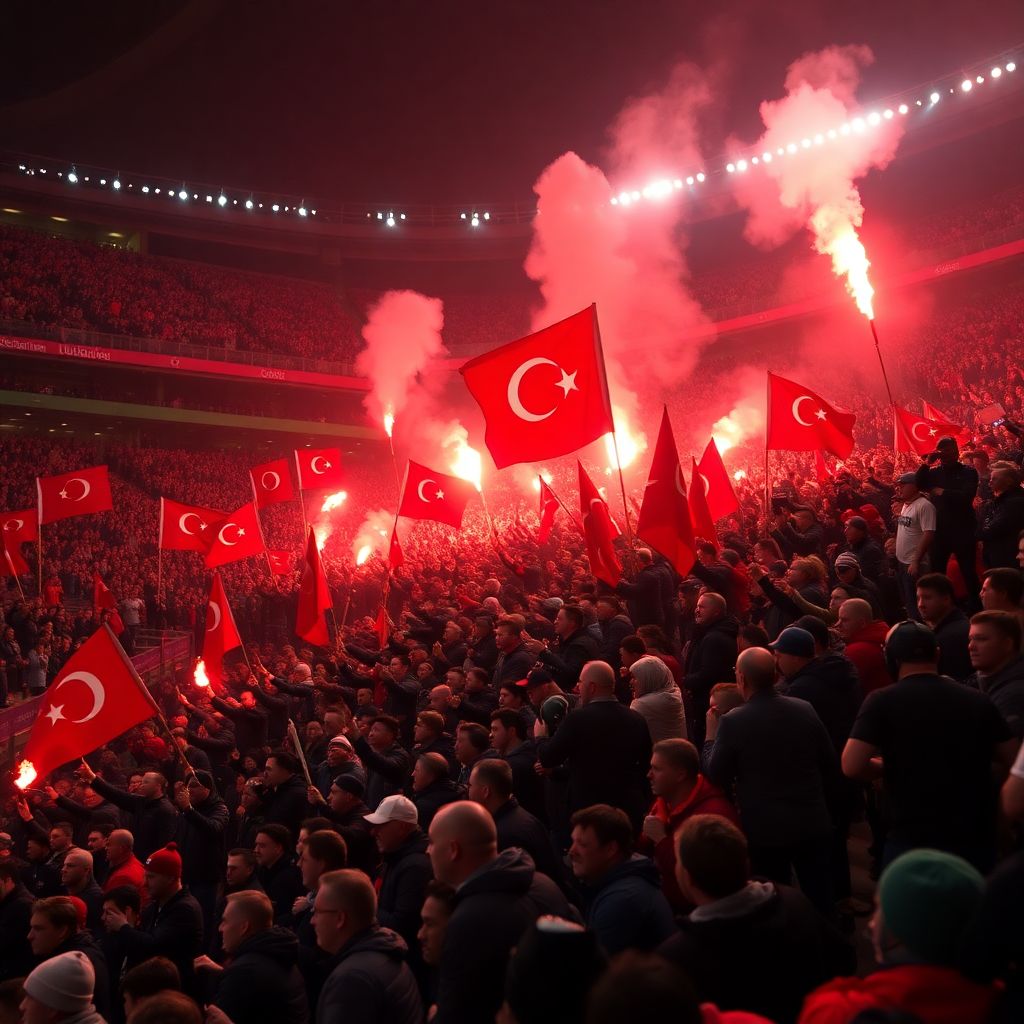
Ultras and organized fan groups in Turkey shape football culture by controlling stadium atmosphere, symbols, and sometimes street politics; if you want to understand Turkish football beyond the pitch, then you must study these groups’ history, internal rules, rituals and their shifting alliances with clubs, police, political actors and commercial tourism.
Myths and Realities about Turkish ultras
- If you assume ultras in Turkey are only violent hooligans, then you miss their role as choreographers of atmosphere, community organisers and sometimes social activists.
- If you think all groups are the same, then you overlook big differences between, for example, Galatasaray, Fenerbahçe and Beşiktaş fan cultures and local neighbourhood roots.
- If you believe clubs totally control ultras, then you ignore how groups can pressure club boards, influence coaching decisions or organise boycotts.
- If you see turkey football fan tours matchday experience as “just tourism”, then you underestimate how ultras set the tone that visitors consume and copy.
- If you think politics stay outside the stadium, then you misunderstand how Turkish ultras have historically mobilised around protests, elections and local conflicts.
- If you reduce ultras to cheap tickets and noise, then you miss the economics of merchandising, travel, and Istanbul derby vip tickets galatasaray vs fenerbahce packages that now market their image.
Historical Roots of Organized Support in Turkey
If you want to grasp the current role of ultras, then start with the social history of Istanbul and other big cities, where early supporter groups formed around neighbourhoods, student circles and local political identities long before “ultra” became a fashionable label.
If you look at early Galatasaray-Fenerbahçe rivalries only as sports competition, then you miss how these clubs expressed different social classes, educational backgrounds and urban spaces, helping supporters see football as a way to defend their community’s honour.
If you treat the modern Istanbul stadium as an isolated entertainment venue, then you ignore decades of fan marches, street confrontations and stadium relocations that shaped how supporters feel about “home”, from İnönü to Kadıköy to Ali Sami Yen and its successors.
If you are organising a football culture tour istanbul stadium visits and fans events, then grounding your narrative in this history will help guests understand why certain chants, flags or colours still carry emotional and political weight.
Structure, Leadership and Internal Codes of Ultras Groups
If you want to interact responsibly with Turkish ultras, then you need to know how their internal structure usually works and which unwritten rules you must respect.
- If you see only one big “curve”, then remember most groups are layered: core leaders, trusted organisers, active singers, wider regulars and occasional visitors, each with different status.
- If you think leadership is always democratic, then you misread reality; many groups use informal hierarchies where long-standing members or charismatic figures decide slogans, actions and relations with the club.
- If you try to film or photograph close-up without asking, then you may violate internal privacy norms designed to protect members from police and media exposure.
- If you plan to bring a banner, then you must clear its design and message with group leaders, because coordination of visual displays is central to their identity.
- If you want to join pre-match gatherings, then go with a trusted local, respect instructions on when to chant, move or stay silent, and never improvise chants from rival groups.
- If you are a club official or sponsor, then treating ultras as a monolithic “fan base” rather than a network of sub-groups will likely produce miscommunication and failed agreements.
Rituals, Chants, Banners and Visual Language
If you are evaluating the cultural impact of Turkish ultras, then analyse their ritual calendar: matchdays, anniversaries, commemorations of tragedies and politically charged dates all come with distinct chants, tifo and street activities.
If you attend a derby after buying turkey football tickets galatasaray fenerbahce ultras sections, then expect highly coordinated vocal performance: long, continuous chants, call-and-response with capos, and moments of total silence used as dramatic tools.
If you see a stadium only as seats and pitch, then you miss how banners, two-sticks, giant flags and pyrotechnics create a visual script that tells stories about heroes, enemies, cities and values.
If you want to buy turkish football club merchandise ultras scarves as a visitor, then understand that some scarf designs show group logos, historic slogans or political symbols that communicate membership to insiders.
If you design promotional material around ultras imagery, then be aware that copying specific chants, graffiti styles or emblems without consent may be read as disrespect or commercial exploitation.
| Aspect | Typical Ultras Approach in Turkey | Typical Casual Fan Approach |
|---|---|---|
| Match preparation | Organised meet-ups, marches, choreo planning | Arrive shortly before kick-off, little coordination |
| Chanting | Continuous, structured, led by capos | Spontaneous, often only in big moments |
| Visuals | Banners, flags, tifos tied to group identity | Occasional flags and standard club scarves |
| Club relationship | Negotiation, pressure, sometimes cooperation | Mainly ticket and merchandise consumer |
Political Alignments, Activism and Street Power
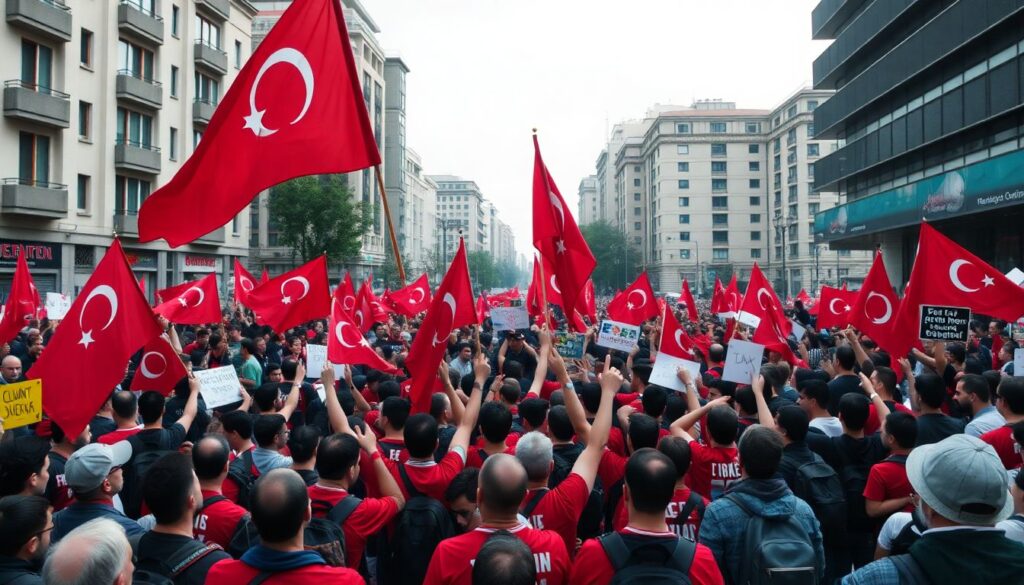
If you assume “it’s just football”, then you underestimate how ultras in Turkey can mobilise quickly for protests, charity campaigns or neighbourhood defence, using the same communication and logistics they apply to away trips.
If you overlook political diversity inside a single group, then you may misjudge internal tensions between different ideological wings that still unite under the same colours on matchdays.
Potential contributions and leverage
- If local causes align with group values (for example, helping earthquake victims), then ultras can raise funds, distribute aid and attract media attention far faster than many formal NGOs.
- If a civic campaign uses stadium language and symbols respectfully, then ultras may support it by displaying banners or chanting messages during high-visibility games.
- If politicians attempt to instrumentalise fan groups, then ultras can still flip the script, using rallies and meetings to demand accountability from mayors, MPs or club-linked businessmen.
- If neighbourhood safety is at risk, then some groups informally patrol or “protect” their areas, for better or worse, replacing or competing with formal security forces.
Risks, limits and unintended consequences
- If political actors pour resources into certain groups, then rivalries can escalate from symbolic to physical clashes, including outside stadiums and on non-match days.
- If clubs ignore political expressions in the stands, then they may later face sanctions or reputational damage when chants or banners cross legal red lines.
- If state authorities respond with broad repression rather than targeted dialogue, then distrust between ultras and police deepens, making de-escalation on matchdays much harder.
- If media consistently glamorise violent episodes, then younger fans may conflate “real support” with risk-taking rather than creative, non-violent passion.
Club Relationships: Negotiation, Patronage and Commercialization
If you want to understand club governance in Turkey, then you must see ultras as political actors who negotiate access, influence and resources, not just as paying customers.
- If you think free tickets alone will secure loyalty, then you ignore that respect, consultation and transparency around club decisions often matter more for group leaders.
- If a board tries to weaken one group by supporting a rival subgroup, then internal conflicts can spill into the stands, reducing home advantage and damaging the club’s public image.
- If marketing departments use ultras aesthetics for global campaigns, then failing to share benefits or credit may trigger boycotts, protest choreography or silence during key matches.
- If you design turkey football fan tours matchday experience products or an istanbul derby vip tickets galatasaray vs fenerbahce package, then collaborating with trusted fan representatives can make the offer authentic instead of a staged spectacle.
- If clubs over-rely on security bans and passolig restrictions to “solve” conflicts with ultras, then frustration may move from stadiums to training grounds, club headquarters or directors’ private lives.
Security, Policing and Matchday Risk Management
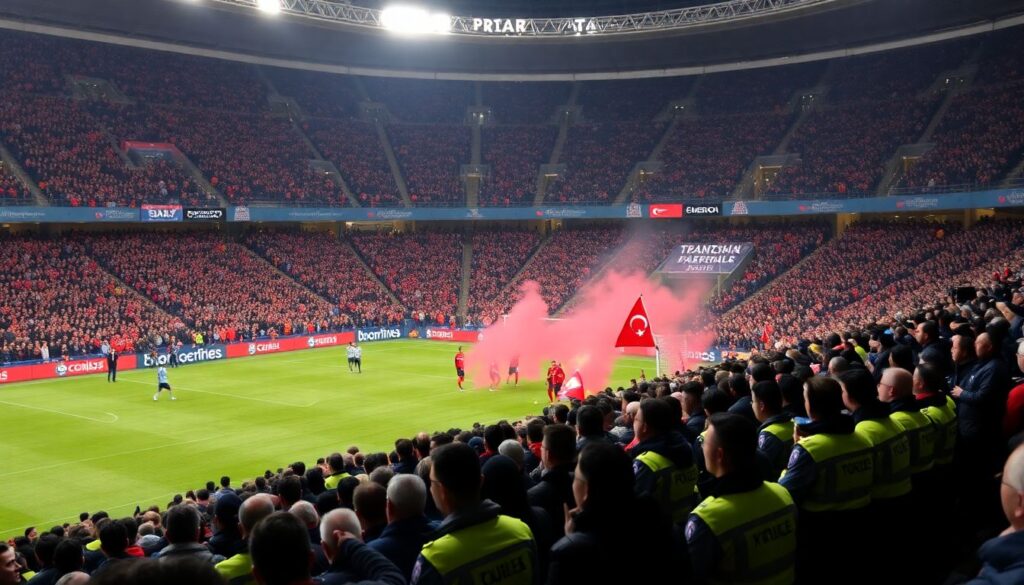
If you are planning to attend a high-risk match in Turkey, then treat security as a shared ecosystem where ultras, police, stewards, clubs and transport authorities all influence your personal safety and experience.
If you choose a ticket in or near the hardcore end, then be ready to stand, sing and follow group rhythm; if you want a calmer view, then select neutral or family sections instead of ultra areas.
If authorities coordinate early with group leaders, then pre-match marches, pyro use and away-fan arrivals can be managed to reduce clashes around stations, squares and side streets.
If you join a football culture tour istanbul stadium visits and fans itinerary, then ask organisers how they handle route planning, entry timing and seating to avoid being unintentionally placed in high-tension blocks.
Illustrative mini-scenario: Istanbul derby day
If we map a typical risk-aware plan for a visitor on derby day, then a simple sequence can help:
IF you buy turkey football tickets galatasaray fenerbahce ultras section
THEN:
  - Arrive early and follow local group to stadium,
  - Avoid wearing rival colours near their gathering points,
  - Keep cameras low when tension rises,
  - Leave either just before final whistle with locals
    OR wait 20-30 minutes after the main crowd disperses.
If instead you buy in a neutral or VIP block, then use official club or tour channels, respect stadium rules on alcohol, banners and filming, and plan your transport with extra time in case police temporarily close certain metro stations or roads.
Practical questions on engagement, legality and safety
Is it safe for foreigners to attend matches with ultras in Turkey?
If you stay with experienced locals, follow their guidance and avoid provocative behaviour or rival colours, then attending with ultras can be intense but manageable; choose top-flight derbies with organised security rather than poorly controlled lower-division grudge games.
How should I behave if I am placed in an ultras section by mistake?
If you find yourself there unexpectedly, then stay calm, avoid filming faces, follow when others stand or chant, and never react to rival fans; if you feel overwhelmed, then speak quietly to a steward at half-time about moving.
Can I bring my own banner or flag to a Turkish stadium?
If you want to bring any material, then check club regulations and clear designs with local groups where possible; avoid political slogans, religious insults, or phrases used by rival ultras, as these can trigger conflict or lead to confiscation.
Are Turkish ultras always involved in violence or illegal activities?
If you only watch sensational media coverage, then it may seem so, but most matchdays pass without serious incidents; many groups also organise charity drives and social projects that rarely make headlines.
What is the best way to learn about a group’s rules before engaging?
If you are new, then read local forums, social media channels and fan blogs, and when in doubt, ask a trusted local fan to explain norms around clothing colours, chants and photo etiquette.
How do commercial tours interact with ultras culture?
If a tour company works transparently with clubs and respects fan spaces, then it can offer close but safe contact; if it tries to stage artificial “ultra shows”, then it risks disrespecting real groups and confusing visitors.
Is buying ultras-style merchandise legal for visitors?
If you buy items from official club shops or clearly licensed stalls, then it is legal; if you purchase from unknown street vendors, then quality, legality and the message you send to locals may all be uncertain.