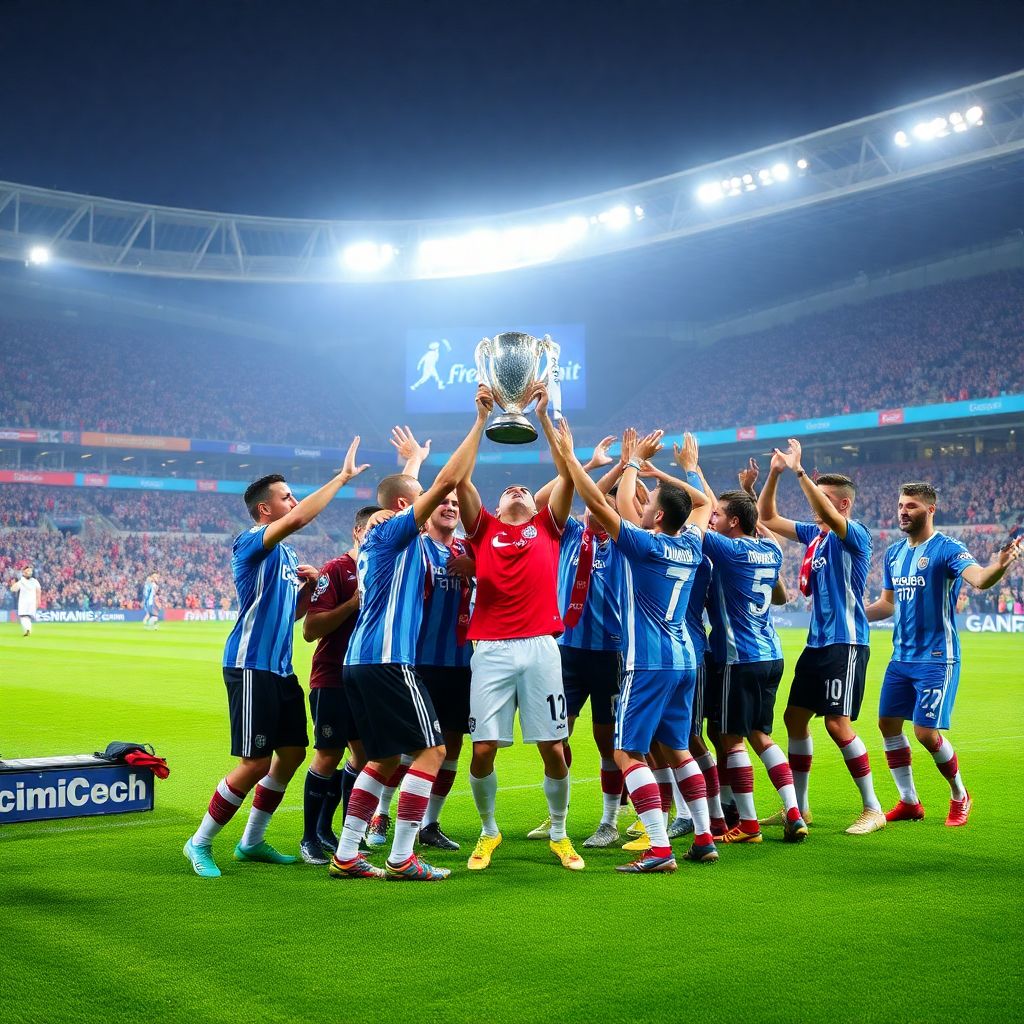
Underdog stories of TFF 1. Lig clubs in the Turkish Cup are matches where second‑tier teams eliminate heavily favoured Süper Lig sides, creating rare “giant‑killing” moments. These shocks usually mix compact tactics, intense motivation, and opponent complacency. Understanding patterns, common mistakes, and prevention methods helps clubs plan more realistic, repeatable cup runs.
Overview of Pivotal Underdog Upsets
- “Giant‑killing” means a TFF 1. Lig or lower club eliminating a big Süper Lig side in a knockout Turkish Cup tie.
- Classic shocks blend disciplined defending, direct transitions, and clever game management late in matches.
- Many TFF 1. Lig teams shocking Turkish Cup results exploit heavy rotation and mental under-preparedness of favourites.
- Frequent mistakes by underdogs include over-attacking early, poor set-piece organisation, and emotional loss of control.
- Quick fixes: clear defensive triggers, rehearsed restart routines, and scenario training for extra time and penalties.
- Studying the history of Turkish Cup surprises by lower league teams offers templates that can be adapted, not copied blindly.
Historic 1. Lig Giant-Killers: Landmark Matches
In the Turkish context, giant‑killer stories emerge when TFF 1. Lig clubs defeat title‑challenging Süper Lig teams over a single Turkish Cup tie or two‑legged round. These matches enter folklore because they break the expected league hierarchy for at least one night.
When fans talk about Turkish Cup underdog stories TFF 1. Lig sides are often central: hard‑working squads, smaller budgets, intimidating local grounds, and a one‑off tactical plan. The emotional narrative usually mixes local pride, a hostile atmosphere, and a decisive moment such as a late goal or penalty shoot‑out.
Such games are not just random miracles. Behind the best Turkish Cup upsets by second division clubs you usually find clear preparation: targeted pressing zones, specific set‑piece plays and a realistic physical plan for 90+ minutes. They also highlight gaps in elite‑club planning, especially when coaches underestimate match rhythm or pitch conditions.
For analysis, it helps to see TFF 1. Lig vs Super Lig Turkish Cup giant killings as extreme stress tests of decision‑making. Small choices – goalkeeper distribution, full‑back height, how the underdog uses throw‑ins – accumulate into structural advantages or fatal vulnerabilities across the match.
Tactical Blueprints Behind Cup Surprises
Most shocks follow repeatable tactical patterns rather than pure luck. Common blueprints include:
- Low or mid block with narrow spacing. Force big teams wide, protect the box, and deny central combinations. The mistake to avoid: back line dropping too deep and inviting endless crosses without pressure on the crosser.
- Fast, vertical transitions. Win the ball, play forward within two or three passes. Quick prevention: define clearly which players are allowed to carry the ball and which must release it immediately to avoid slow, risky counters.
- Targeted pressing triggers. Press only on specific cues (back‑pass to a weak‑footed centre‑back, slow switch to full‑back). The key mistake is pressing on emotion instead of trigger, leading to stretched lines.
- Set‑piece maximisation. Corners, free‑kicks and long throws become primary chance sources. Understudied routines or poor delivery waste underdogs’ best opportunities; simple, well‑rehearsed patterns are safer than complex moves no one remembers.
- Tempo control through fouls and rest periods. Smart, non‑reckless fouling and using the full restart time help underdogs manage rhythm. The danger is crossing into cynical time‑wasting that invites extra added time and yellow cards.
- Asymmetric full‑backs and wingers. One side defends deeper, the other is prepared for counters. A frequent error is pushing both full‑backs high simultaneously and giving the favourite easy counters down the flanks.
- Goalkeeper distribution strategy. Decide in advance: play long to reduce risk, or mix short passes to bait a press. Changing this mid‑match without a clear on‑field signal often leads to cheap turnovers near the box.
To prevent self‑inflicted damage, coaches should codify three non‑negotiables before kick‑off: maximum defensive line height, which zones to press in, and who takes responsibility for calming the team during chaotic phases.
Club Case Studies: How Lower-Tier Teams Prepared
Patterns from the history of Turkish Cup surprises by lower league teams show that preparation beats slogans like “we have nothing to lose”. Below are simplified, anonymised scenarios inspired by real TFF 1. Lig clubs.
Scenario 1: Regional side vs title contender at a tight home ground
A 1. Lig club hosting a Süper Lig giant studied how the favourite attacked low blocks. They noted full‑backs pushing extremely high and a playmaker who rarely tracked back. Their plan:
- Train for three days on defending crosses and second balls only.
- Attack the space behind the attacking full‑back with diagonal balls to a quick winger.
- Limit builds from the back – almost all goal kicks were long and wide.
Common errors they consciously avoided were trying to dominate possession early or pressing the opponent’s centre‑backs aggressively without cover. Quick prevention: coach forbade more than five consecutive short passes in their own half.
Scenario 2: Away match on a perfect pitch against rotational XI
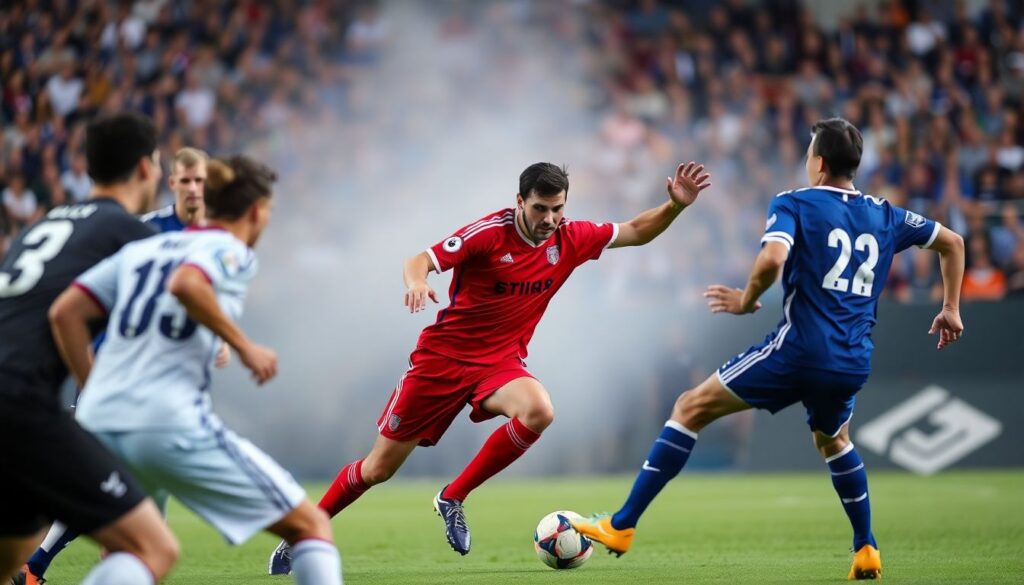
Another underdog faced a rotated but deep squad with strong individuals. Knowing they could not win most duels, they focused on structure:
- Use a very compact 4‑4‑2 mid block with clear distances between lines.
- Train for counter‑press resistance: once the ball was won, first pass went diagonally away from pressure, not forward.
- Pre‑select penalty takers and order before the match to avoid emotional choices later.
The mistake they worked to prevent was the emotional press after conceding. Staff installed a fixed rule: after every goal (for or against) the next five minutes must be played ultra‑conservative, no risky forward runs by full‑backs.
Scenario 3: Two-legged tie with second match at home
A TFF 1. Lig club drew a giant in a two‑legged round. Instead of chasing a miracle in the away leg, they targeted a controllable scoreline:
- First leg target: concede no more than one goal, focus on game management and avoiding suspensions.
- Second leg: train specifically on high‑pressure periods in front of home fans, including rehearsed substitutions on 60-65 minutes for extra energy.
- Use media to manage expectations and reduce pressure by framing the tie as “bonus” games.
Error prevention here centred on discipline: yellow cards for protests or bench reactions were treated as internal fines. That simple rule preserved squad depth for the decisive home leg.
Decisive Individual Performances and Moments
Even the best tactical plan still depends on execution by players who can handle pressure. Most TFF 1. Lig teams shocking Turkish Cup results have at least one standout performance that transforms a good plan into a legendary upset.
Advantages of Relying on Big Individual Moments
- Psychological leverage: a goalkeeper’s penalty save or striker’s long‑range goal can instantly shift belief towards the underdog.
- Margin for tactical imperfection: a decisive dribble or block can erase earlier positional errors.
- Media and branding value: memorable heroes make it easier to tell and market underdog stories, boosting club profile and sponsor interest.
- Recruitment appeal: players who shine in giant‑killings attract attention, making it easier for 1. Lig clubs to promise exposure to ambitious signings.
Limitations and Risks of Hero-Driven Narratives
- Non‑repeatability: relying on one “magic” player is fragile; injuries, suspensions or transfers break the model instantly.
- Overconfidence and impatience: star players may attempt low‑percentage shots or dribbles, breaking compact structure.
- Squad imbalance: excessive focus on the hero can erode collective responsibility, especially in defensive phases.
- Media distortion: tactical and structural reasons for success are ignored when all credit goes to one player, making learning harder for staff.
To prevent these issues, coaches should connect individual freedom to clear team rules: for example, heroes can improvise in the final third but must obey strict positioning in defensive transition.
Structural Factors: Format, Scheduling and Opportunity
Some supposed “miracles” happen because of structural advantages built into the Turkish Cup format and calendar. Understanding them helps underdogs to exploit opportunities and favourites to avoid careless exits.
- Misreading rotation windows. Super Lig clubs often rotate heavily in early rounds. Underdogs that attack these windows with their absolute best XI create maximum upset chances. Favourites should define a minimum continuity rule (e.g. always field a stable spine) to reduce this risk.
- Ignoring travel and kick-off conditions. Long trips, winter pitches and late kick‑offs tilt the field towards disciplined, motivated hosts. Quick prevention for favourites: arrive earlier, use pitch‑specific training, and simplify build‑up patterns in difficult conditions.
- Underestimating one-leg volatility. Single‑match rounds magnify the impact of early red cards, penalties or deflections. Both sides must prepare scenario plans for 10 men, early lead, or early deficit during training week.
- Fixture congestion blindness. Favourites may see the cup as an “extra” competition. Without rotation planning, physical and mental fatigue increases decision errors. Underdogs should track opponents’ recent minutes and target tired zones aggressively.
- Psychological trap of “nothing to lose”. Lower‑league teams sometimes interpret this as freedom from discipline, leading to chaotic pressing and early collapse. Coaches must reframe it as “nothing to waste” – every metre, duel and set piece is valuable.
- Lack of post‑game learning. After both wins and losses, many clubs fail to document tactical lessons. Simple prevention: create a short internal report template after every cup tie, focusing on what was controllable and repeatable.
Long-Term Consequences for Promoted Narratives
Cup shocks shape how clubs are perceived for years. A single giant‑killing can redefine a TFF 1. Lig club’s identity as an aggressive, fearless or tactically smart side, influencing recruitment, fan expectations and even sponsorship pitches.
For example, imagine a club that repeatedly reaches late cup rounds through disciplined defensive play and smart counters. Over a few seasons, its brand evolves from “small provincial team” to “specialist cup competitor”. When they finally earn promotion, that reputation follows them, changing how Super Lig opponents prepare and how media frame every game.
However, living forever on past Turkish Cup underdog stories TFF 1. Lig clubs risk freezing in an outdated self‑image. The quick safeguard is to treat every cup run as a case study, not a myth: document the tactical model, then update it as the squad, league and opponents evolve.
Practical Questions About 1. Lig Cup Shock Results
What exactly defines a Turkish Cup giant-killing by a 1. Lig club?
It is when a TFF 1. Lig or lower team eliminates a clearly stronger Süper Lig opponent in a knockout round. The key is competitive context – league standing, squad value and expectations – rather than just the final scoreline.
How can favourites reduce the risk of embarrassing cup exits?
They should avoid excessive rotation, maintain a strong central spine, and prepare specifically for the opponent’s plan and pitch. Mental preparation is crucial: if players treat the tie as a friendly, structural advantages disappear quickly.
What is the most common tactical mistake by underdogs?
Over‑pressing too early without compact support, which opens big spaces between lines. A simple fix is to define pressing zones and triggers in advance, and assign one player to call the team back when the block stretches.
How much should a 1. Lig team adapt its usual style for a cup tie?
Adjust intensities and risk levels, not identity. Successful underdogs keep their core principles but tailor block height, transition patterns and set‑piece focus to the specific favourite they face.
Are penalties a realistic primary strategy for weaker teams?
Planning to survive to penalties can be logical, but only with rehearsed routines and a goalkeeper comfortable under pressure. It becomes dangerous if the team stops counter‑attacking entirely and invites relentless pressure for 90 minutes.
How can coaches turn one upset into sustainable progress?
By documenting what was controllable – tactical choices, preparation routines, communication rules – and integrating those into daily training. The aim is to transform a one‑off “miracle” into a tested model for future tough matches.
Do repeated cup shocks help 1. Lig clubs in promotion races?
They can build belief, attract better players and sharpen tactical discipline. But if cup runs overload the calendar without rotation planning, they may drain energy from the league campaign, so workload management is essential.
Комментарии