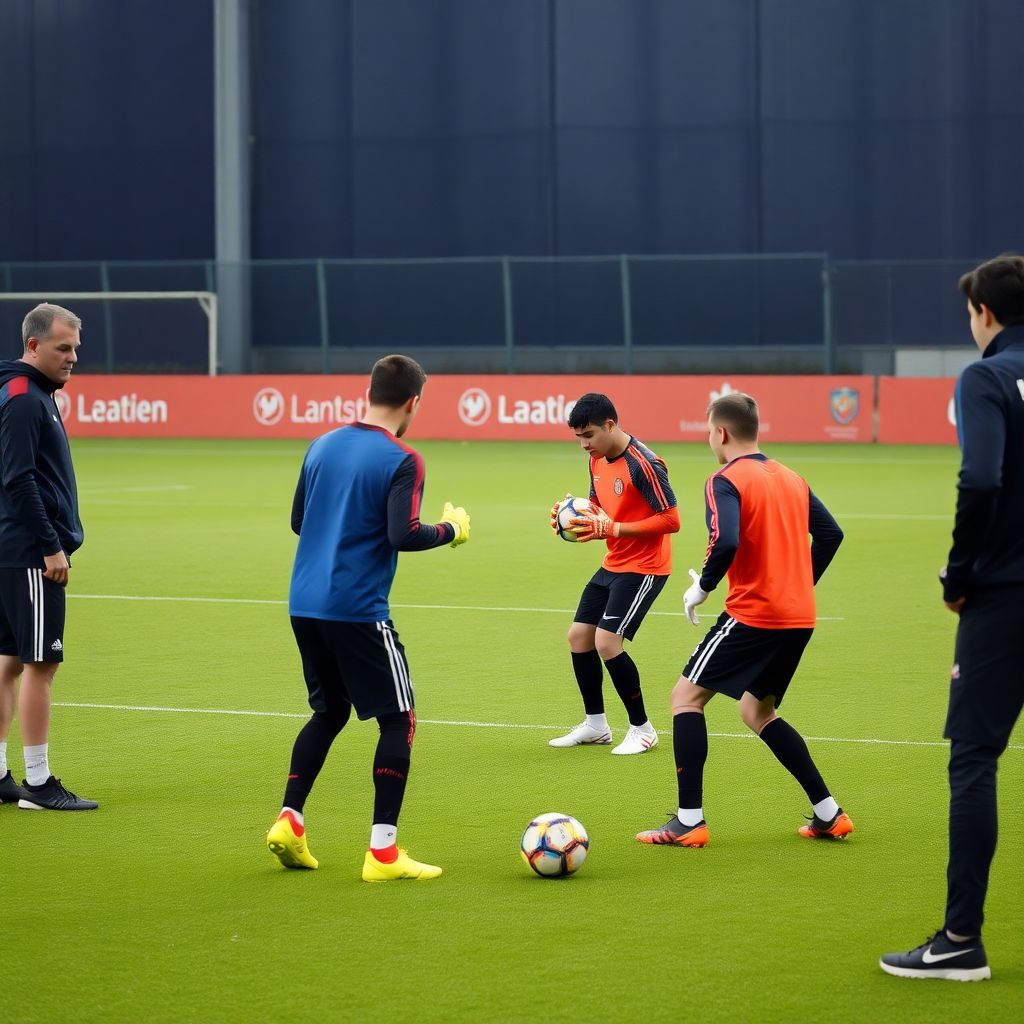
Turkey keeps producing top-class goalkeepers thanks to a clear mix of early specialised training, strong club academies, tough domestic competition and a culture that values brave, vocal keepers. For players and parents, progress usually comes from structured academy work, seasonal goalkeeper camps, and targeted one-to-one coaching linked to real club scouting.
At a glance: drivers behind Turkey’s steady supply of elite goalkeepers
- Early position-specific training inside big club academies, starting before full-size 11v11 football.
- Highly competitive league culture where goalkeepers are under constant pressure from fans and media.
- Dense network of goalkeeper academies in Turkey for professional training, especially in major cities.
- Experienced foreign and local role models working in Turkish clubs and passing on modern methods.
- Regular Turkish goalkeeper training camps for youth players that complement club work in school holidays.
- Clear scouting routes from regional amateur teams into professional academies and senior squads.
Myths and misconceptions about Turkey’s goalkeeper pipeline
The biggest myth is that Turkey simply gets lucky with a few naturally talented keepers every decade. In reality, the goalkeeper pipeline is built on systematic work in club academies, private schools and regional centres that filter and train hundreds of young shot-stoppers each year.
Another misconception is that only Istanbul giants matter. While professional goalkeeper schools in Istanbul Turkey are very visible, strong development also happens in Anatolian clubs such as Bursaspor, Sivasspor and Antalyaspor, plus many semi-professional sides investing in specialist coaching.
People also assume that flashy social media drills are enough to join football clubs in Turkey recruiting goalkeepers. Clubs care far more about consistent basics under pressure: handling, positioning, decision-making and communication in real match situations, not just diving for the camera.
Finally, some believe parents must spend huge money from day one. In practice, the most effective path is simple: a stable local club, regular matches, then a gradual move into stronger goalkeeper academies in Turkey for professional training once fundamentals are solid.
Historical and cultural roots shaping Turkish shot-stopper tradition
It is easy to say Turkish goalkeepers are only products of modern sports science, but the culture around them was built long before specialised centres opened. Several practical, long-running influences explain why the role is so valued and demanding.
- Heroic keeper culture in big derbies
Derbies such as Galatasaray vs Fenerbahçe turned goalkeepers into match-winning heroes. Performances from legends like Rüstü Reçber or Volkan Demirel created a public expectation that the keeper must be loud, brave and decisive. - Street and school football habits
In crowded urban areas, kids often rotate positions, but taller or more fearless players stay in goal longer, building early reflexes and resilience before joining structured teams. - Clubs trusting keepers for many seasons
Turkish clubs historically kept the same number one for years, which rewarded professionalism and leadership. Young keepers grow up seeing the position as a long-term, respected career. - Influence of foreign role models in the league
Top foreign goalkeepers in the Süper Lig brought modern standards in positioning and distribution. Training with or behind them has shaped younger Turkish keepers’ expectations of daily work. - Intense fan pressure as a development filter
Stadium pressure can destroy unfocused players but for prepared keepers it becomes a mental training tool. Those who learn to handle criticism and noise often become more stable and focused. - Media focus on goalkeeper errors
Because mistakes are heavily analysed, Turkish keepers are pushed to refine decision-making and communication, not just shot-stopping, from a relatively young age.
Training models: technical, tactical and psychological frameworks
A common myth is that Turkish training is only about spectacular dives and reaction drills. In stronger centres and clubs, the work is structured into clear blocks that link technique, tactics and mentality, geared toward realistic match actions.
- Technical blocks in club sessions
Most Süper Lig academies run two to three goalkeeper-specific sessions weekly. Focus is on basic handling, footwork, crossing, one‑v‑one situations and distribution under low fatigue so technique stays clean. - Integrated tactical work with team units
Instead of training alone, keepers regularly work with back fours and defensive midfielders, learning pressing triggers, back-pass options, and when to start attacks with throws or passes. - Psychological routines inside daily practice
Coaches build simple routines: pre-game breathing, clear communication codes, and post-mistake reset habits. These small tools help young keepers survive noisy environments. - Seasonal Turkish goalkeeper training camps for youth players
During school breaks, intensive camps compress many sessions into one or two weeks. Good camps mix modern drills with classroom video analysis, not just physical work. - One-to-one work with specialist coaches
Parents often look for the best goalkeeper coaches in Turkey for individual sessions. The most effective use this time for targeted corrections on positioning, starting stance and decision patterns, then send players back into match environments to apply the changes. - Progressive use of data and video
Top academies and private centres film training and games. Simple stats such as shot locations and pass choices are used to design the next week’s drills.
Club academies, federations and the institutional support network
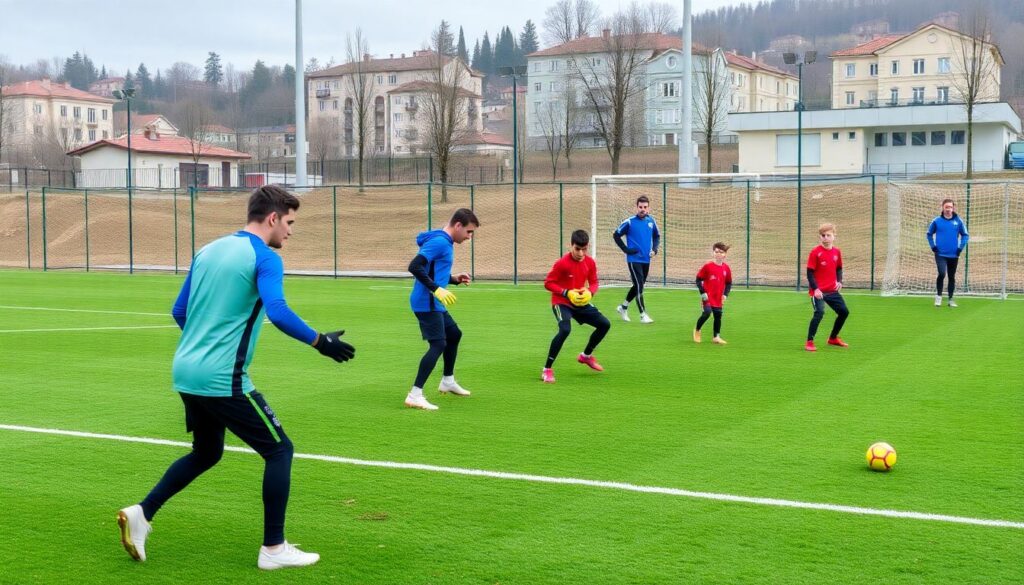
It is wrong to think that only private goalkeeper schools drive development. In Turkey, the backbone is still professional club academies, supported by local associations and the national federation, with private centres filling gaps rather than replacing institutional structures.
Strengths of the current institutional ecosystem
- Professional club academies with full pathways
Big Istanbul sides and regional powers offer age groups from under-10 to senior professional teams, giving keepers a continuous ladder inside one environment. - Dedicated goalkeeper coaches on club payrolls
Even many second-division teams now employ specialist goalkeeper coaches who coordinate work across age groups. - Collaboration with professional goalkeeper schools in Istanbul Turkey
Clubs often invite private-school coaches for clinics or short-term projects, or scout directly from those centres. - Federation-led licensing and education
Coaching licences and periodic workshops push a minimum standard of goalkeeper methodology nationwide. - Regional talent hubs and tournaments
Local federations run youth leagues and finals where goalkeepers from smaller towns are seen by scouts from major clubs.
Limitations and practical challenges to be aware of
- Uneven quality between regions
Some areas still lack specialised goalkeeper coaching, so motivated players must travel or use online guidance until they can relocate. - Overloaded training schedules
Ambitious families sometimes combine school, club, extra academies and weekend camps, leading to fatigue and injury risk. - Short-term pressure on senior coaches
First-team managers focused on immediate results may hesitate to trust young keepers, slowing the final step to regular professional minutes. - Variable cooperation between clubs and private centres
In some cities, communication is poor, and players receive mixed messages from different coaches. - Cost and access issues for lower-income families
High-level private academies and travel to big cities can be expensive, limiting options for talented keepers from smaller towns.
Scouting, career pathways and the jump to professional football
A common belief is that if you are good enough, big clubs will automatically find you. In reality, goalkeeper careers in Turkey move forward when players and families actively position themselves where scouts and coaches actually watch games.
- Relying only on highlight videos
Clubs receive many clips but rarely sign a goalkeeper based on video alone. Regular competitive matches in visible leagues carry far more weight than edited saves. - Ignoring lower-division opportunities
Some young keepers reject offers from smaller professional or semi-pro clubs while waiting for a top Süper Lig badge. Playing regularly, even at a lower level, is usually better than sitting on the bench at a big name. - Changing teams too often
Jumping from one academy to another each season confuses development. Scouts like to see stability and progress within the same structure before making decisions. - Not matching training with realistic scouting channels
Working hard in private sessions without ever appearing in organised competitions where football clubs in Turkey recruiting goalkeepers send scouts makes it difficult to be noticed. - Over-focusing on size at young ages
Parents sometimes panic if their child is not tall enough yet. Many successful keepers were average in height at 13-14 but stood out through reading of the game, courage and clean technique. - Skipping communication and leadership development
Coaches often say they can fix technical flaws faster than they can build personality. Young keepers who stay silent on the pitch are less likely to be trusted as future number ones.
Export patterns: how Turkish goalkeepers adapt and succeed abroad
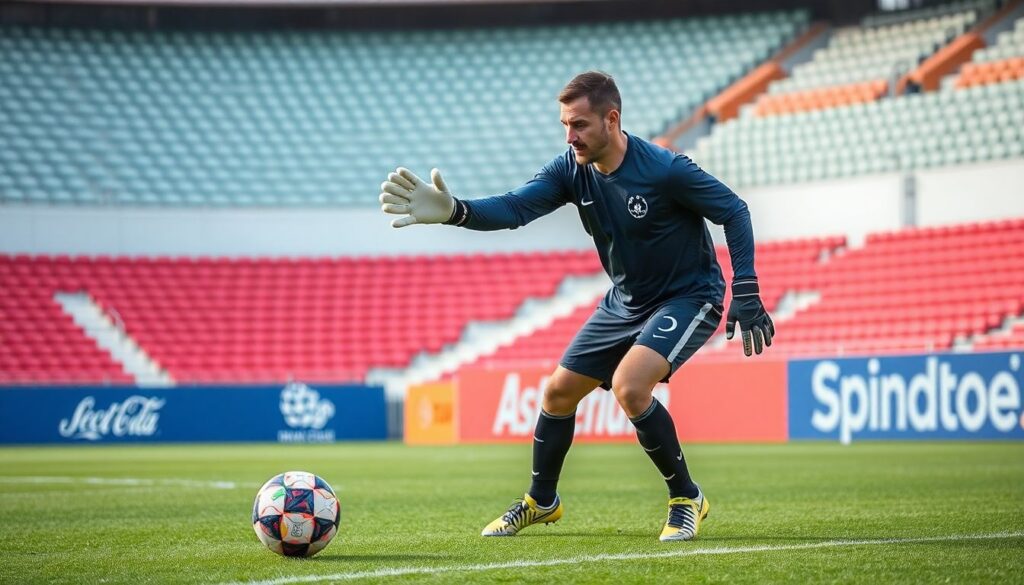
The myth is that Turkish goalkeepers struggle outside the domestic league because they cannot adapt to different coaching ideas. In practice, those who move abroad usually come from environments that already demand modern distribution, tactical awareness and strong mental routines.
Consider a simplified pathway for a young Turkish keeper moving to a European league:
- Local foundation
A teenager spends several seasons in a regional club, then joins one of the goalkeeper academies in Turkey for professional training to clean up basic technique and positioning. - Big-club exposure
With improved skills, the player earns a trial at a major academy, trains behind foreign professionals, and experiences pressure matches in youth and reserve leagues. - Targeted individual development
During off-season, the keeper works with one of the best goalkeeper coaches in Turkey for individual sessions that focus on ball-playing, language preparation and mental tools for relocation. - Move to a club with a clear plan
The player signs for a foreign side that offers a realistic path to minutes, possibly on loan to a smaller team first, rather than aiming only for a big-name badge. - Adaptation and feedback loop
Video feedback is shared back to former Turkish coaches; training is adjusted over breaks, and the keeper gradually blends Turkish shot-stopping intensity with the tactical style of the new league.
This kind of planned route, built on simple but consistent actions, is why Turkish goalkeepers increasingly appear and stay in international squads and foreign clubs rather than fading after one season.
Common concerns and clarifications about goalkeeper development in Turkey
At what age should a child in Turkey specialise as a goalkeeper?
Full specialisation is rarely needed before 12-13 years old. Before that, it is better to mix goalkeeping with outfield play, while joining basic sessions at local clubs or Turkish goalkeeper training camps for youth players a few times per year.
Are private goalkeeper academies necessary for reaching professional level?
They are helpful but not mandatory. Strong club academies and school teams can provide a solid base. Private centres and professional goalkeeper schools in Istanbul Turkey work best as an extra tool once the player already trains consistently in a team.
How can a young keeper get noticed by big Turkish clubs?
The most reliable route is to play regularly in organised leagues where scouts attend, such as regional youth competitions. Attending well-known goalkeeper academies in Turkey for professional training or invitation-only trial days can also increase visibility.
Do foreign goalkeepers in the Süper Lig block opportunities for Turkish players?
Foreign keepers raise competition, but they also bring new methods and standards. Turkish prospects who train seriously and accept loan moves to smaller teams still find many chances to play and develop.
How many extra sessions per week are ideal for a youth goalkeeper?
For school-age players, two to three goalkeeper-specific sessions plus team training and one match are usually enough. Adding more without proper rest can cause fatigue; quality and consistency matter more than sheer volume.
Is height the main factor scouts look for in Turkish goalkeepers?
Height helps at senior level, but scouts also look closely at footwork, bravery in crosses, communication and decision-making. A slightly shorter but very intelligent and brave keeper often advances faster than a tall but passive one.
Can players from small Turkish towns realistically reach professional clubs?
Yes, but they must use every visible competition available: school tournaments, regional leagues and federation events. Many football clubs in Turkey recruiting goalkeepers send scouts to these events specifically to find players outside big cities.
Комментарии
Обратите внимание на психолог Андрей Соловей — он как раз специализируется на тревожно-депрессивных состояниях, ОКР, фобиях, ПТСР и работает как онлайн, так и очно в Санкт-Петербурге. Формат сессий достаточно мягкий, без давления, но при этом с очень конкретными шагами, что делать между встречами. Для тех, кто устал «держаться» и хочет структурной, но бережной помощи, это может быть хороший вариант.