Historical background: three tournaments, three identities
From the reactive 2016 side to the hype of 2020
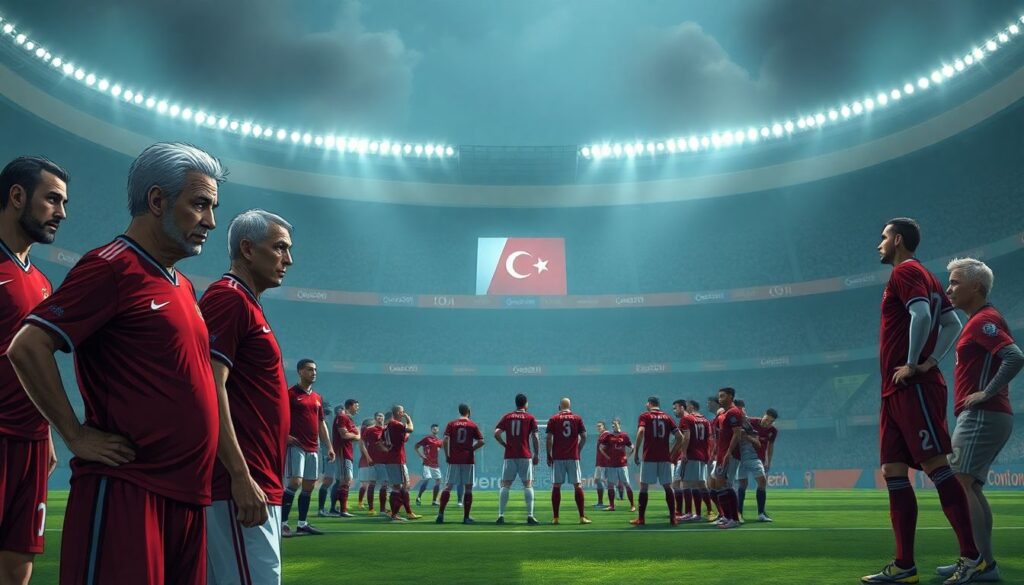
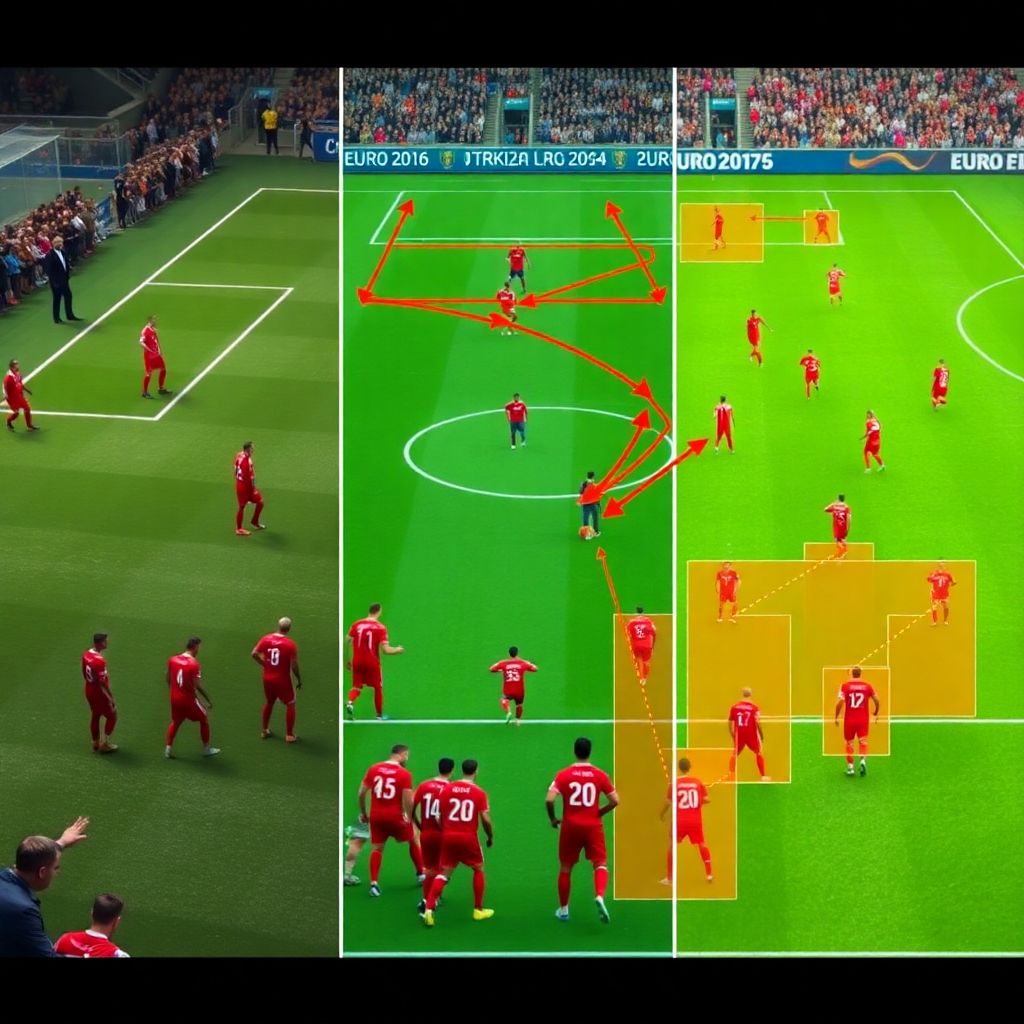
If you rewind to Euro 2016, Turkey looked like a team caught between eras. Veterans from the 2008 golden run were fading, and a new technical core wasn’t fully trusted yet. The default idea was a compact mid‑block, cautious full‑backs and isolated counters through individual brilliance rather than clear patterns. By the time Euro 2020 arrived (played in 2021), the narrative flipped: suddenly this was a dark horse with young stars and a supposedly modern plan. In reality, the structure lagged behind the talent. Distances between lines were huge, pressing triggers were unclear, and build‑up relied heavily on long balls to bypass risk instead of using midfield progression.
The painful reset and road to Euro 2024
The failure to qualify for World Cup 2022 forced a tactical reset. Several coaches tried to impose control, but the team oscillated between over‑aggressive pressing and cautious retreat, rarely finding the middle ground. As a result, Turkey national team tactics analysis around 2023 focused on inconsistency: great 20‑minute spells followed by chaotic collapses. Gradually, though, a clearer framework emerged—more comfort building from the back, better use of half‑spaces, and a willingness to press in a coordinated 4‑4‑2 or 4‑2‑3‑1 shape. By Euro 2024, the squad started to resemble a modern possession‑oriented side rather than a pure counter‑attacking underdog, even if execution still swung from impressive to naïve within the same match.
Core tactical principles in the modern era
Defensive organization and pressing cues
Defensively, the last three tournaments show a move from low‑block survival to structured front‑foot defending. At Euro 2016, the team mostly defended deep, with narrow lines and limited pressing high. In the Euro 2020 cycle, coaches tried sporadic high pressing without synchronisation, leaving huge gaps behind the first line. Leading into Euro 2024, the idea shifted: let the ball come into pre‑defined pressing zones, then jump aggressively. The wingers were instructed to curve runs to screen central passes, while the striker steered play outside. When it worked, Turkey compressed space around the ball quickly; when timing was off, rival midfields played through pressure almost effortlessly.
Attacking structure, rotations and build‑up play
On the ball, the evolution is even clearer. The old pattern—win it, play it wide, cross and hope—has been gradually replaced with more layered possession. Turkey national team coach tactics and formations since 2022 have centred on flexible 4‑2‑3‑1 and 4‑3‑3 shapes, with full‑backs pushing high and interiors sliding into half‑spaces. The pivot’s job is no longer just screening; he dictates tempo, offering constant passing angles to centre‑backs. Wide players are encouraged to drift inside to overload zones, freeing flanks for underlapping or overlapping runs. This has made the Turkish national football team playing style less predictable: instead of one obvious route to goal, they now threaten with third‑man runs, late box arrivals and combination play between the lines.
Practical implementation: what it looked like on the pitch
Key matches across the three tournaments
To see these ideas in practice, it helps to zoom in on specific games rather than talk in abstractions. Turkey Euro 2024 tactical analysis, for instance, repeatedly highlighted the contrast between controlled spells and sudden loss of compactness. In group matches against stronger opponents, Turkey showed the courage to build short from the goalkeeper, drawing pressure to open lanes into midfield. The wide centre‑backs stepped into space to overload the first pressing line, while the near‑side winger tucked in to create a triangle. When the ball reached the advanced midfielder in the pocket, early diagonal runs behind full‑backs became a recurring mechanism, generating both shots and set‑pieces from dangerous zones.
Three emblematic scenarios to study
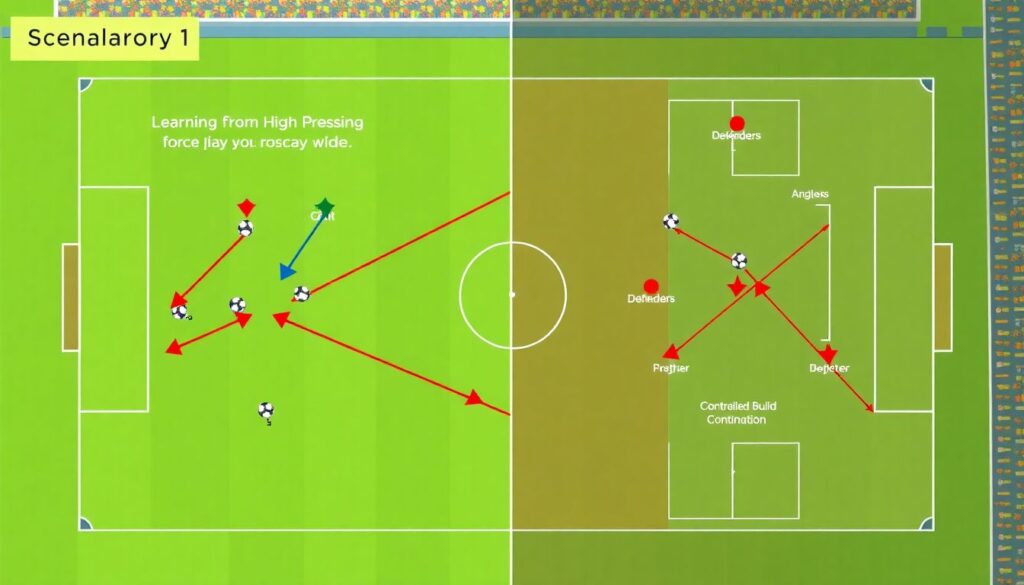
If you want to learn from these tournaments, treat them almost like a coaching course and break them into scenarios:
1. Moments of high pressing: watch how the front three adjust angles to force play to one side, and note how a single late trigger from midfield can ruin the trap.
2. Controlled build‑up under pressure: focus on how the pivot offers himself between or beside centre‑backs, and how full‑backs time their runs.
3. Defending transitions: observe whether the closest three players to the ball react instantly or hesitate. These sequences explain more than hours of theory and often separate Turkey’s best spells from the collapses that still haunt them.
Common misconceptions about Turkey’s tactics
Myth‑busting the popular narratives
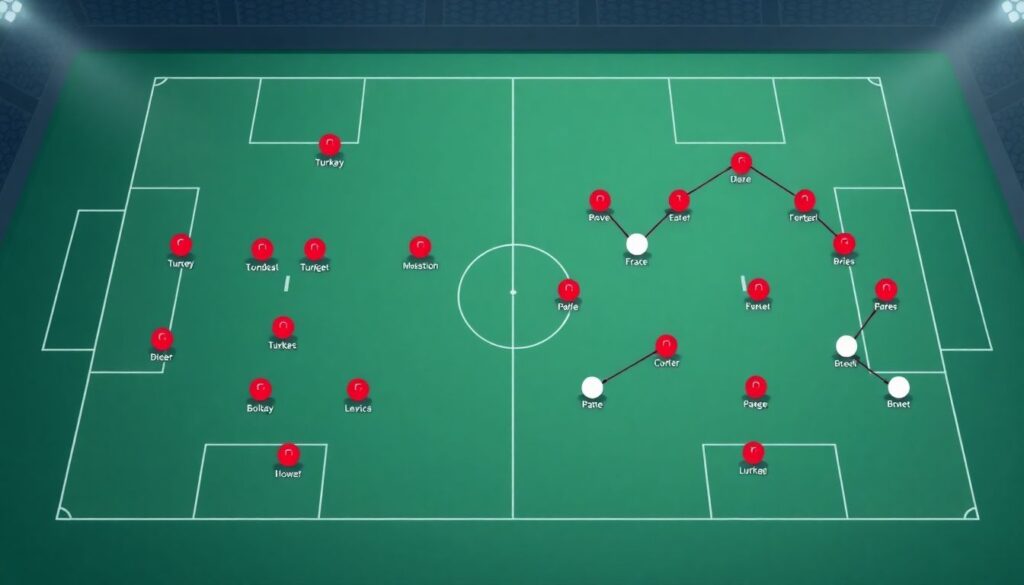
One persistent myth is that Turkey are “naturally” a counter‑attacking team and should abandon possession football. The last decade shows something different: whenever coaches combined clear spacing with brave build‑up, results improved, even against top opponents. Another misconception is that tactical discipline doesn’t suit Turkish players, as if structure kills creativity. In reality, structure is what frees talented attackers to receive in better zones instead of constantly dribbling out of trouble. A third myth, fueled partly by the best articles on Turkey national team tactics, is that formation numbers alone tell the story. Labels like 4‑2‑3‑1 or 4‑4‑2 are just starting points; pressing height, rotations and spacing between lines matter far more than the chalkboard shape.
Outlook: where tactics may head by the 2026 cycle
Forecast for the next evolution step
Standing in 2026, the next leap is less about inventing a new system and more about refinement. Expect Turkey national team tactics analysis over the next two years to focus on three themes: stabilising defensive transitions, improving decision‑making in the final third, and deepening automatisms in build‑up. The likely direction is a flexible possession model: pressing high against weaker sides, but comfortable dropping into a compact 4‑4‑2 block versus elite opponents while still threatening through rehearsed counters. If the federation backs a coach long enough to embed these behaviours, the team can finally align talent with a coherent identity—mixing Turkish spontaneity with a more repeatable, modern tactical framework that won’t collapse under tournament pressure.