Why Global Trends Matter More Than Ever for Turkish Clubs
If you run or work inside a Turkish club today, you’re not just competing with the team across the Bosphorus; you’re competing with clubs that act like global tech companies with stadiums attached. In the last decade, football economics have tilted sharply toward the “Big 5” leagues, while UEFA prize money, broadcasting, and sponsorships have grown faster than the average Süper Lig budget. This means every strategic mistake in Istanbul, Trabzon, or Konya is punished more heavily than before, and every smart move can unlock a much bigger upside. Understanding how global leaders operate is no longer a nice‑to‑have; it’s the minimum entry ticket if you want to see your club regularly in the Champions League or Europa League group stages rather than watching others cash those TV cheques.
Data‑Driven Football: From Gut Feeling to Measurable Edges
Around 2010, clubs like Brentford and FC Midtjylland proved you could punch above your financial weight by leaning hard into data, long before most of Europe took analytics seriously. Brentford, operating with a Championship‑level budget, used expected goals and market inefficiencies to sign undervalued strikers and sold players like Ollie Watkins and Saïd Benrahma for Premier League fees that essentially funded a new stadium and a sustainable squad. Meanwhile, Liverpool’s transformation under Michael Edwards was anchored in a recruitment model that combined video scouting with predictive models, turning players like Mohamed Salah and Sadio Mané from “good” into “elite” value signings who produced at a Champions League‑winning level.
Technical Insight: What Modern Analytics Actually Looks Like
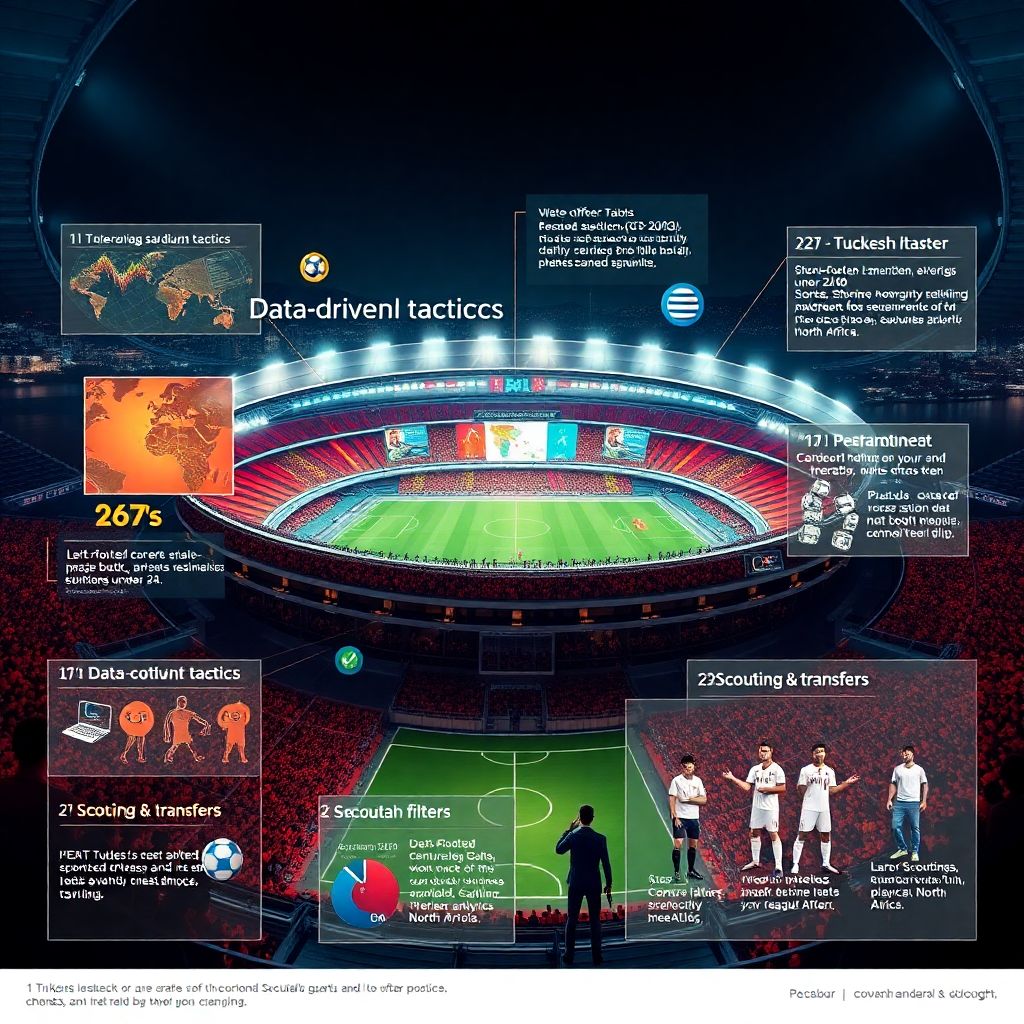
Inside top clubs today, analytics isn’t one laptop and a few Excel sheets; it’s a full pipeline. First, tracking data from optical cameras or GPS wearables records every player’s movement at 25 frames per second. Then, event data logs passes, shots, pressures, duels and ball recoveries. Next, models compute metrics such as expected goals (xG), expected threat (xT) or possession value added (PVA) to quantify how each decision on the pitch changes the probability of scoring or conceding. Finally, all of this is pushed into dashboards for coaches, performance staff and recruitment teams, usually integrated via APIs into video platforms, making it possible to filter “left‑footed centre‑backs, press‑resistant, strong in aerial duels, under 24, playing in leagues with lower salary inflation.” This is where specialised football analytics services for clubs create a direct link between data, tactics and transfer decisions.
What This Means for Turkish Clubs on the Pitch
For Turkish teams, the first big implication is simple: you can’t rely purely on “eye test” and agent networks if you want to compete with mid‑tier Bundesliga or Ligue 1 sides that have full analytics departments. Galatasaray’s recent Champions League qualification run highlighted how strategic recruitment can shift the club’s trajectory, but without a consistent, model‑driven approach you end up in a cycle of short‑term bets, high wages and constant squad overhauls. Süper Lig clubs often argue that “Turkey is unique,” but the physics of data are the same everywhere; whether you’re scouting in Brazil, Scandinavia or the Balkans, structured models of player potential, injury risk and resale value will beat instinct alone over a five‑year horizon.
Technical Insight: Sports Data Analysis for Competitive Advantage
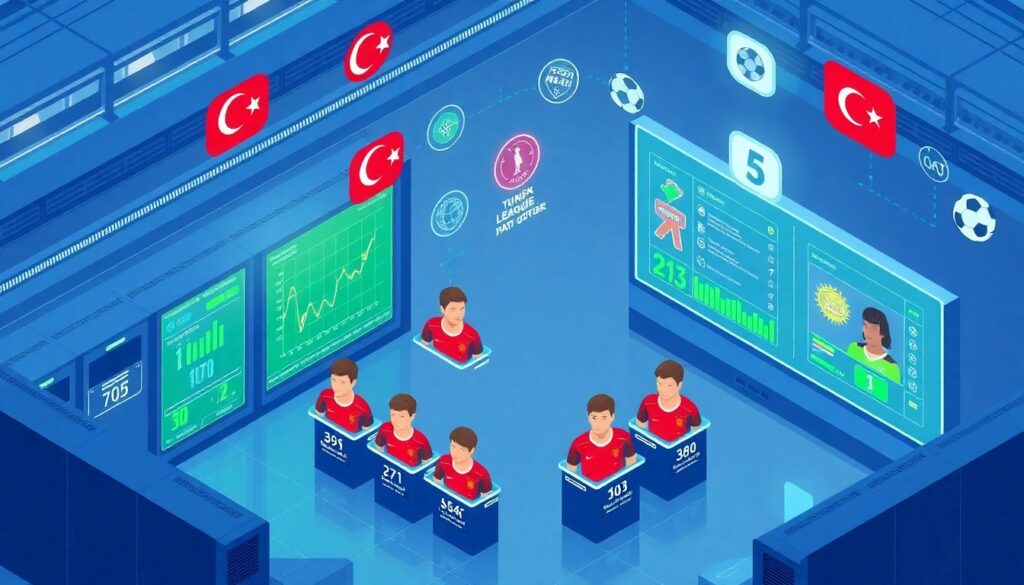
To close the gap, Turkish clubs should treat sports data analysis solutions for football teams as core infrastructure rather than add‑ons. That means standardising how you log training loads, match actions, physical tests and medical information, then building stable IDs for every player across all databases. From there, you can run regression models to predict which profiles are more likely to adapt to the Süper Lig’s high‑tempo, emotional environment, simulate how new signings will change your pressing efficiency, or evaluate whether a coach’s style actually fits your existing squad. Over time, this allows you to quantify the value of each transfer, contract extension and tactical shift in terms of points per season, making it easier to justify decisions to boards and investors who care about return on investment as much as league position.
Global Arms Race in Player Monitoring and Performance
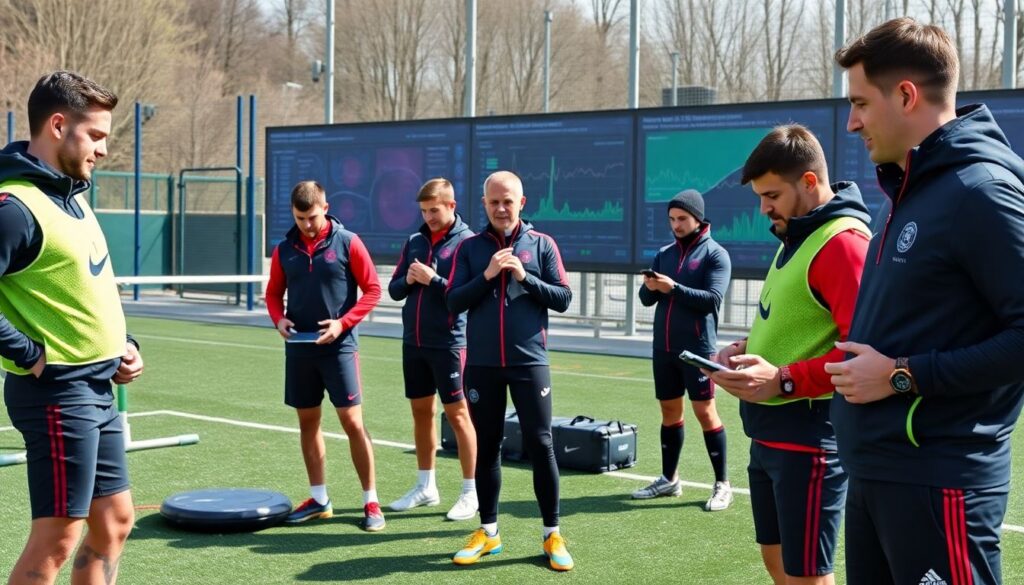
The second big global trend is the explosion of real‑time monitoring technologies. In top European clubs, training sessions are now instrumented like scientific experiments: GPS vests, heart‑rate monitors, force plates, sleep trackers and wellness apps gather data that helps staff estimate injury risk and micro‑adjust training loads. Clubs like Bayern Munich and Manchester City routinely cut soft‑tissue injuries by double‑digit percentages using such systems, effectively “creating” extra matches from their best players every season. Over a 40‑to‑50‑game campaign, keeping one or two key players on the pitch for 10% more minutes often means the difference between qualifying for Europe and missing out entirely, especially in leagues where margins are small but financial rewards are steep.
Technical Insight: Tracking Tech and Custom Benchmarks
For Turkish clubs, it’s not enough to just buy wearable kits and call it innovation; the value lies in how you interpret the data. Proper player performance tracking technology for soccer clubs combines external load metrics (distance, high‑intensity sprints, accelerations) with internal responses (heart‑rate variability, recovery indices) and contextual data (travel, match congestion, pitch quality). Then, performance staff define individual “red flag” thresholds so they know when a winger is at elevated risk even if he insists he feels fine. Integrating this flow with medical records and match reports allows clubs to build longitudinal profiles—usually over two to three seasons—which then feed into contract negotiations and transfer valuations, reducing the chance of paying premium wages for players whose physical curves are already declining.
Money, Media and Global Audiences: The New Off‑Pitch Battle
Off the pitch, the money gap between Turkey and Europe’s richest leagues is driven less by ticket sales and more by global media rights and commercial deals. Premier League clubs now earn over €3.5 billion per season in broadcasting, while the Süper Lig’s TV deal has shrunk in real terms, putting pressure on clubs to find fresh revenue streams. Clubs like Paris Saint‑Germain and Juventus turned themselves into global lifestyle brands, using star signings, social media, and aggressive merchandising to reach fans in Asia and the Americas. For Turkish giants with enormous diasporas in Germany, the Netherlands and the Middle East, this should be a natural advantage, yet many still rely heavily on domestic sponsors and matchday revenues that fluctuate with on‑field results and political factors.
Technical Insight: Modern Football Marketing Stack
Today, a serious sports marketing agency for football clubs doesn’t just sell shirt sponsorships; it builds audience funnels. First, they segment fans by location, language and engagement level across platforms like Instagram, TikTok, YouTube and club apps. Then, they implement CRM systems linking ticket purchases, merchandise history and digital behaviour, so a fan who watches every highlight but never buys a shirt can be targeted with tailored offers. On top of this, they track campaign performance with attribution models—identifying which content formats, influencers or regional partnerships actually convert into revenue. Turkish clubs that invest in this approach can monetise their global fanbases year‑round, rather than relying only on transfers and prize money to balance the books each summer.
Digital Transformation: Clubs as Tech Companies
Another global shift is that big clubs think of themselves as technology platforms. Manchester City’s City Football Group owns multiple clubs and runs shared IT, scouting and content systems, while smaller sides like FC Copenhagen have invested heavily in data warehouses and in‑house development to reduce dependence on third‑party providers. For Turkish clubs, this is a warning sign and an invitation; if you’re still working with scattered Excel files, WhatsApp chats and manually updated scouting lists, you will naturally lag behind organisations that integrate everything from academy reports to ticket scans under one digital roof. The necessary mindset change is to treat technology as a strategic asset, not just operational support.
Technical Insight: Building a Digital Backbone
Clubs that succeed in this space usually start with a clear digital architecture plan and, if needed, bring in football club digital transformation consulting to avoid fragmented tools. The backbone is a central data platform—on‑premise or cloud—where match data, training metrics, financial figures, fan behaviour, and HR information live with proper access controls. Above this layer, specialist modules for scouting, medical, ticketing and marketing communicate via APIs rather than manual exports. Governance is crucial: clear data ownership, standard naming conventions and role‑based dashboards mean coaches see insights tailored to tactical decisions, while executives see financial and commercial KPIs. Over two to three seasons, this approach lowers operational risk, makes staff turnover less painful, and turns accumulated knowledge into a competitive advantage rather than letting it walk out when a coach leaves.
Talent Development and Transfer Strategies in a Global Market
Transfer markets have become more efficient and more brutal. Portuguese and Dutch clubs have mastered the “develop and sell” model, regularly moving players to the Premier League for €30–60 million and reinvesting in academies and scouting networks. For Turkish clubs, the traditional path—signing established names in their late twenties or early thirties to appease fans—has delivered short spikes in excitement but long‑term wage inflation and limited resale value. There are positive exceptions: clubs like Başakşehir and Trabzonspor have experimented with younger profiles and more structured recruitment, but the overall system still underutilises Turkey’s own talent base and regional scouting advantages in the Balkans, Caucasus and North Africa, where competition from wealthier leagues is growing each window.
Technical Insight: Portfolio Thinking in Player Trading
Instead of viewing each transfer as a standalone gamble, leading clubs treat squads like investment portfolios. They define target age profiles by position, combining short‑term performance needs with long‑term asset value, and run scenario analyses on how many players will likely need replacing each summer. Data models forecast not just on‑pitch contribution but expected resale curve, factoring in position scarcity, nationality premiums, and historical transfer patterns for similar players. Turkish clubs can adopt these principles by setting explicit caps on the number of over‑30 signings, allocating a fixed share of the wage budget to players under 24, and tracking realized and unrealized transfer profits each year. Over time, this shifts the club from being a consumer of value created by others to a producer of talent that Europe’s elite are willing to pay for.
Practical Roadmap for Turkish Clubs: From Trend Watching to Action
To turn these global trends into concrete gains, Turkish clubs should start small but think big. First, appoint someone—internal or external—with a clear mandate to coordinate data, technology and performance projects rather than letting each department improvise. Second, run a 6‑to‑12‑month pilot that focuses on one or two high‑impact areas, such as data‑driven recruitment or injury‑risk monitoring, measuring results in terms of points, minutes gained from key players, or transfer savings. Third, reinvest any savings or extra revenues back into people and systems, not just additional salaries, so that each season the club’s “brain” gets a bit sharper. The crucial step is cultural: coaches, sporting directors and board members must buy into the idea that structured, evidence‑based decisions will outperform intuition alone over multiple seasons, even if individual calls still go wrong now and then.
Case Studies: What Turkish Clubs Can Learn from Specific Examples
A useful reference point is how FC Midtjylland combined analytics and set‑piece focus to win the Danish league multiple times against richer rivals, then sold players like Frank Onyeka and Alexander Sörloth for solid profits. A Turkish club with similar or larger resources could replicate this niche approach—dominating dead‑ball situations, for example—to gain five to ten extra points per season. Another lesson comes from Atalanta in Serie A, who built a sustainable model based on academy excellence, aggressive pressing, and smart sales of players like Cristian Romero and Dejan Kulusevski. For Istanbul’s big three, adopting elements of this model—clear tactical identity, lean wage structure, and a constant pipeline of sellable assets—could stabilise finances without sacrificing ambition for deep European runs that increase the country’s UEFA coefficient and visibility.
Technical Insight: Partnering Smartly, Not Blindly
Finally, as these trends accelerate, Turkish clubs will be bombarded with pitches from vendors and consultants promising miracle solutions. The key is to choose partners whose incentives align with performance, whether in analytics, media or technology. For example, when evaluating providers of integrated performance and scouting platforms, clubs should insist on transparent methodologies, interoperability with existing systems, and measurable KPIs rather than flashy dashboards alone. The same logic applies when selecting external football analytics or digital partners; a good provider will be willing to work with your existing staff, transfer knowledge, and be judged on medium‑term results such as improved league position, lower injury days, or higher commercial revenue. In other words, treat outside expertise as a temporary force multiplier, not a substitute for building your own internal capabilities.
Bringing It All Together
Global football is moving toward a future where the most successful clubs blend passion, local identity and fan culture with ruthless professionalism in data, technology and business. For Turkish clubs, the upside is enormous: a huge fanbase at home and abroad, emotionally intense stadiums, and a strong history of competing with Europe’s giants on big nights. The downside is that without embracing the trends shaping the modern game—advanced metrics, integrated tracking, smarter talent trading, and professionalised digital operations—the gap will continue to widen, turning those big nights into rare exceptions. By investing now in structured analytics, robust infrastructure and modern commercial strategies, Turkish clubs can position themselves not as nostalgic powers from a previous era, but as credible, modern contenders in a global industry that rewards the prepared far more than the hopeful.