Why Injury Prevention Is the New “Talent ID” in Turkey
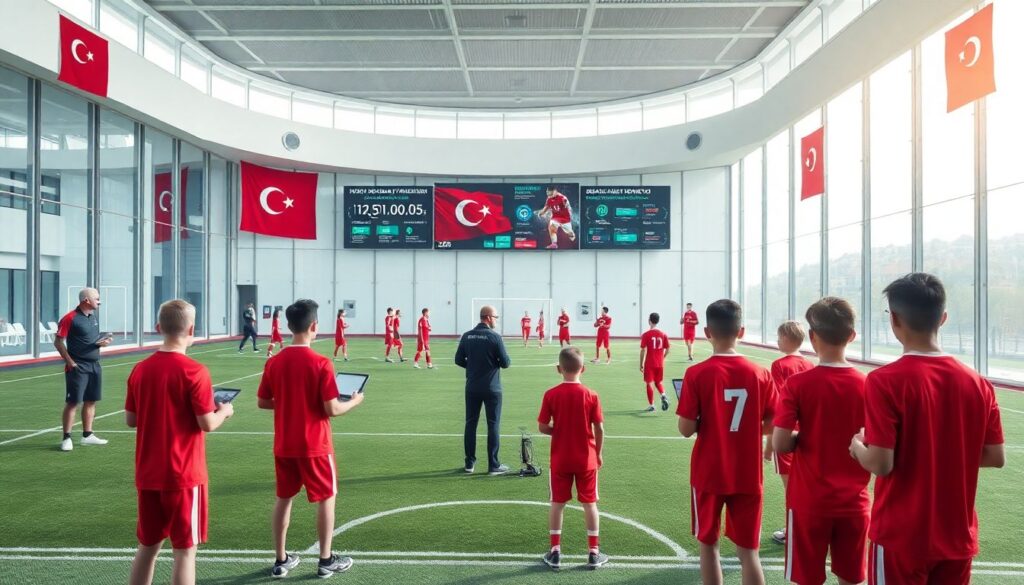
In 2026, talking about a “modern” Turkish academy without talking about injury prevention is like talking about a car without brakes. Turkish youth academies are finally realizing that keeping kids healthy is not just about avoiding bad luck; it’s about system, data and daily habits. That’s why you now hear phrases like turkish youth football academy injury prevention programs in almost every serious club presentation. The mindset has shifted from “run until you drop” to “train smart, recover smarter,” and this shift is quietly adding years to careers before they even start.
From Old‑School to Data‑Driven: What’s Actually Changed?
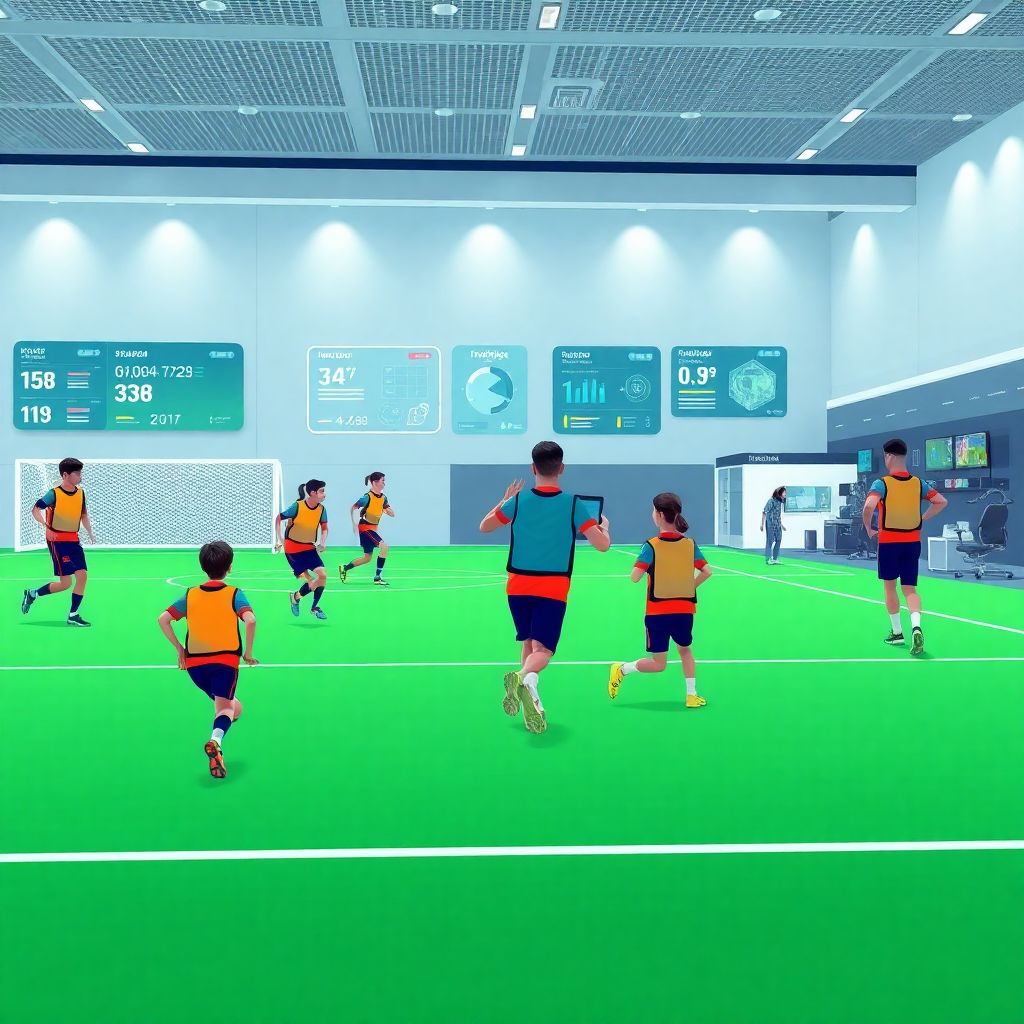
Ten years ago the standard load check was a coach asking, “Are you tired?” and a 14‑year‑old saying “No, coach” even if his hamstrings were on fire. Now, sports science support for youth academies in turkey is becoming normal, not exotic. GPS vests track sprint counts and accelerations, force plates test asymmetries, and simple wellness apps record sleep and soreness. Instead of one generic session for 25 boys, training loads are adjusted by position, maturity status and recent match minutes. The result: fewer muscle strains, less chronic knee pain and more high‑quality touches at every practice.
Inspiring Examples from Turkish Youth Academies
Take a large Istanbul club that revamped its U13–U17 program in 2023. They started each week with short screening blocks: mobility checks, hop tests, Nordic strength scores. Within two seasons, soft‑tissue injuries dropped by almost 40%, and three academy graduates reached the Super Lig without missing a single month due to muscle tears. Another regional academy in Izmir partnered with a university lab: they used motion‑capture analysis to tweak running and landing mechanics, slashing ankle sprains. These stories travel fast, and young players are beginning to see gym work and monitoring not as punishment, but as their personal “armor” for a long career.
What “Best Practice” Injury Prevention Looks Like in 2026
When people talk about the best injury prevention training for young soccer players in turkey, they’re not talking about magic gadgets; they mean structured basics done consistently. That includes strength sessions two to three times per week, neuromuscular warm‑ups with single‑leg balance and landing work, sprint mechanics, and progressive small‑sided games instead of chaotic overloading. The big upgrade in 2026 is individualization: growth‑spurt monitoring, maturity‑based grouping and AI‑assisted load dashboards. The tech is cool, but what really protects kids is boring consistency and coaches who respect “red flags” instead of ignoring them.
The New Role of Strength & Conditioning in Youth Football
For a long time, parents panicked at the word “weights.” Now, a good strength and conditioning coach for youth football academies turkey is one of the most valuable people in the building. Modern S&C coaches don’t chase bodybuilding; they build durable movers: strong hamstrings and glutes for sprinting, robust ankles and hips for change of direction, and stable cores for deceleration. They also coordinate with technical coaches so heavy gym days don’t collide with intense small‑sided games. The payoff is clear: faster players with better posture, cleaner mechanics and far less overuse pain by the time they hit U19.
Sports Physiotherapy, Rehab and the “Return‑to‑Play” Revolution

In the past, an injured academy player often disappeared for weeks, reappearing just in time to get hurt again. Now, sports physiotherapy and rehab services for youth academies turkey are moving toward continuous integration. Physios sit in on coaching meetings, share simple screening data and design graded return‑to‑play plans. After an ankle sprain, for instance, a player might go from pool work to controlled change‑of‑direction drills and only then to full training. Rehab is no longer “rest until it stops hurting,” but a progressive, monitored process that builds confidence as well as tissue capacity.
Practical Recommendations for Players, Parents and Coaches
If you’re part of this ecosystem, you don’t need a full lab to start doing better. Focus on controllable basics and layer in science as resources allow. To keep it simple, think in three directions: how you move, how much you load, and how well you recover. Every session should have a purpose; every week should balance stress and rest. And remember: the best programs in the world fail if the culture still glorifies “playing through pain” and ignores early warning signs like persistent soreness, mood changes or dips in performance.
Five Simple Habits That Make a Huge Difference
1. Use a structured warm‑up (like FIFA 11+ style) before every pitch session.
2. Include hamstring, calf and hip strength work two to three times per week.
3. Track basic training load: minutes, RPE (1–10), and sleep hours.
4. Normalize honest reporting of pain or fatigue; never punish it.
5. Educate parents about growth spurts and why temporary load reduction is normal.
These small, repeatable behaviors might not look “high‑tech,” but they lay the foundation for any advanced monitoring or AI system you might adopt later.
Successful Projects: What’s Working on the Ground
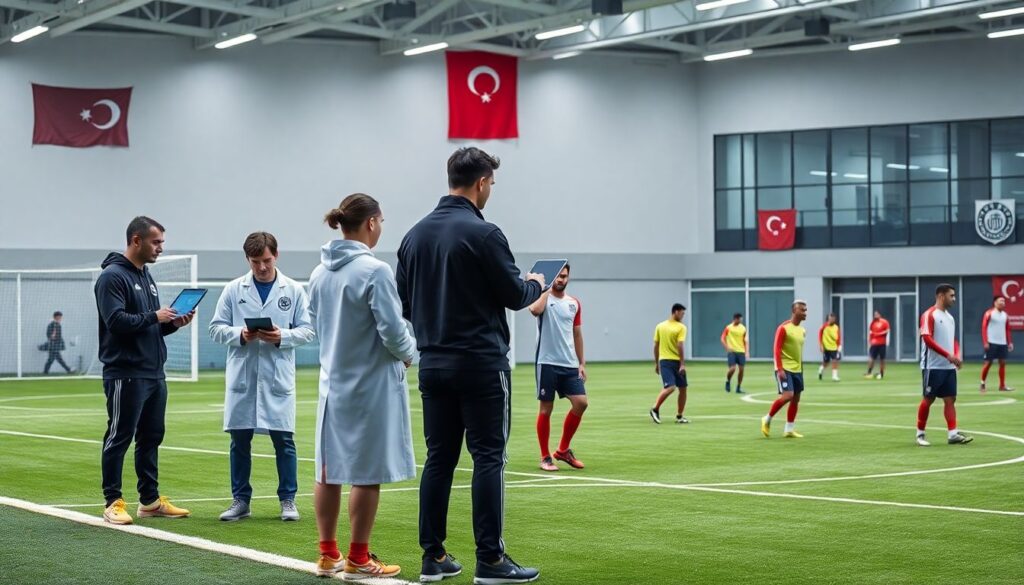
Some of the most impressive Turkish projects blend club culture, university brains and federation support. One Anatolian academy built a joint program with a local sports science faculty: graduate students handle testing and data analysis, coaches apply the insights on the pitch, and players get individualized reports twice a year. Another nationwide pilot funded shared access to GPS units and online dashboards for smaller clubs. Even with modest tech, injuries went down because coaches finally had objective data to justify lighter sessions before key tournaments instead of running players into the ground.
Resources and Learning Paths for 2026 and Beyond
If you want to dive deeper, you’re spoiled for choice. Online courses in English and Turkish cover youth load management, female athlete health, and ACL prevention. Several universities now run short certification modules on sports science support for youth academies in turkey, blending theory with field practice. Coaches can follow open webinars from UEFA and FIFA, while physios access research summaries and case studies tailored to football. The smartest academies set up internal “learning clubs” where staff review one paper a month and discuss how to adapt the findings to local realities and budgets.
The Big Picture: Protecting Dreams, Not Just Knees
Ultimately, injury prevention isn’t just about keeping MRI scans clean; it’s about protecting childhood dreams in a demanding environment. When turkish youth football academy injury prevention programs are done well, kids don’t spend their golden development years on the treatment table, and they’re less likely to burn out mentally. The science will keep evolving—better sensors, smarter AI, more precise rehab—but the core message will stay the same: respect the body, respect the data, and build a culture where long‑term development beats short‑term glory every single time.
Комментарии